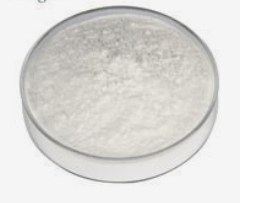
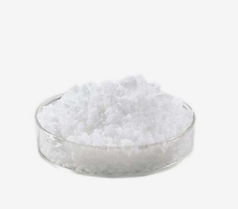
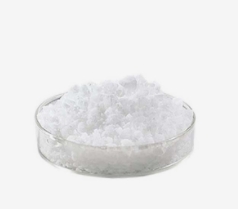
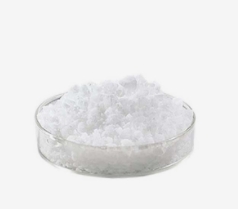
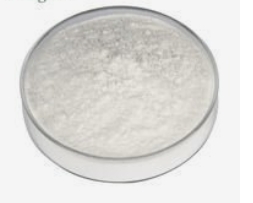
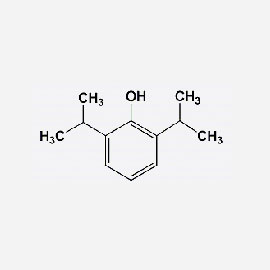
Rapamycin (RAPA) is a novel macrolide immunosuppressant. It is a white solid crystal with a melting point of 183-185 ° C. It is lipophilic and soluble in organic solvents such as methanol, ethanol, acetone and chloroform. Soluble in water, almost insoluble in ether.
Regulatory Status: DMF Certificate
It complies with In-house Standard.
*The following content is generated by AI and is for reference only.
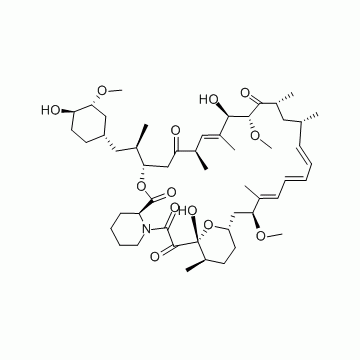
Sirolimus, also known as rapamycin, is a potent macrolide immunosuppressant and antineoplastic agent derived from the bacterium *Streptomyces hygroscopicus*. Its molecular formula is C51H79NO13, and it carries the CAS registry number 53123-88-9. Structurally, Sirolimus belongs to the class of macrocyclic lactones, characterized by a complex ring structure that facilitates specific biological interactions. The primary mechanism of action involves the inhibition of the mechanistic target of rapamycin (mTOR), a serine/threonine kinase crucial for cell cycle progression, proliferation, and survival. By binding to the intracellular protein FKBP12, the resulting complex blocks mTORC1 signaling, thereby preventing T-cell activation and proliferation in response to antigens and cytokines.
Clinically, Sirolimus is widely utilized in organ transplantation to prevent acute rejection in kidney transplant recipients. It is often administered orally in tablet or liquid form and can be used as part of a combination therapy with other immunosuppressants like cyclosporine or mycophenolate mofetil. Beyond transplantation, Sirolimus has gained significant attention in cardiology through its application in drug-eluting stents. These stents release low doses of Sirolimus locally to inhibit neointimal hyperplasia, effectively reducing the risk of restenosis following percutaneous coronary intervention. Furthermore, research continues into its potential for treating various lymphangioleiomyomatosis (LAM) cases and certain rare genetic disorders involving mTOR pathway dysregulation.
Despite its therapeutic efficacy, Sirolimus usage requires careful monitoring due to potential side effects such as hyperlipidemia, thrombocytopenia, leukopenia, and increased susceptibility to infections. Patients must avoid grapefruit juice, which can alter drug metabolism, and adhere strictly to dosing schedules to maintain therapeutic blood levels. As a cornerstone in modern immunomodulatory therapy, Sirolimus remains essential for improving long-term graft survival and managing complex cardiovascular conditions, representing a critical advancement in pharmacological intervention strategies.





 (All Rights Reserved)
![6-broMo-2-chloro-8-cyclopentyl-5-Methylpyrido[2,3-d]pyriMidin-7(8H)-one](https://eimg.pharmasources.com/image/20250617/4zoOybJjzUTk0UgguabMkX7VnrDIlxHluERwqkjK.jpg)