Product Description
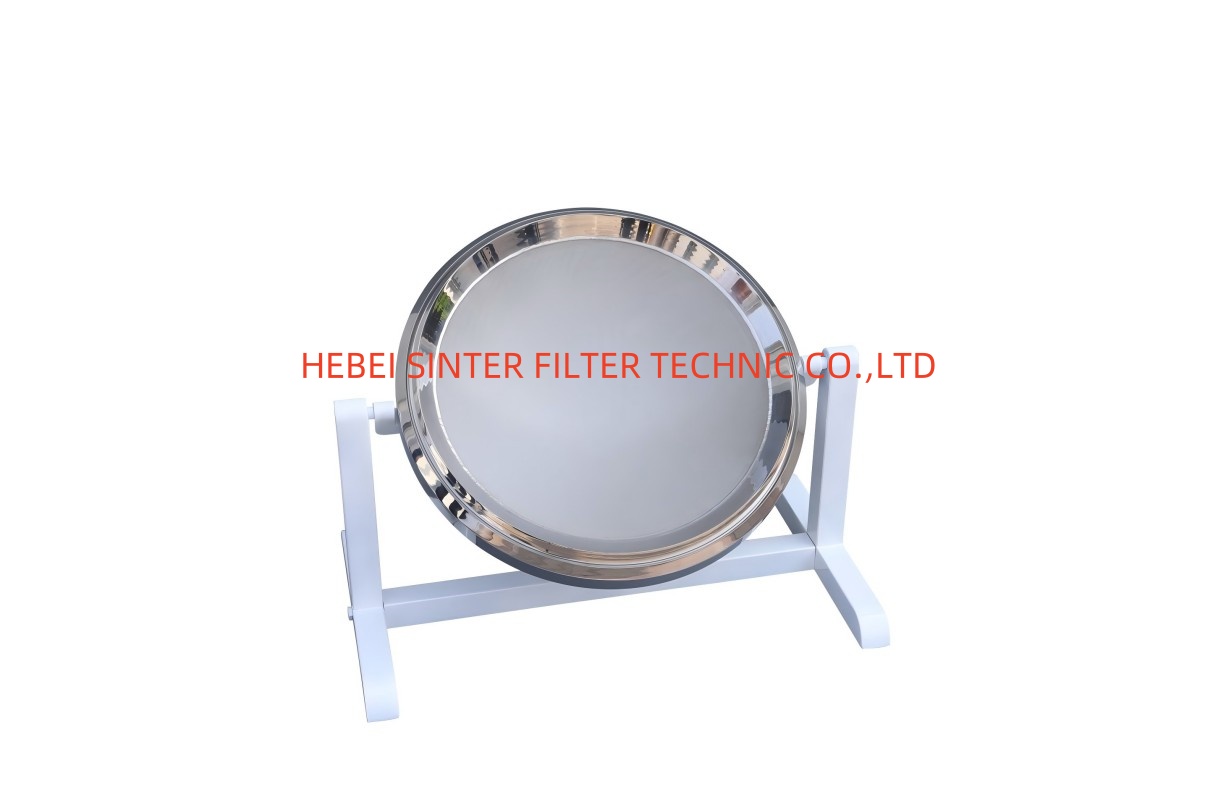
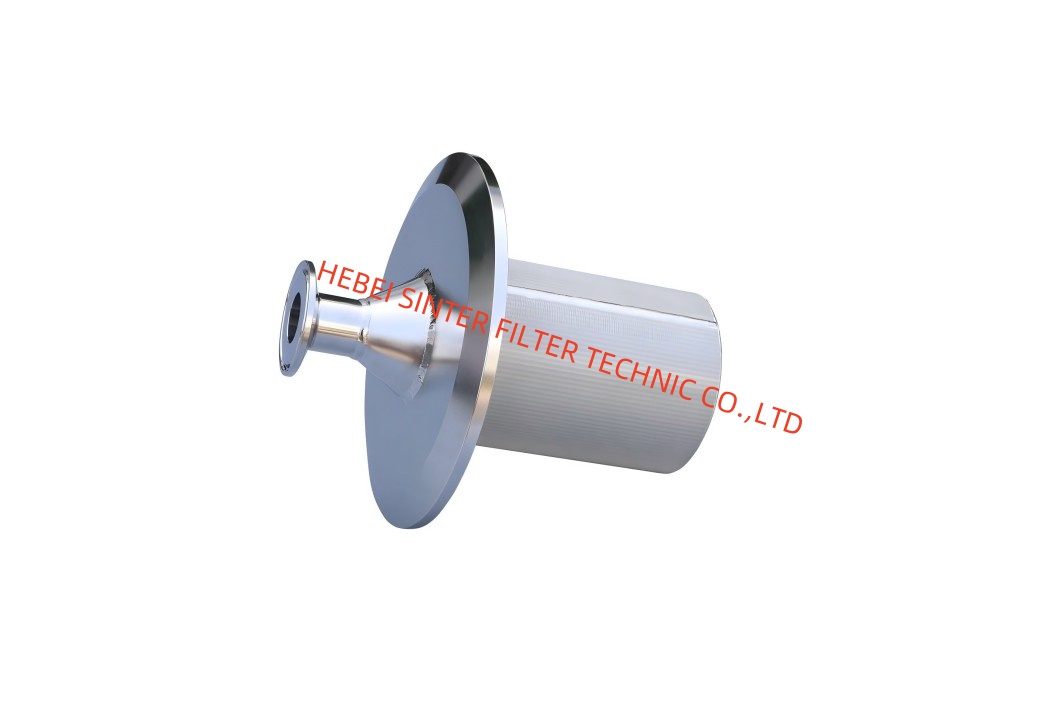
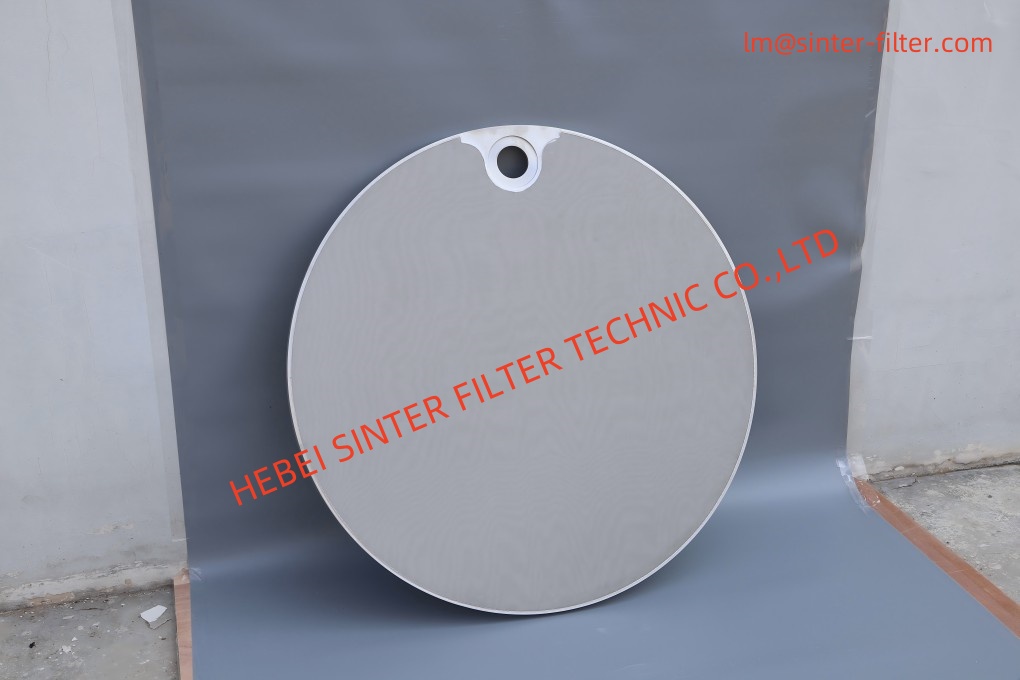
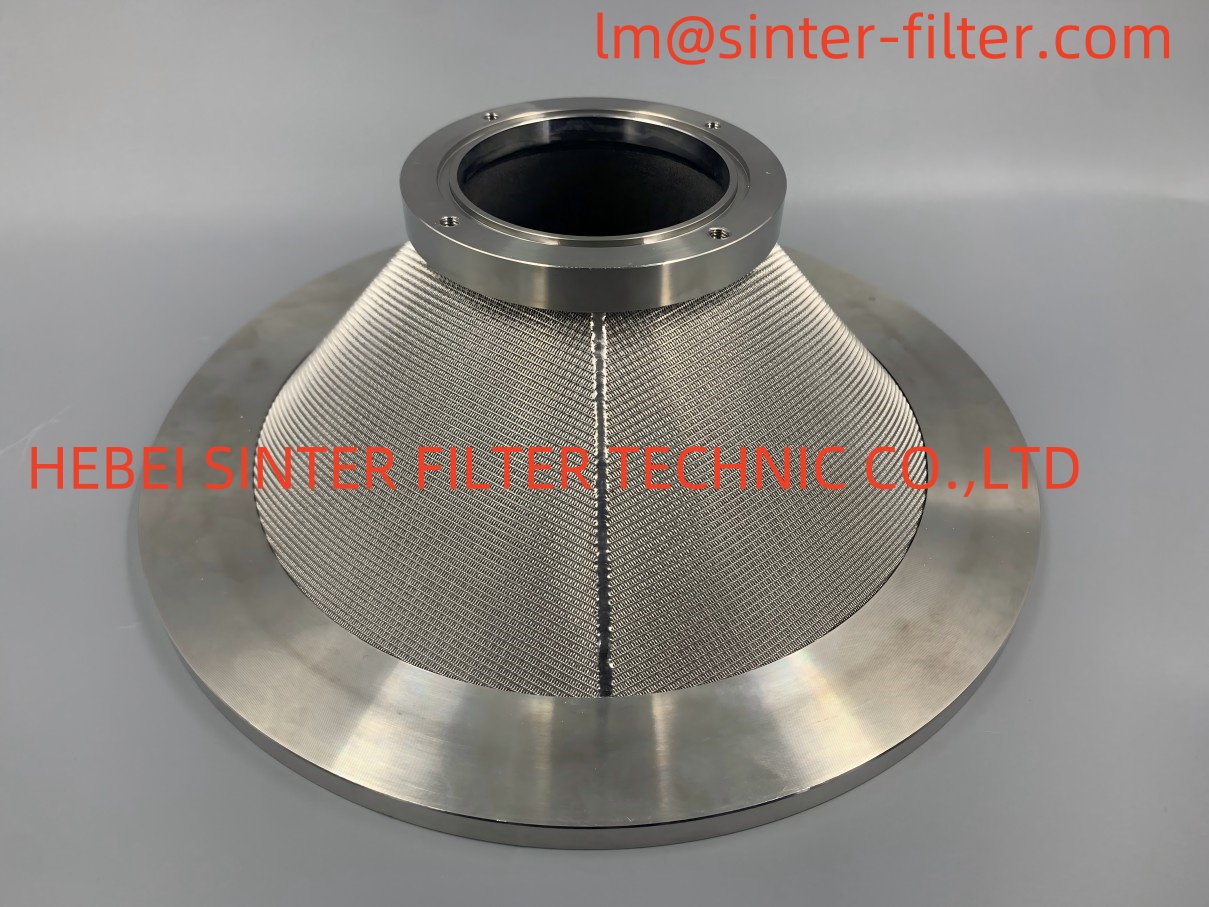
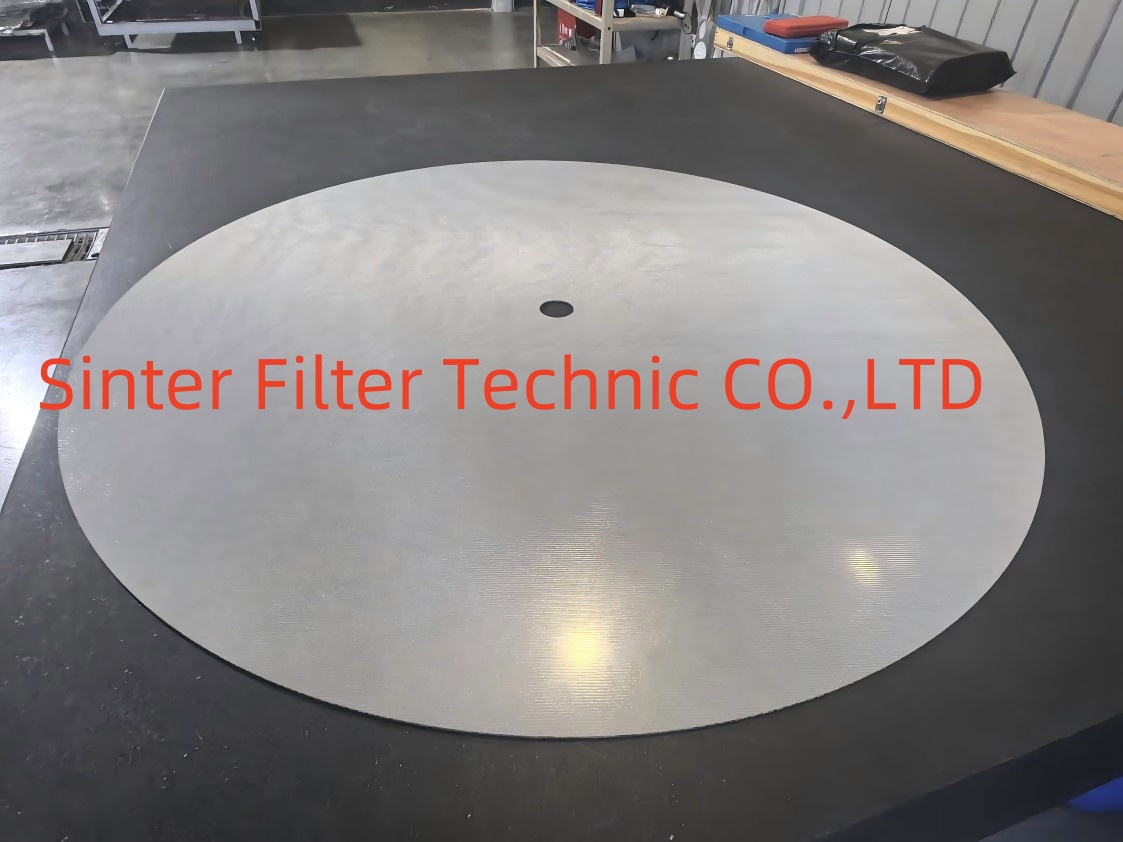
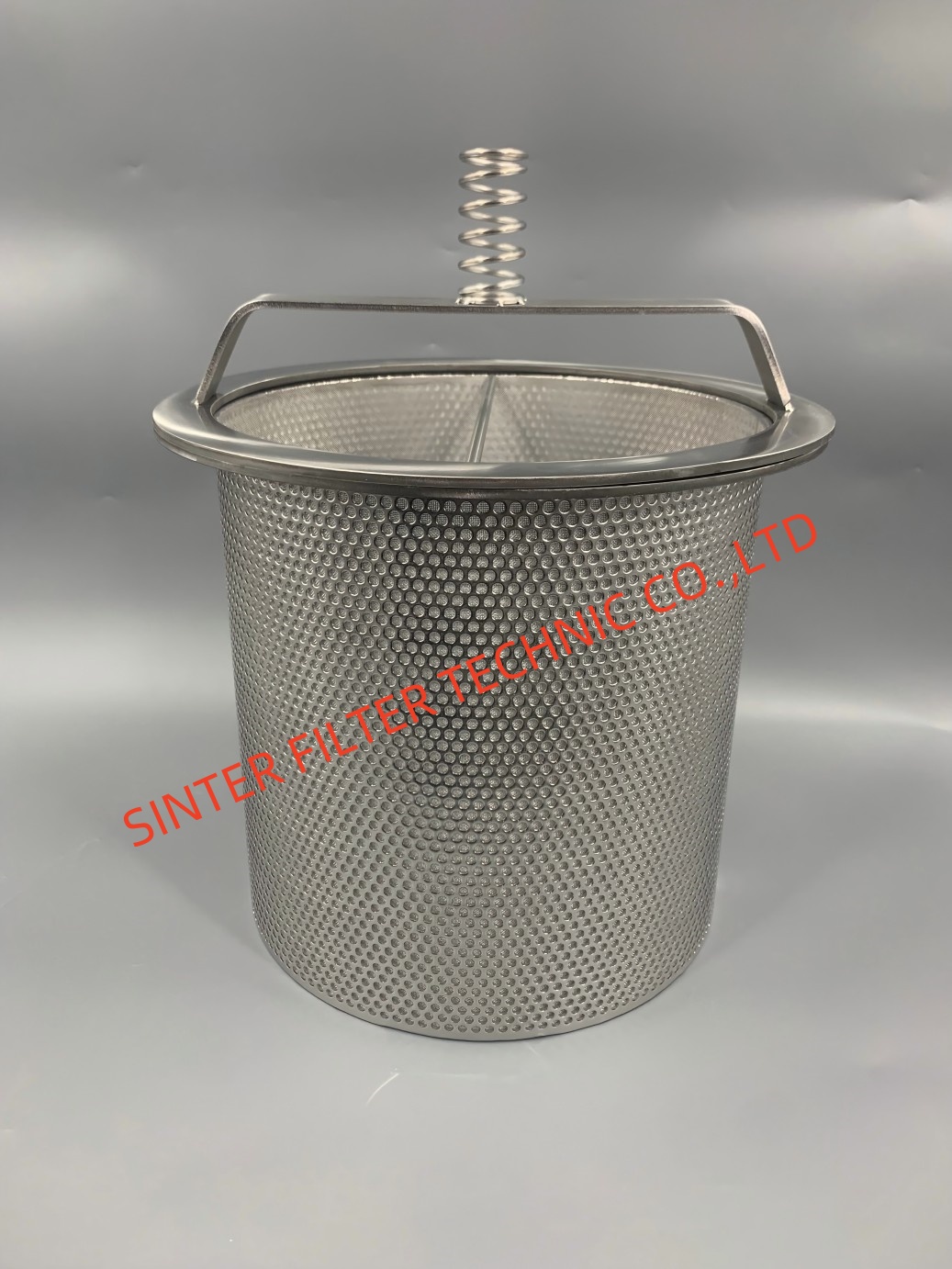
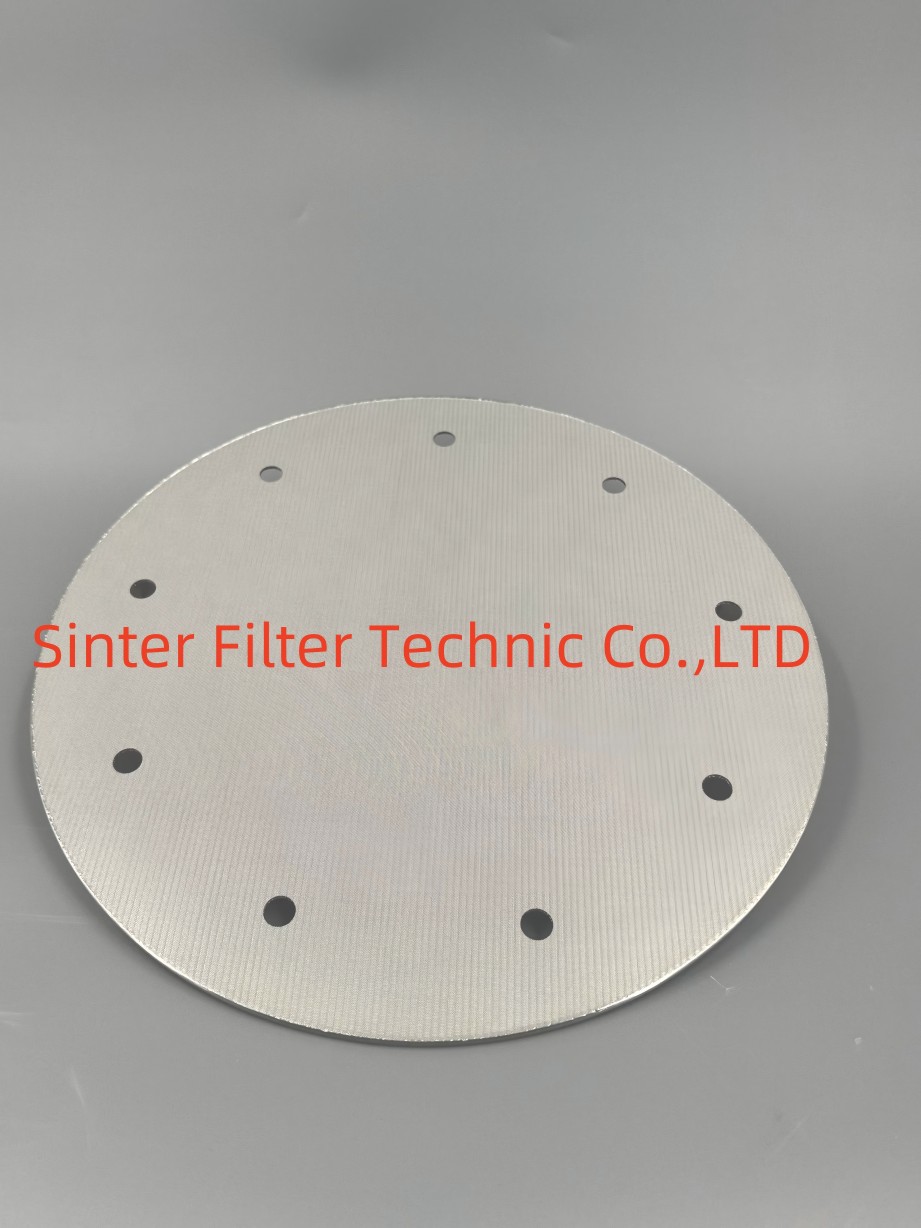
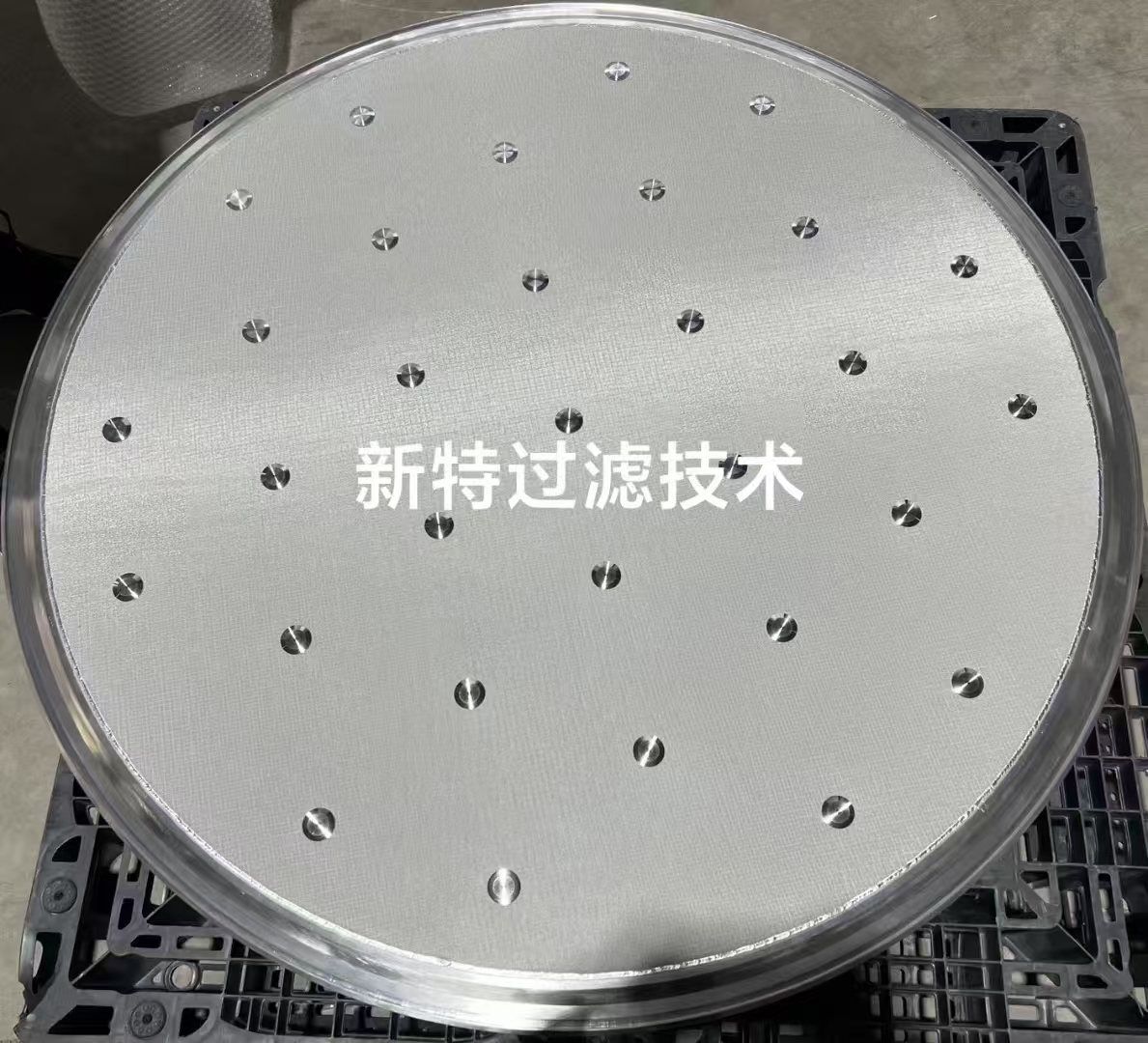
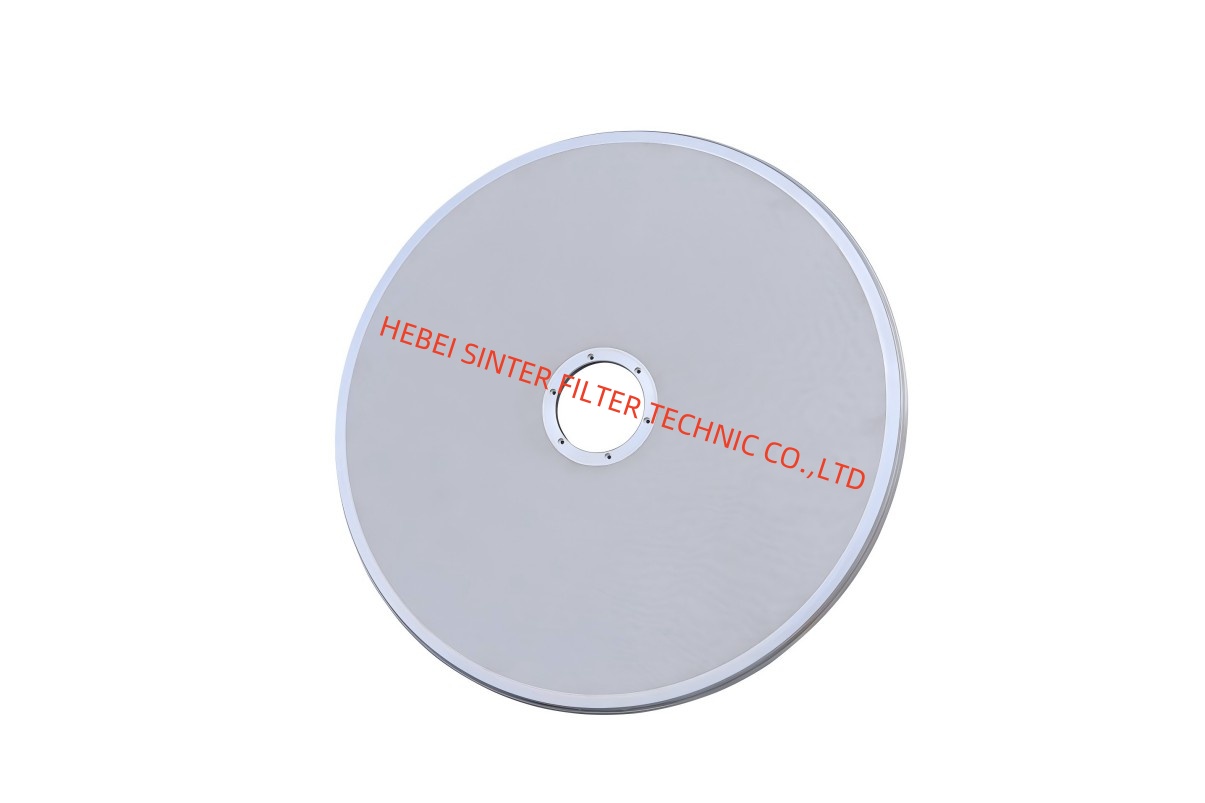
Disc filters are extensively utilized in drying,filtration, separation and purification procedures of chemical,pharmaceutical and bio-pharmaceutical industries. Custom-sized separated and integral disc filters can be manufactured to meet specific requirements.The material can be made in SS316L,SS904L and Hastelloy.
AI Product Description
*The following content is generated by AI and is for reference only.
Sintered mesh discs for filter dryers are specialized filtration components widely utilized across the chemical, pharmaceutical, food processing, and petrochemical industries. Constructed from high-grade metal powders such as stainless steel, titanium, or nickel through a precise sintering process, these discs form a porous, rigid structure capable of withstanding extreme operational conditions. Their primary function is to separate solid particles from liquids or gases while maintaining structural integrity under high pressure and temperature differentials. In filter dryer systems, they serve as the critical barrier that retains catalysts, precipitates, or fine powders during the washing and drying cycles, ensuring product purity and process efficiency.
These discs offer superior thermal stability and corrosion resistance compared to woven fabrics or paper filters, making them ideal for aggressive chemical environments and high-temperature sterilization processes. The uniform pore distribution allows for consistent flow rates and effective cake discharge, minimizing downtime associated with cleaning or replacement. Furthermore, their robust design supports repeated backwashing and regeneration, significantly extending service life and reducing long-term operational costs.
When deploying sintered mesh discs, several precautions must be observed to ensure optimal performance. First, proper sizing and installation are vital; any misalignment can lead to bypass flow, compromising filtration quality. Operators should strictly adhere to maximum pressure drop limits specified by the manufacturer to prevent mechanical deformation or rupture. Regular inspection for blinding or clogging is essential, as accumulated deposits can drastically reduce permeability. Cleaning procedures must utilize compatible solvents or methods that do not damage the sintered matrix. Additionally, sudden thermal shocks should be avoided to prevent cracking due to differential expansion. Proper handling during maintenance prevents physical damage to the delicate mesh structure. By following these guidelines, industrial facilities can maximize the reliability and lifespan of their filtration systems, ensuring continuous, safe, and efficient production cycles in demanding applications.




 (All Rights Reserved)