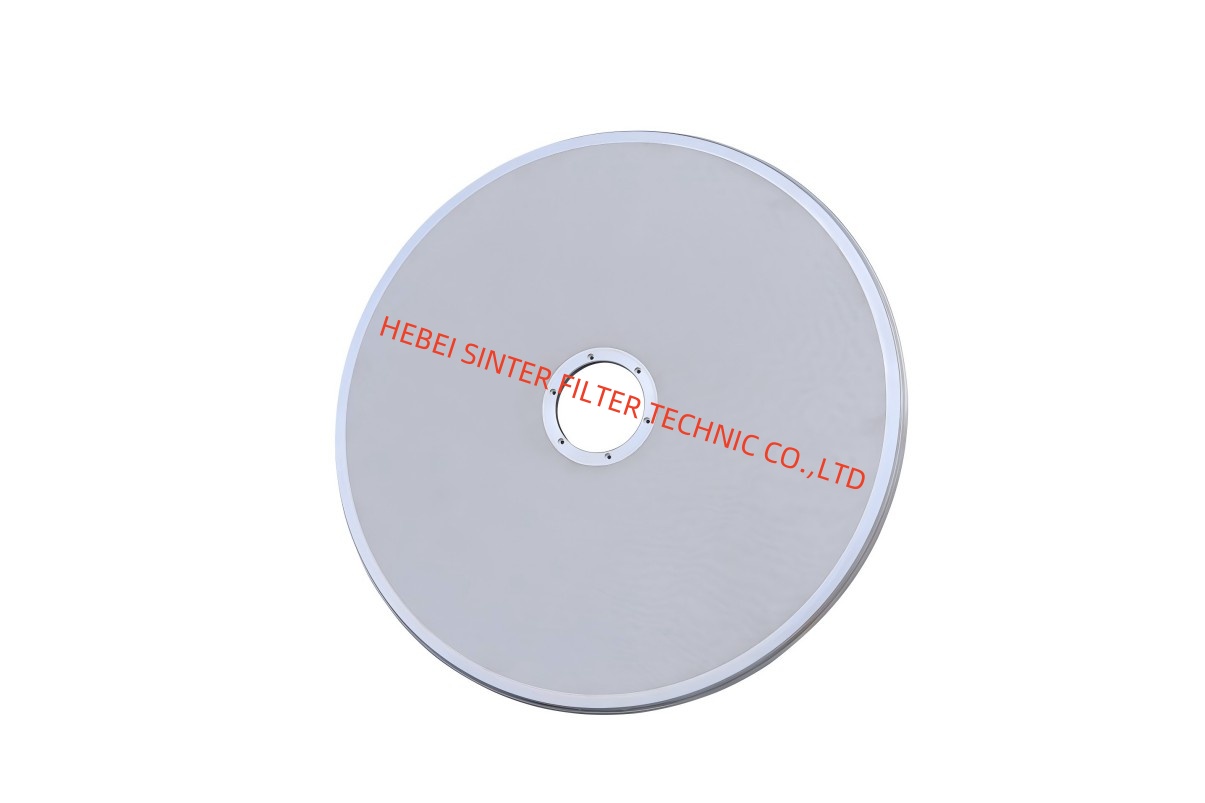
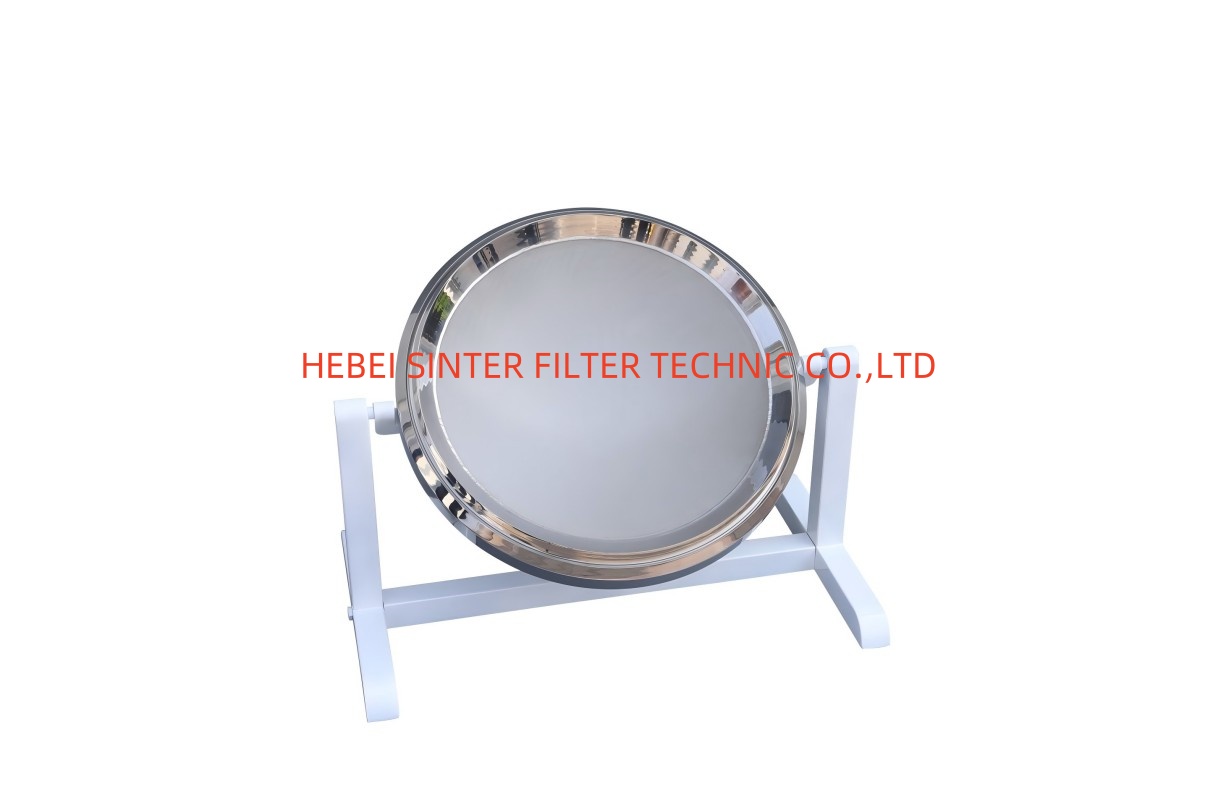
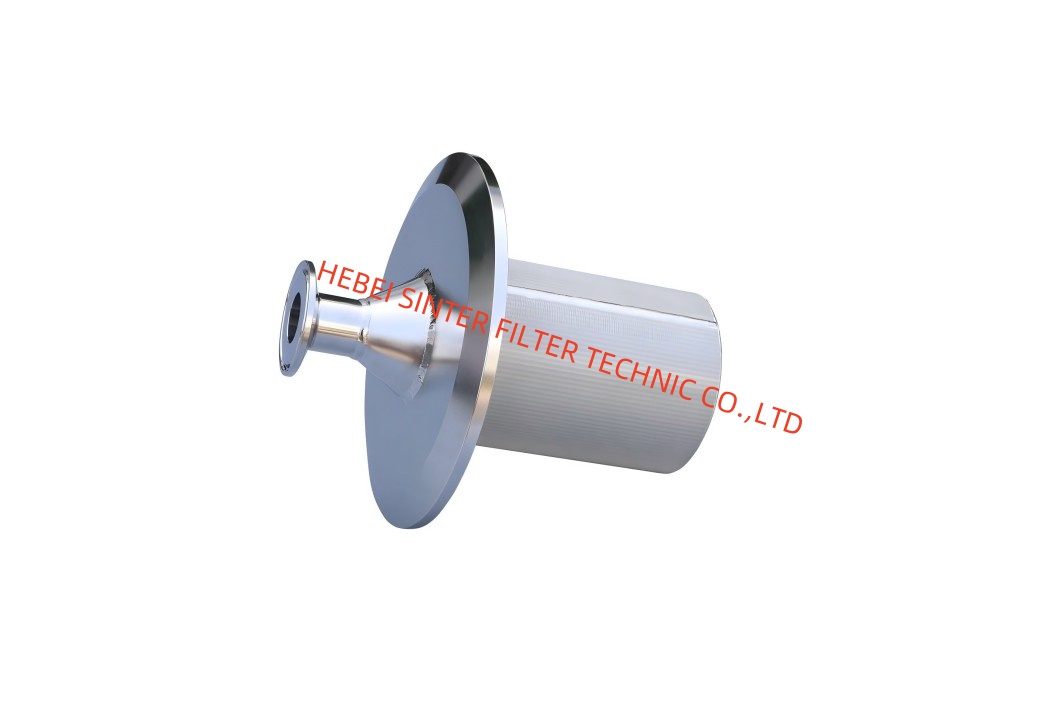
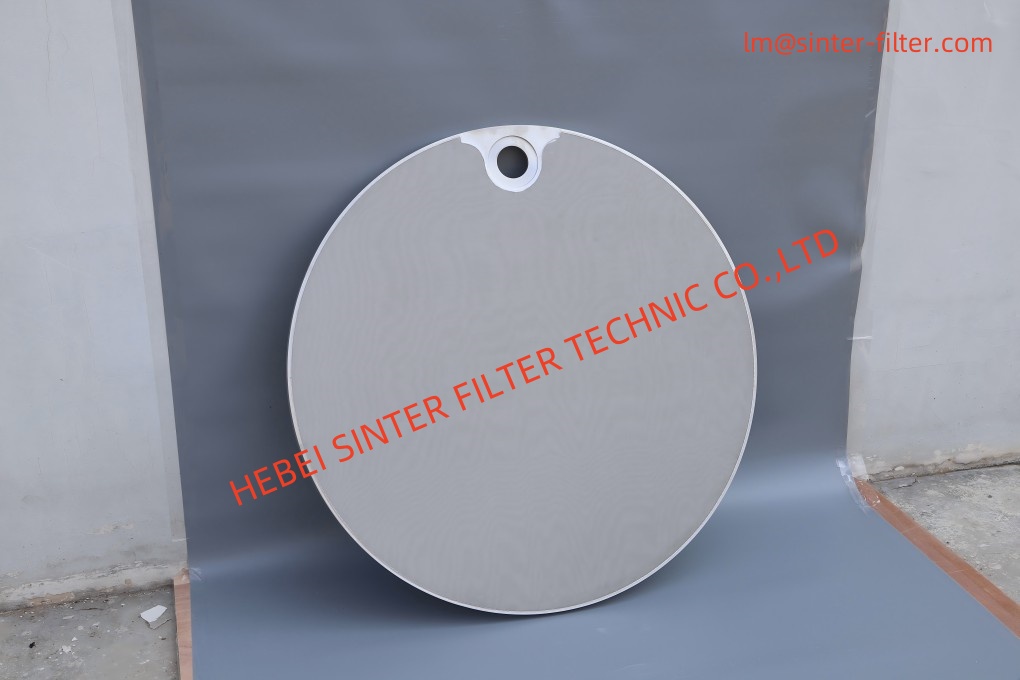
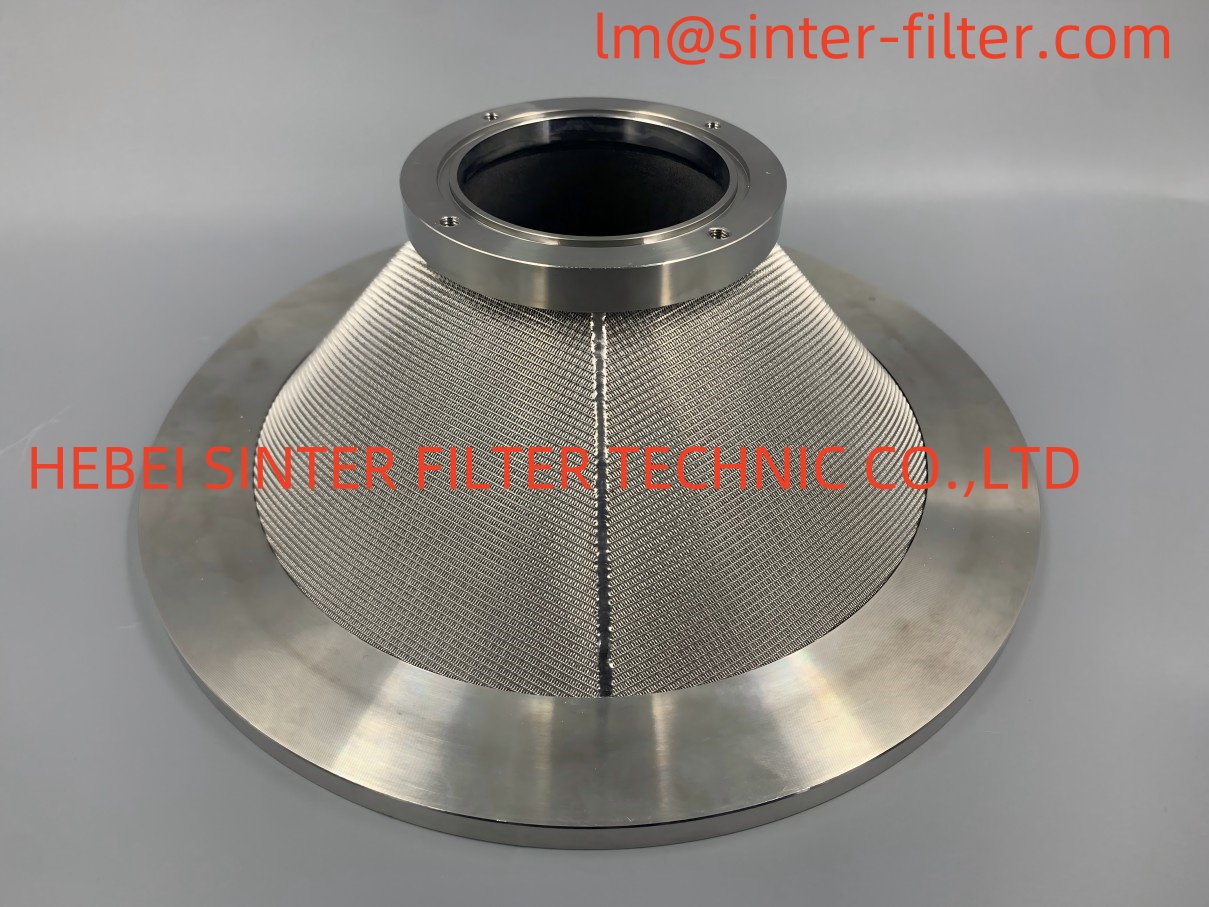
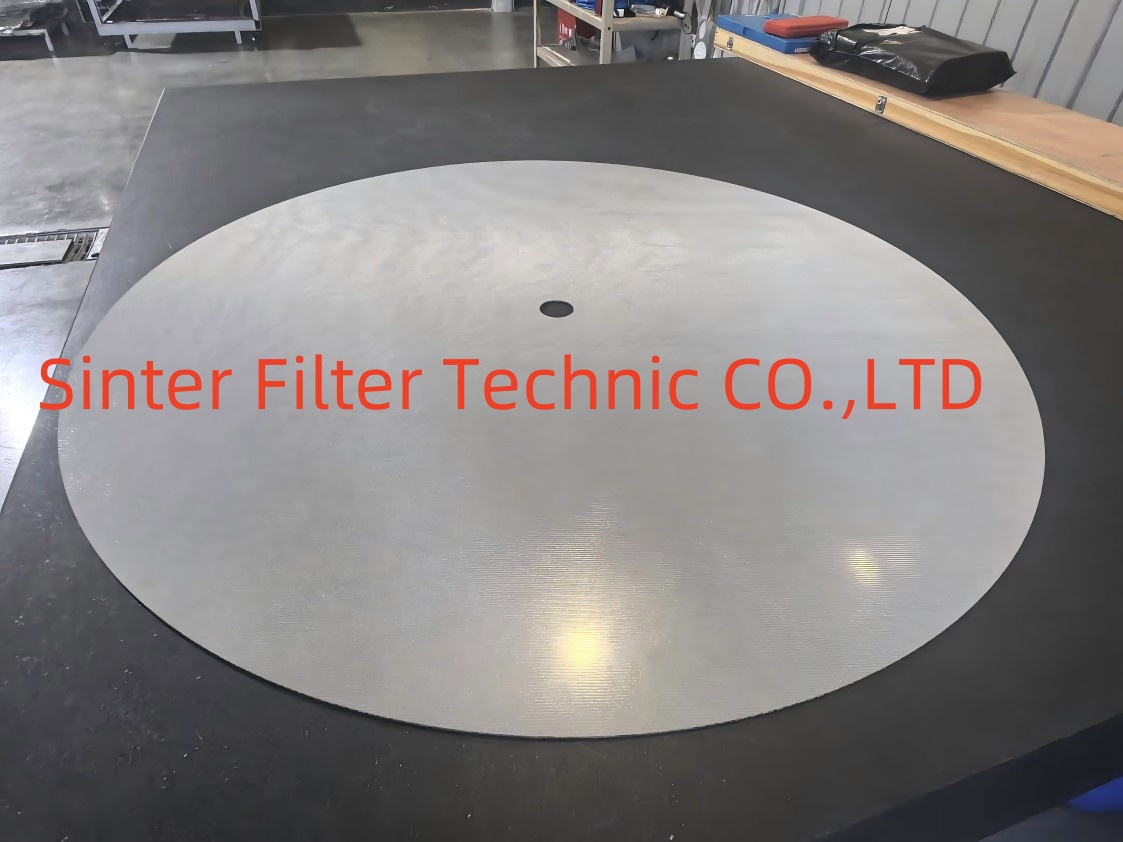
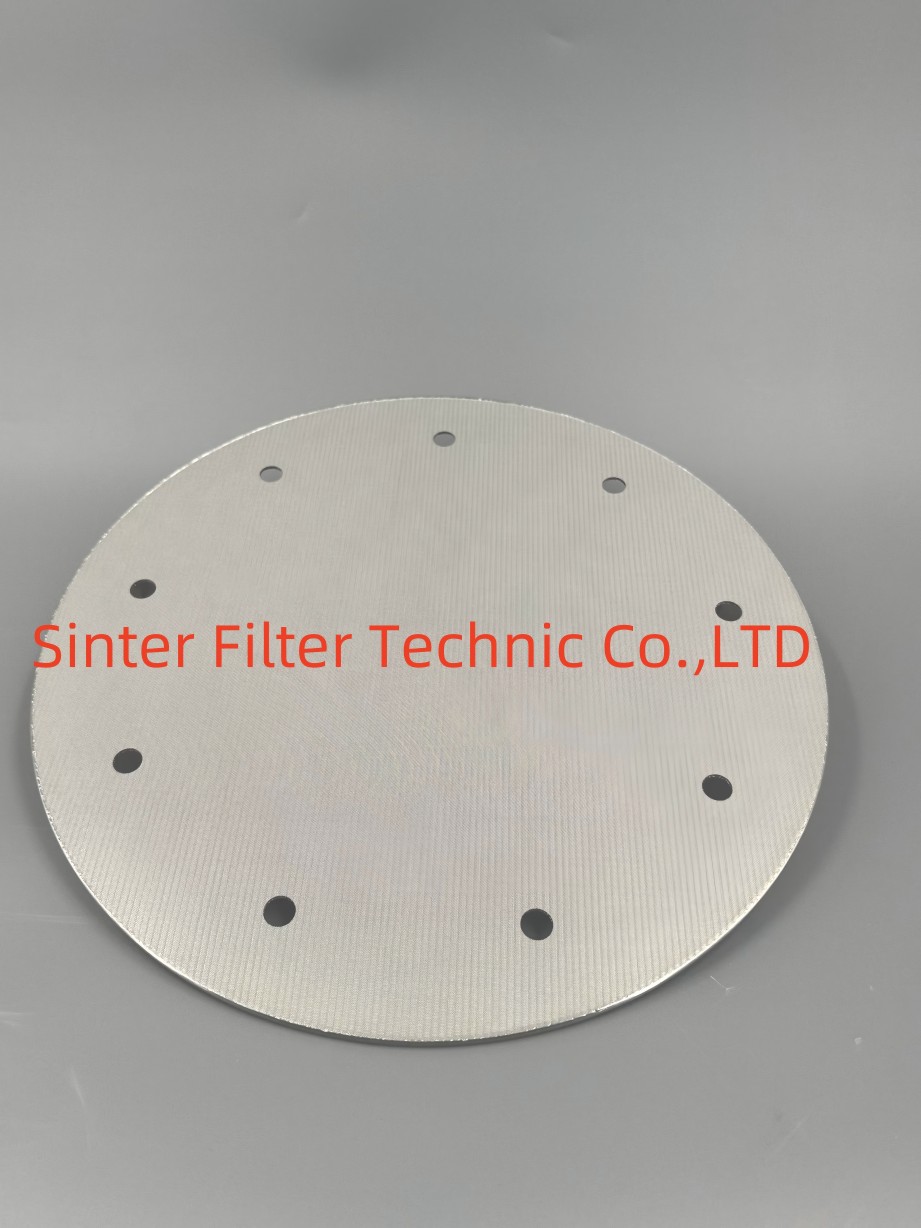
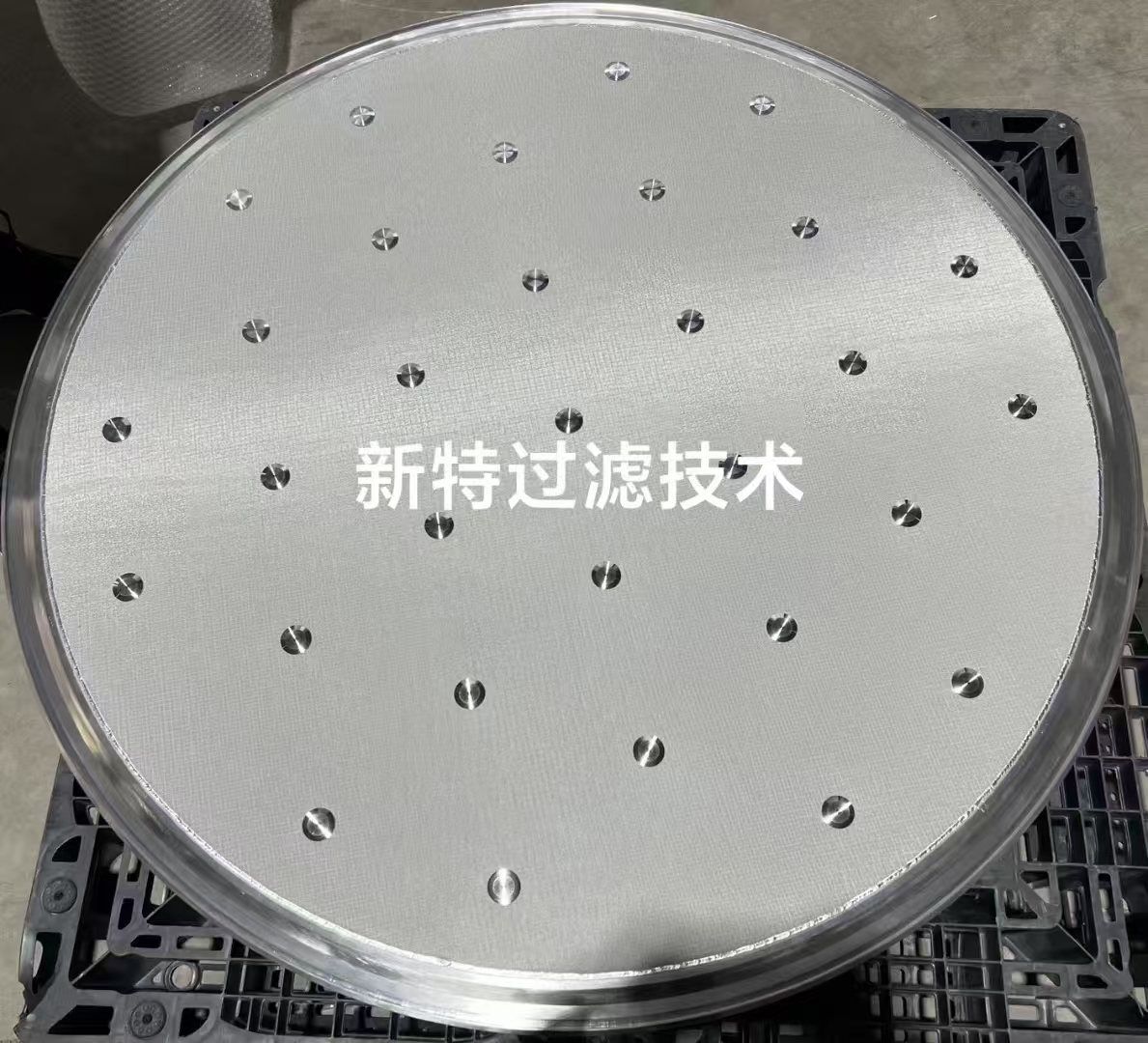
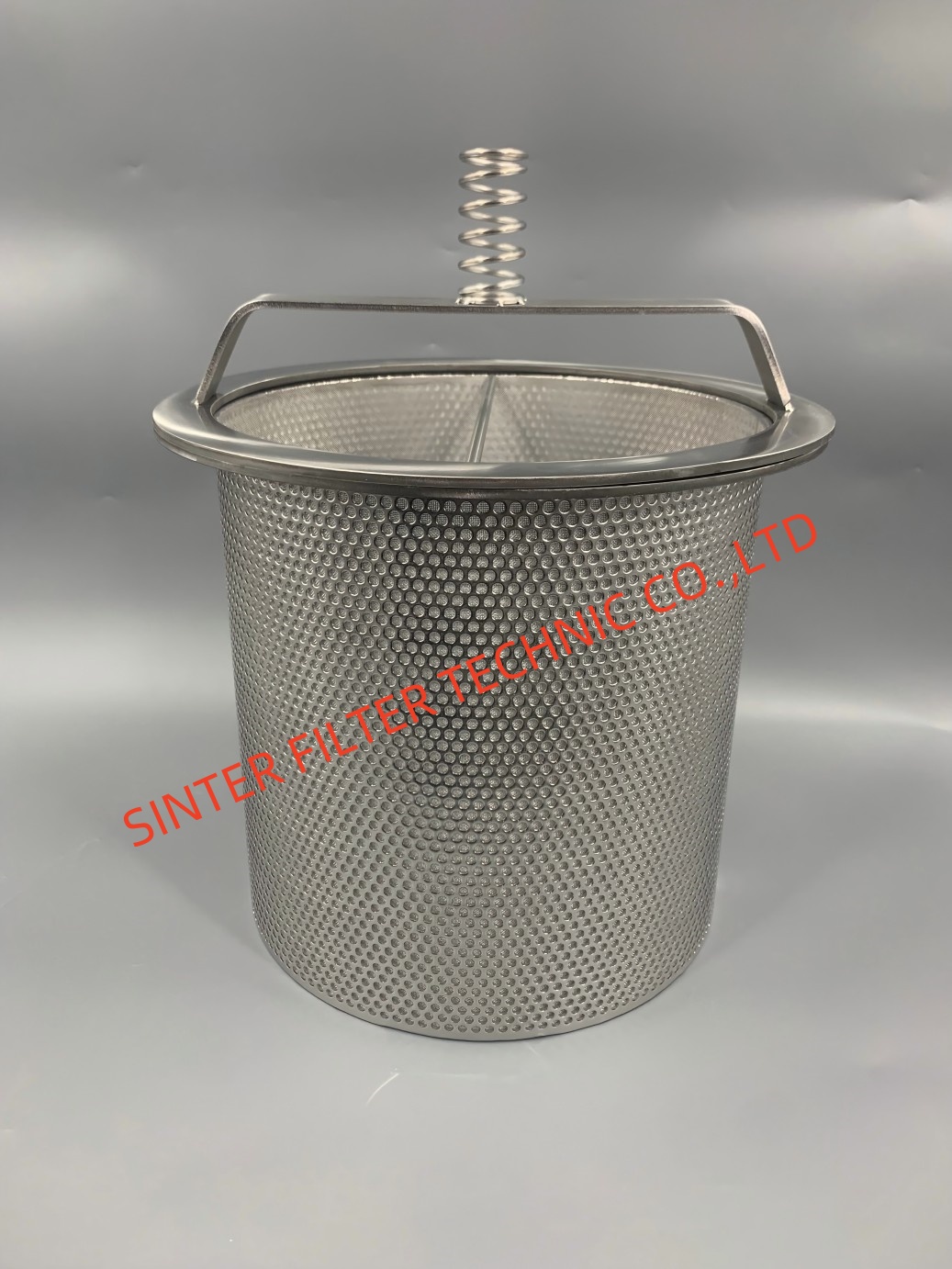
The type of filter basekts are created by bonding several layers of woven mesh with a single layer of perforated plate.Due to the support of perforated plate, the sintered mesh has higher resistance to pressure and mechanical strength.This type of material is widely applied in various applications,such as pharmaceutical,chemical,oil wells exploitation,waste water treatment,ballast water treatment and food&beverage industries.
*The following content is generated by AI and is for reference only.
The product in question is a specialized filtration component widely utilized across industrial, commercial, and residential water treatment systems. Its primary function is to serve as a structural support for filter media, ensuring efficient separation of suspended solids, sediments, and particulate matter from liquid streams. By maintaining the integrity of the filtration bed, this device prevents media loss while facilitating uniform flow distribution, which significantly enhances overall system efficiency and extends the lifespan of downstream equipment.
In diverse applications ranging from municipal water purification and wastewater management to food and beverage processing, this unit plays a critical role in maintaining fluid clarity and safety. It is commonly integrated into pressure vessels where it supports granular materials like sand, activated carbon, or anthracite. The design typically features a robust construction capable of withstanding high differential pressures and corrosive environments, making it suitable for both hot and cold water applications.
When operating this component, several precautions must be observed to ensure optimal performance and safety. First, regular inspection is essential to detect any signs of physical damage, such as cracks or deformation, which could compromise filtration efficiency. Second, proper installation procedures should be strictly followed to avoid misalignment that might lead to bypassing or uneven flow. Third, during maintenance cycles, the unit must be thoroughly cleaned according to manufacturer guidelines to prevent biofilm buildup or clogging. Additionally, operators should monitor pressure differentials closely; a sudden increase may indicate blockage requiring immediate attention. Finally, compatibility checks with specific chemical agents used in the process are necessary to prevent material degradation over time. Adhering to these operational protocols ensures reliable service, minimizes downtime, and guarantees consistent water quality standards across various sectors relying on advanced filtration technology.



 (All Rights Reserved)