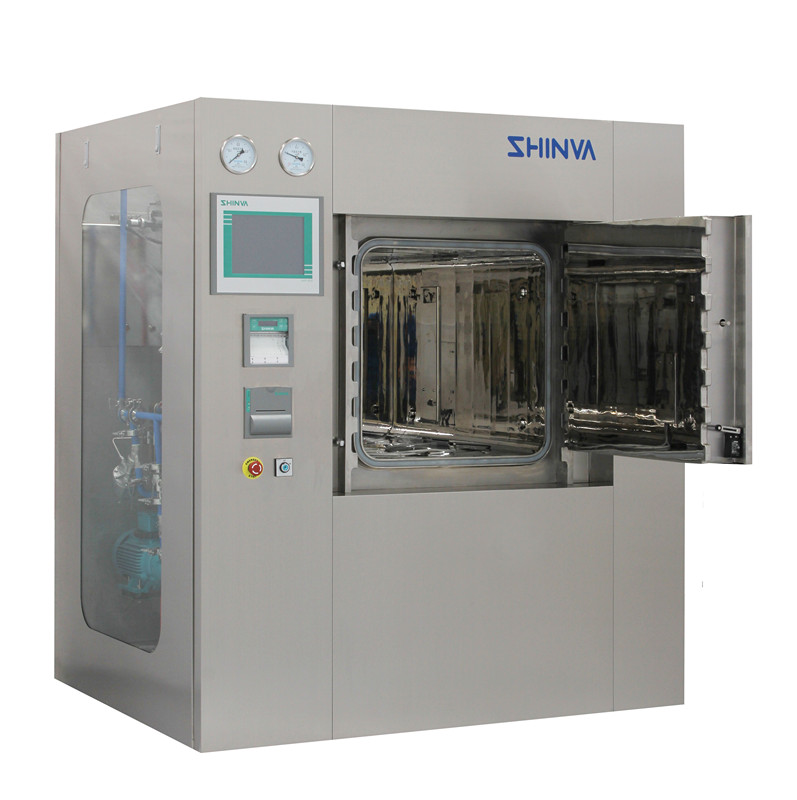
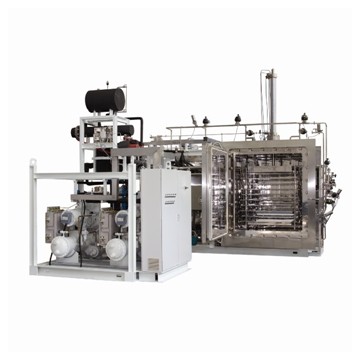
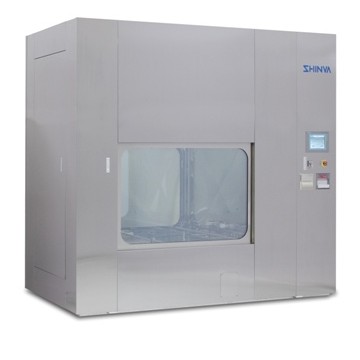
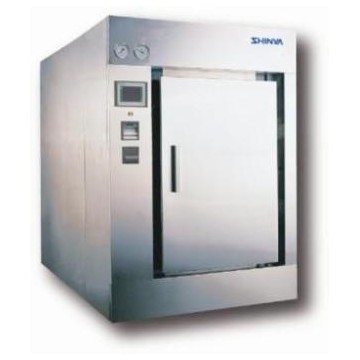
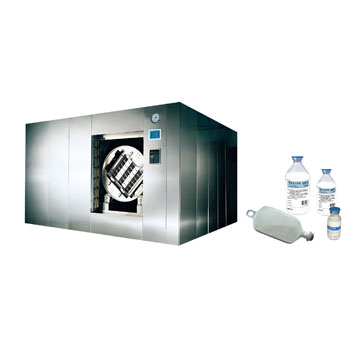
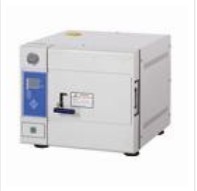
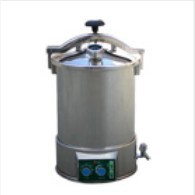
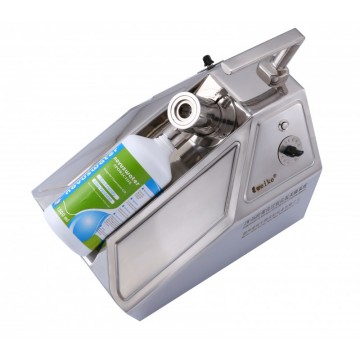
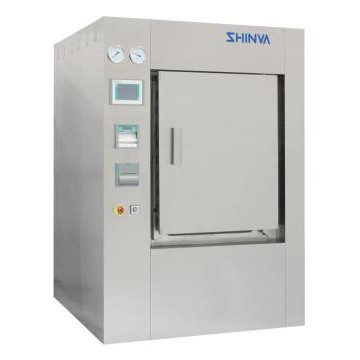
D Series Steam Sterilizer is a top grade sterilizing device in full accordance with GMP regulations of the newest version. It is widely used for sterilization of biological products, vessels, sterile gown, medical instruments and dressing, which require high sterilization effect in areas of biology engineering, medical hygiene, animal laboratory and pharmaceutical industry,Meanwhile provides the documents system that meets 2010 version GMP requirements.
*The following content is generated by AI and is for reference only.
The device described is a high-performance steam sterilizer designed for the reliable decontamination of medical instruments, laboratory glassware, and other heat-stable materials. Utilizing saturated steam under pressure, this equipment effectively eliminates bacteria, viruses, fungi, and spores, ensuring compliance with stringent international safety standards for healthcare and research environments. Its primary function is to provide a sterile field for surgical procedures, diagnostic testing, and pharmaceutical manufacturing, thereby preventing cross-contamination and protecting patient safety.
Key operational features typically include precise temperature and pressure control systems, automated cycle selection for various load types, and advanced data logging capabilities for traceability. The unit often incorporates safety mechanisms such as door interlocks, over-temperature protection, and low-water level alarms to prevent damage to the chamber or the items being processed. A robust stainless steel interior ensures durability and resistance to corrosion, while an ergonomic interface simplifies user operation and maintenance.
Critical precautions must be observed during use to guarantee efficacy and operator safety. Users should strictly adhere to manufacturer guidelines regarding load configuration, ensuring that items are properly wrapped and arranged to allow adequate steam penetration. It is essential to verify that all materials being sterilized are compatible with moist heat; plastics or sensitive electronics may melt or degrade. Regular maintenance, including water quality checks, seal inspections, and biological indicator testing, is mandatory to validate cycle performance. Operators must wear appropriate personal protective equipment when handling hot loads to avoid thermal burns. Furthermore, the exhaust steam must be directed safely away from personnel to prevent scalding. Proper training is required before operating the system, and any deviations from standard protocols should be immediately reported to ensure continuous reliability and sterility assurance.




 (All Rights Reserved)