Category:
Plant Extracts
CAS NO:
517-89-5
Standard:
ChP,


| CAS: | 517-89-5 |
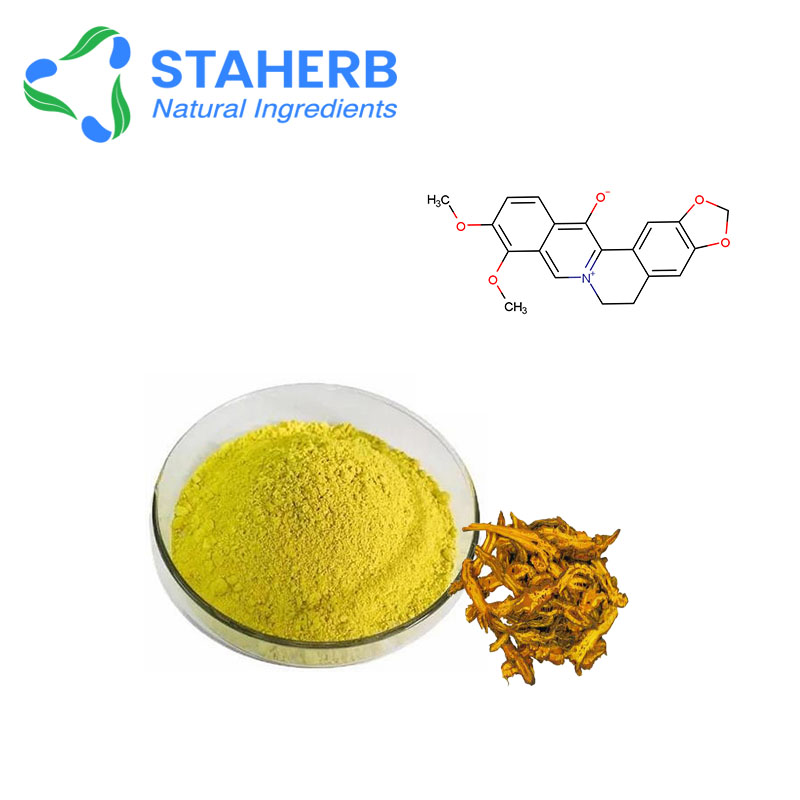
| MF: | C16H16O5 |
| MW: | 288.3 |
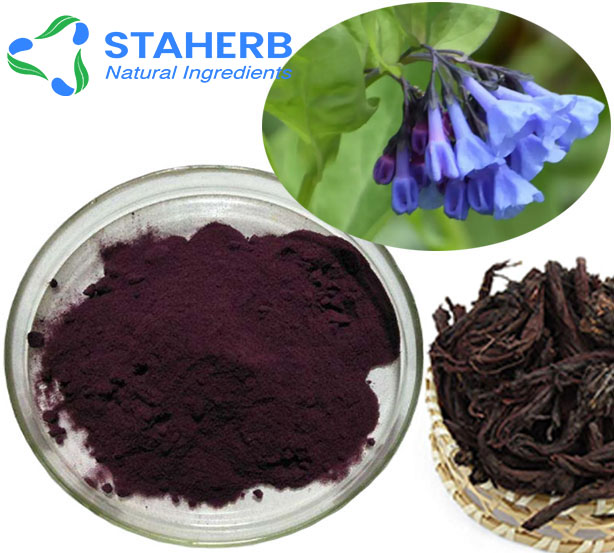
Shikonin has been used as a red dye for centuries and is reported to possess medicinal properties such as antibacterial, anti-inflammatory and antitumor activities. It occurs as an acetyl derivative in the Japanese shikone, Lithospermum erythrorhizon, another member of the Boraginaceae family. It is the (R)-optical isomer of alkannin. Tissue cultures of L. erythrorhizon are used in Japan to manufacture shikonin mainly for cosmetic use. Both alkannin and shikonin are mordant dyes producing violet to gray colors on fabrics. In Japan, shikonin was used to dye fabrics a color known as Tokyo Violet. Shikalkin the racemate, has been synthesized
Shikonin and its derivatives have not been approved for clinical use yet. Studies are confined to cellular and animal experiments. Its original plant Zicao has a long history of medical use both orally and externally in China. Various dosage forms of Zicao, including tablets, injections, oils, creams, tinctures, plastics, and pastes, have been developed for different clinical applications especially in dermatology, gynecology, pediatrics, ophthalmology, and otorhinolaryngology. Among them, puccoon oil and lithospermum cream are the most widely used forms









 (All Rights Reserved) (All Rights Reserved)