Product Description
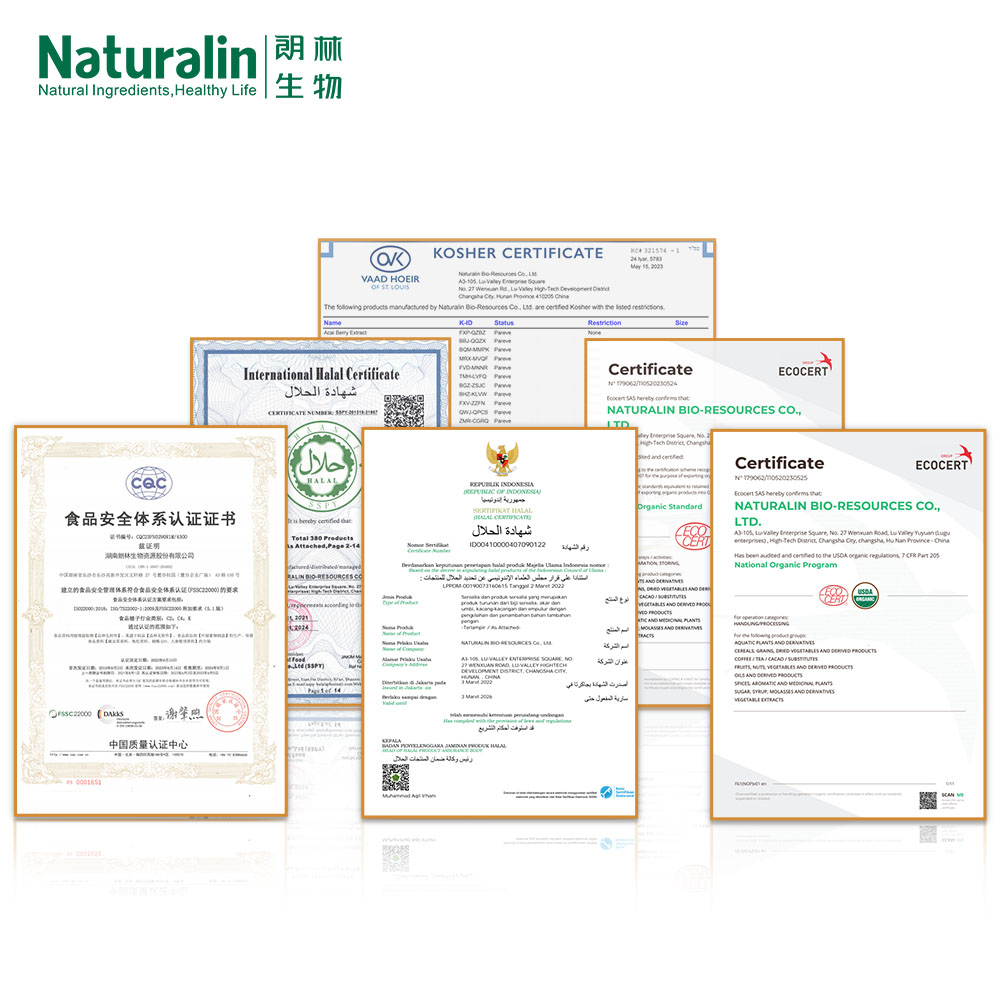
Founded in 2006, Naturalin is committed to the manufacturing, innovation, and sales of natural ingredients. Naturalin ingredients are widely used in various fields such as nutrition, food & beverage, personal care, animal nutrition ,etc. Website: www.naturalin.com E-mail: sales@naturalin.com
AI Product Description
*The following content is generated by AI and is for reference only.
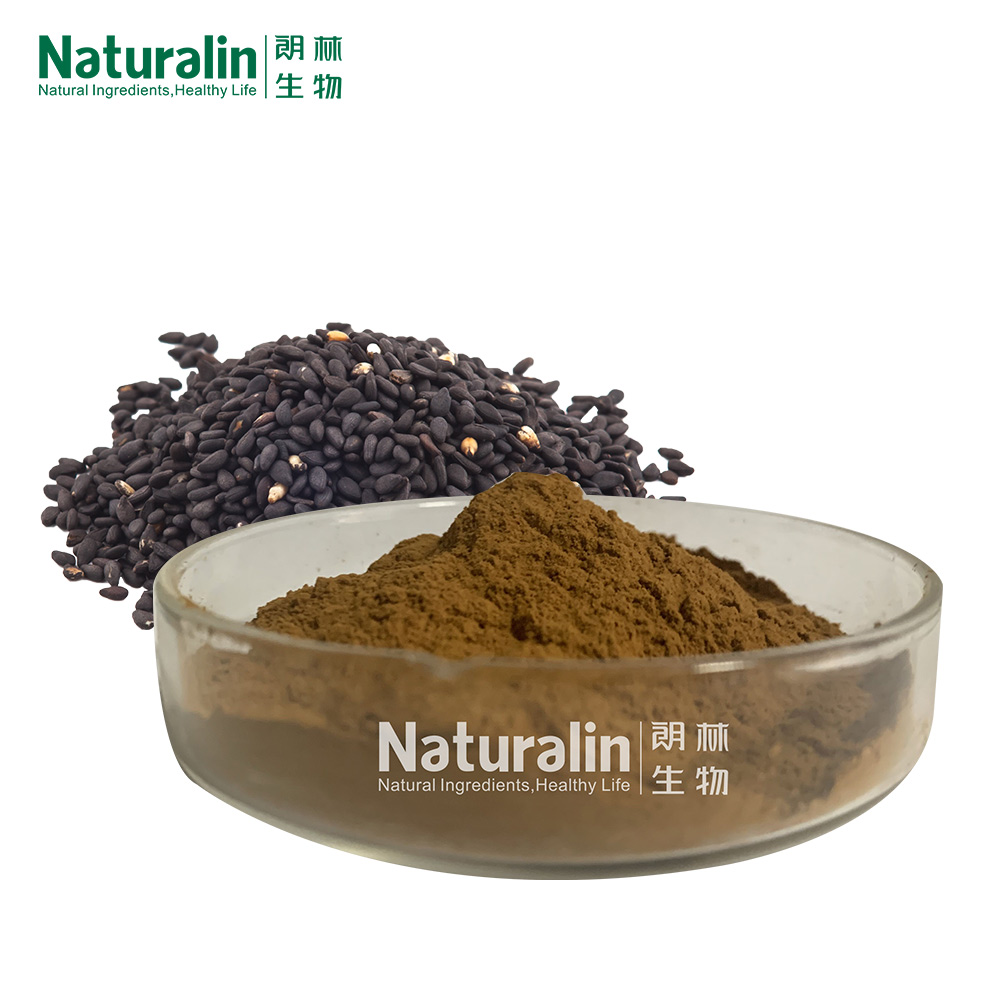
Sesame extract, derived from the seeds of *Sesamum indicum*, is a potent natural antioxidant widely utilized in the food and cosmetic industries. Chemically, it is not a single compound but a complex mixture rich in bioactive lignans, primarily sesamin, sesamolin, and sesamol. While these specific components have distinct molecular formulas—such as C21H24O6 for sesamin and C17H18O5 for sesamol—the extract itself does not possess a single unified molecular formula or a standard CAS number applicable to the raw botanical material. Instead, individual purified constituents are assigned unique CAS registry numbers for regulatory identification. For instance, pure sesamin carries the CAS number 532-90-7, while sesame oil itself is often identified by CAS 8008-74-8.
The primary application of sesame extract lies in its exceptional ability to stabilize lipids and prevent oxidation. In the food sector, it serves as a natural preservative, extending the shelf life of vegetable oils, fried snacks, and processed meats without relying on synthetic additives like BHA or BHT. Its efficacy stems from the synergistic action of its phenolic compounds, which scavenge free radicals effectively even at high temperatures. Beyond preservation, sesame extract offers significant health benefits, including potential cholesterol-lowering effects, anti-inflammatory properties, and protection against liver damage, making it a valuable ingredient in functional foods and dietary supplements.
In the cosmetics industry, this extract is prized for its skin-conditioning and protective qualities. It helps neutralize oxidative stress caused by UV radiation and pollution, thereby slowing down premature aging and maintaining skin elasticity. Furthermore, its mild nature makes it suitable for sensitive skin formulations. The extract is also used in pharmaceutical research for its hepatoprotective and neuroprotective potentials. As consumer demand shifts toward clean-label products, sesame extract has become an indispensable alternative to synthetic antioxidants. Its versatility allows it to be incorporated into various formats, including capsules, liquid concentrates, and topical creams. By harnessing the power of nature, manufacturers can enhance product stability and nutritional value while appealing to health-conscious consumers seeking safe, plant-based solutions for long-term wellness and beauty maintenance.




 (All Rights Reserved)