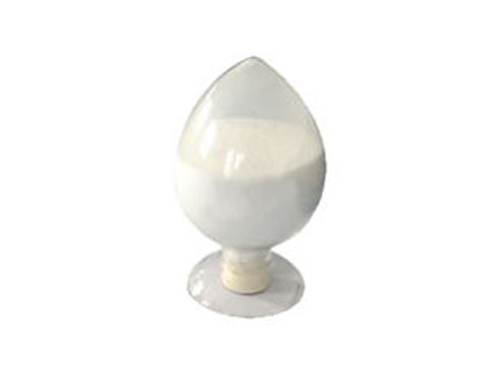
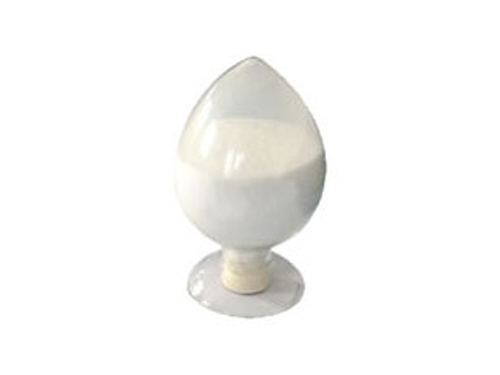
Senna Leaf Extract 6.5% 8.0% Sennosides by HPLC/UV
Grade:food grade
Certificate:ISO9001
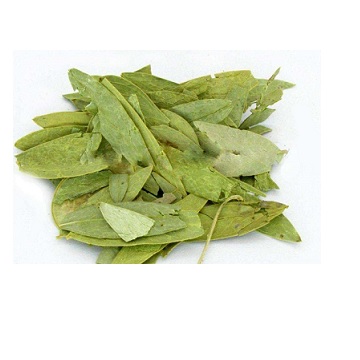
Senna Leaf (Cassia angustifolia or Cassia acutifolia in Latin); Senna is a shrub native to Egypt, Sudan, Nigeria and Nubia in North Africa, as well as India, Pakistan and China. Sennas are herbaceous subshrubs and both varieties used, Alexandrian and Tinnevelly, have desert origins.
*The following content is generated by AI and is for reference only.
Senna Leaf Extract containing 6.5% to 8.0% sennosides, as determined by High-Performance Liquid Chromatography (HPLC) with UV detection, is a standardized botanical preparation derived from the dried leaves of *Cassia angustifolia* or *Cassia acutifolia*. This extract serves as a potent source of anthraquinone glycosides, primarily sennoside A and sennoside B, which are responsible for its physiological effects. While the exact molecular formula varies depending on the specific sennoside component (e.g., Sennoside A is C42H38O20), the product is generally characterized by its high purity and consistent bioactive profile, verified through rigorous HPLC/UV analysis to ensure quality control in pharmaceutical and nutraceutical applications.
The primary function of this standardized extract is as an effective stimulant laxative. Upon oral administration, the sennosides remain intact during digestion until they reach the large intestine. There, gut bacteria hydrolyze them into active rhein anthrone derivatives, which stimulate peristalsis and increase fluid secretion in the colon, thereby facilitating bowel movements. Due to its rapid onset of action, typically occurring within 6 to 12 hours, it is widely utilized in formulations designed for short-term relief of constipation, preparation for medical procedures such as colonoscopies, and management of irregular bowel habits.
Beyond clinical use, this extract is a critical ingredient in the manufacturing of dietary supplements, herbal teas, and over-the-counter medications. The standardization range of 6.5% to 8.0% ensures dosage accuracy, minimizing the risk of under-dosing or excessive irritation associated with crude leaf material. Manufacturers rely on HPLC/UV data to certify that each batch meets strict regulatory specifications for safety and efficacy. As a natural alternative to synthetic laxatives, it remains a cornerstone in gastrointestinal health products globally, offering a reliable solution for digestive regulation while adhering to modern analytical standards for consistency and potency.





 (All Rights Reserved)