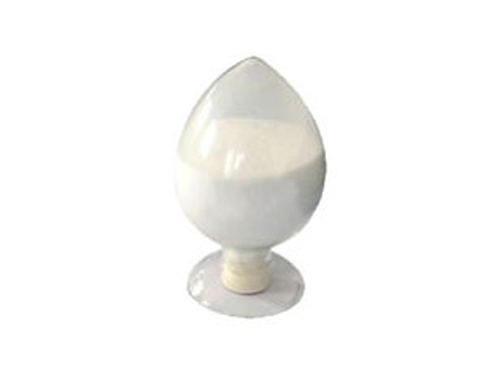
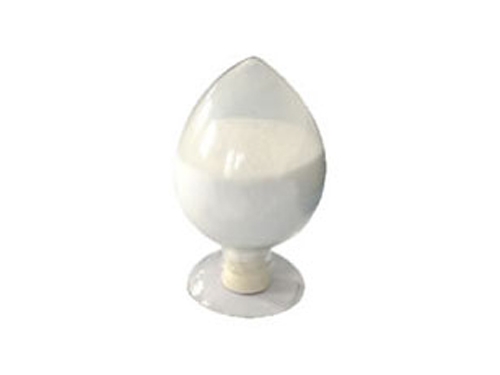
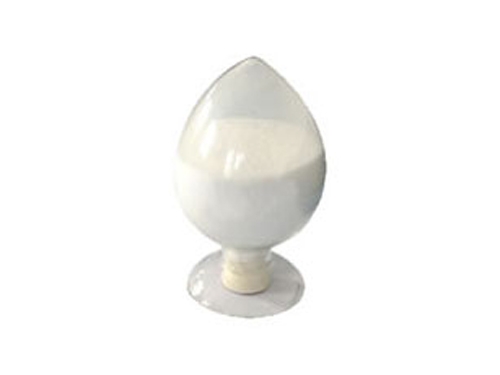
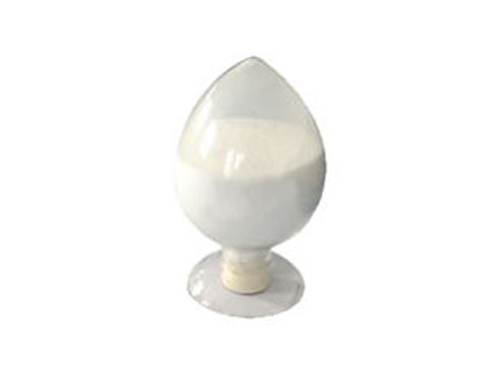
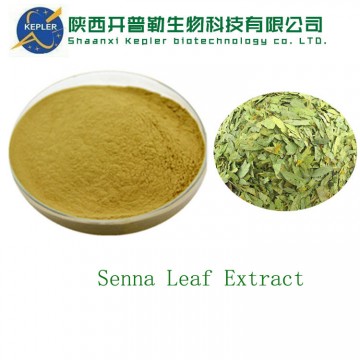
Product name:Senna Leaf Extract
Plant Latin name: Cassia Angustifolia Vahl.
Main specifications: Senna (A+B) 6%, 8%, 20%
Detection method: UV / HPLC
Extraction site: leaf
Senna leaves contain: about 3% of bisulphenone oxime (Senna 甙 A, A1, B, C, D, E, F and G); and a small amount of mites, including aloe-emodin and rhein - 8-glucoside; about 10% viscose, tannins and flavonoids. The extract standard contains 8% senna.
*The following content is generated by AI and is for reference only.
Senna Leaf Extract is a widely utilized natural derivative obtained from the dried leaves and leaflets of *Senna alexandrina* or *Cassia angustifolia*. Chemically, its primary active constituents are anthraquinone glycosides, specifically sennosides A, B, C, and D. While these complex molecules do not share a single simple molecular formula due to their glycosidic nature, the core aglycone structures generally follow formulas around C30H32O12 for individual components. The extract does not possess a single CAS number; rather, it is identified by specific identifiers for its main components, such as 14153-86-9 for Sennoside A and 13533-67-6 for Sennoside B.
This botanical product is renowned globally for its potent laxative properties. Upon ingestion, gut bacteria hydrolyze the sennosides into active rhein anthrone derivatives, which stimulate peristalsis in the colon and increase fluid secretion into the intestinal lumen. Consequently, it serves as a first-line treatment for occasional constipation and is frequently included in over-the-counter herbal supplements, dietary fibers, and pharmaceutical formulations designed to regulate bowel movements. Beyond digestive health, research suggests potential applications in weight management protocols and preoperative bowel preparation due to its efficient cleansing action.
In the cosmetic industry, Senna Leaf Extract is occasionally incorporated into skin care products for its mild exfoliating effects, although its primary commercial value remains rooted in gastroenterology. It is generally available in various forms, including powder, liquid extracts, and standardized tablets, with manufacturers often specifying the percentage of total sennosides to ensure potency and consistency. Users should note that while effective for short-term relief, long-term use can lead to electrolyte imbalances or dependency, necessitating medical supervision. As a natural alternative to synthetic stimulants, it continues to be a staple in both traditional medicine systems and modern clinical practices for managing functional bowel disorders.





 (All Rights Reserved)