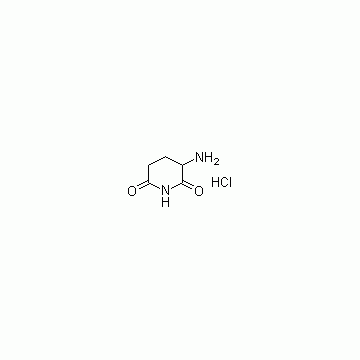
Product Description
ISO chemical factory,stable supplying, competitive price
AI Product Description
*The following content is generated by AI and is for reference only.
Saxagliptin, often associated with the INTS-1 designation in specific research contexts or internal catalogs, is a potent and selective dipeptidyl peptidase-4 (DPP-4) inhibitor developed for the management of type 2 diabetes mellitus. Its chemical identity is defined by the molecular formula C17H25FN4O3, with a precise molecular weight of approximately 348.4 g/mol. The substance is uniquely identified by the CAS Registry Number 396077-69-3. Structurally, Saxagliptin belongs to the class of boronic acid-containing inhibitors, which allows it to bind reversibly but with high affinity to the active site of the DPP-4 enzyme.
The primary pharmacological mechanism involves the inhibition of the enzyme responsible for degrading incretin hormones, specifically glucagon-like peptide-1 (GLP-1) and glucose-dependent insulinotropic polypeptide (GIP). By preventing the degradation of these endogenous peptides, Saxagliptin enhances their physiological activity. This leads to a glucose-dependent increase in insulin secretion from pancreatic beta cells and a corresponding suppression of inappropriate glucagon release from alpha cells. Consequently, hepatic glucose production is reduced, and overall glycemic control is improved without causing significant hypoglycemia when used as monotherapy.
In clinical practice, Saxagliptin is indicated as an adjunct to diet and exercise to improve glycemic control in adults with type 2 diabetes. It is frequently prescribed in combination with other antidiabetic agents such as metformin, sulfonylureas, or thiazolidinediones to achieve optimal blood sugar levels. The drug offers a convenient dosing regimen, typically administered once daily, which aids in patient compliance. Beyond its therapeutic application, Saxagliptin serves as a critical reference standard in pharmaceutical research for validating DPP-4 assay methods and studying metabolic pathways. While generally well-tolerated, clinicians monitor patients for potential adverse effects, including nasopharyngitis, headache, and rare cases of pancreatitis. As a cornerstone therapy in modern diabetes management, Saxagliptin represents a significant advancement in targeting incretin physiology to maintain long-term metabolic health.
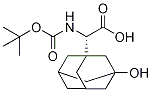



 (All Rights Reserved)
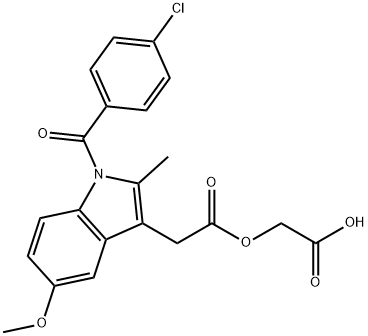
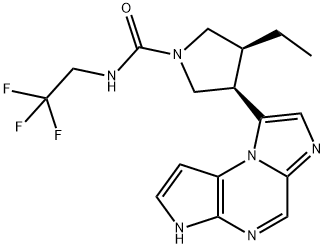




![4-[[[[6-[(Diethylamino)methyl]-2-naphthalenylmethoxy]carbonyllaminolbenzoic acid](https://eimg.pharmasources.com/image/20241206/xJCFsdgfMrHzqjtgeOixhGQHgVbKi7kAcoEqemzE.jpg)