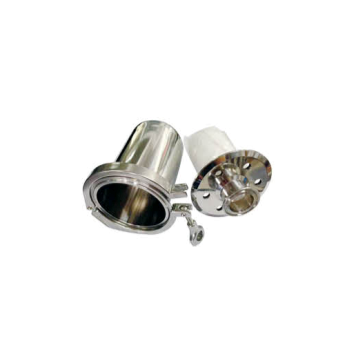
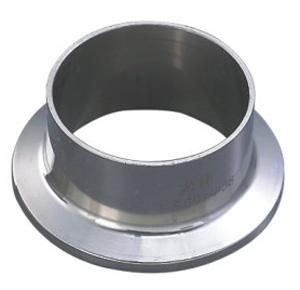
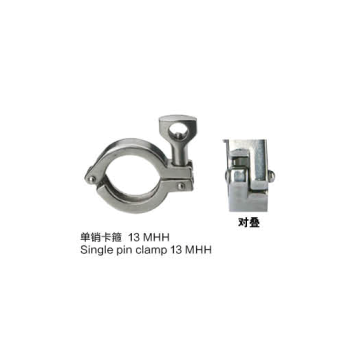
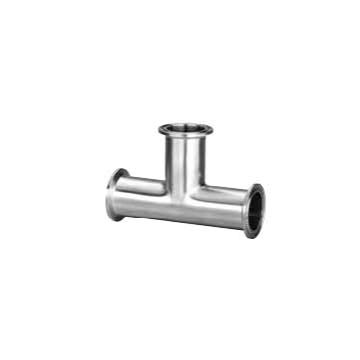
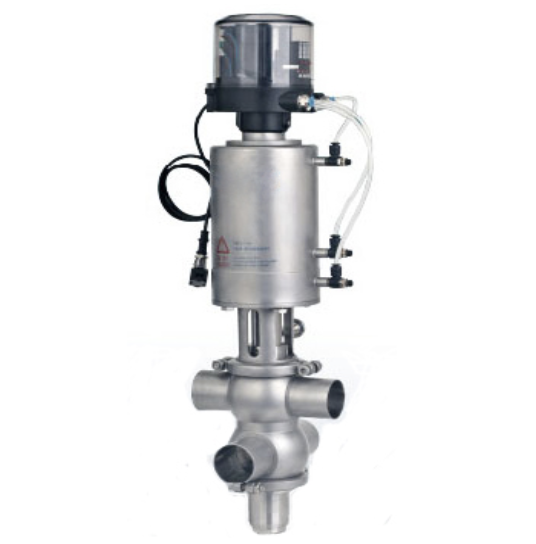
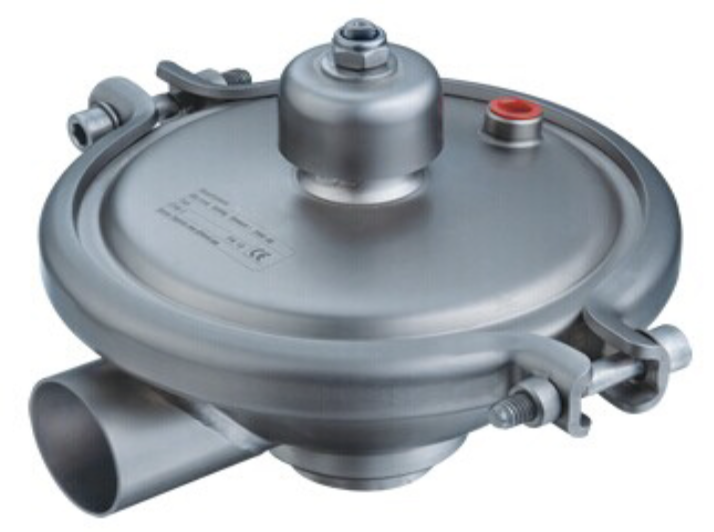
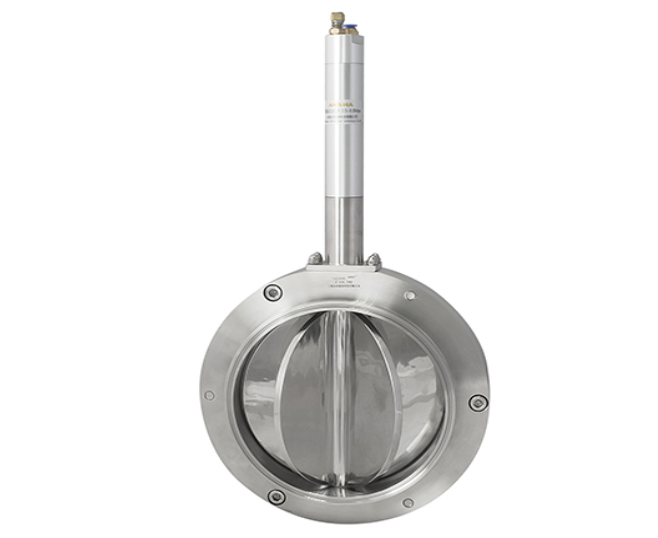
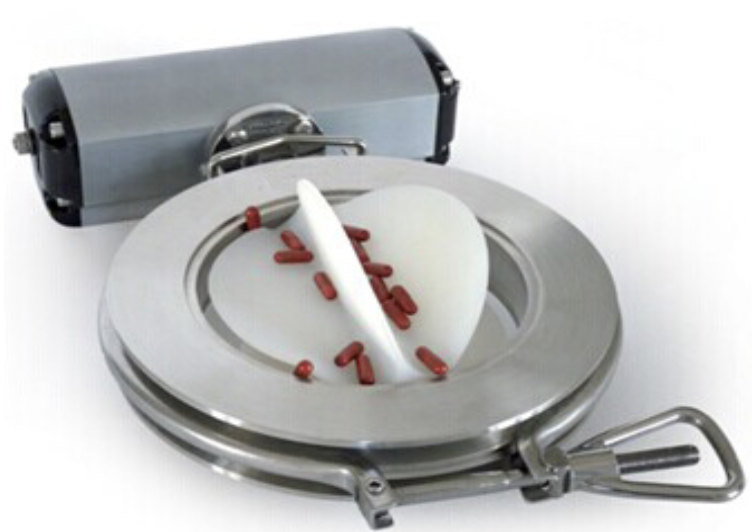
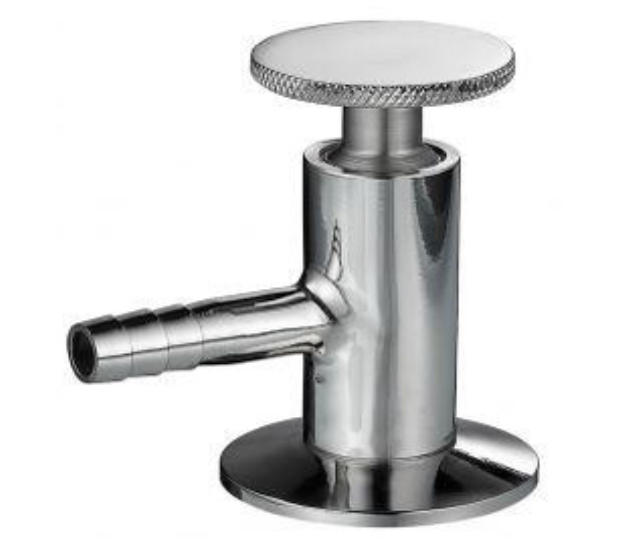
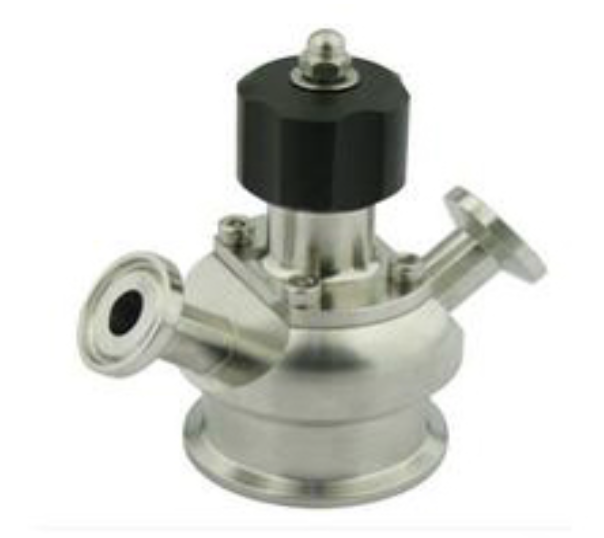
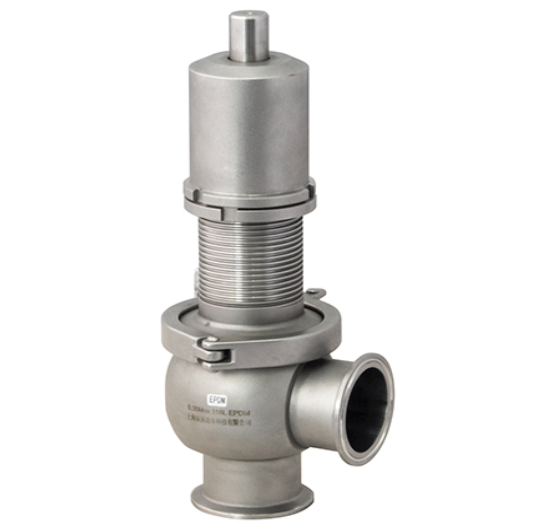
Size: DN25-DN100, Φ19-273, 3/4"-10";
Standard: DIN, SMS, 3A, ISO
Connection: Welded, Threaded, Clamped, Flanged, Threaded-Welded, Flanged-Welded, Butt Welding;
Material: SS304,SS316L;
Application: dairy, beer, food, beverage, pharmaceutical, biological engineering and etc. Industries;
Surface Treatment: CNC Machined;
Grit & finish: 1. #240(Ra≤0.6μm) 2. #180(Ra≤0.8μm)
*The following content is generated by AI and is for reference only.
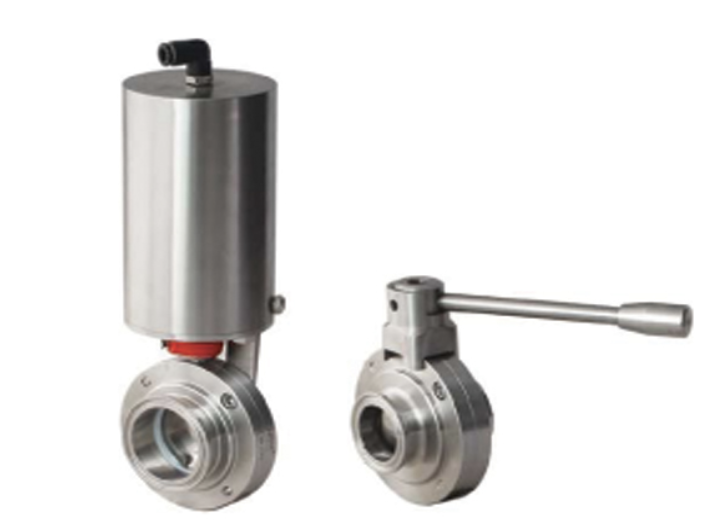
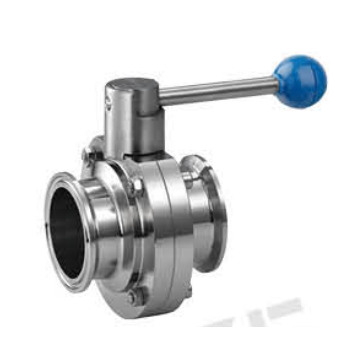
A sanitary stainless steel butterfly valve is a critical component in industries requiring high levels of hygiene and fluid purity, such as food and beverage processing, pharmaceutical manufacturing, biotechnology, and dairy production. Designed with smooth, crevice-free internal surfaces, these valves prevent bacterial buildup and ensure easy cleaning, making them ideal for sterile environments where product contamination must be strictly avoided. Typically constructed from high-grade 304 or 316L stainless steel, they offer excellent corrosion resistance and durability against aggressive cleaning agents like steam, caustic solutions, and acids.
The primary function of this valve is to regulate, isolate, or divert flow within piping systems. Its quarter-turn operation allows for rapid opening and closing, providing efficient control over liquids, slurries, or gases. The disc rotates within the body, creating a tight seal that minimizes leakage while maintaining system integrity. Unlike traditional gate or globe valves, butterfly designs are compact, lightweight, and cost-effective, reducing installation space and maintenance efforts without compromising performance.
Key operational considerations include ensuring proper alignment during installation to avoid stress on the valve body and piping. Operators should verify that the selected material grade matches the specific chemical compatibility requirements of the process fluid. Temperature limits must also be respected, as extreme heat can affect sealing elements, typically made from FDA-approved elastomers like EPDM, PTFE, or silicone. Regular inspection of the seat and disc for wear or damage is essential to maintain leak-tight performance. Cleaning procedures often involve Clean-in-Place (CIP) or Sterilize-in-Place (SIP) protocols; thus, the valve design must withstand repeated thermal cycling and high-pressure washdowns. Improper handling or torque application during actuation can lead to premature failure. Additionally, avoiding dry running or operating under excessive pressure beyond rated specifications prevents structural deformation. For optimal longevity, periodic lubrication of moving parts and replacement of worn seals according to manufacturer guidelines are recommended. By adhering to these practices, facilities can ensure consistent product quality, regulatory compliance, and reliable system operation in demanding sanitary applications.



 (All Rights Reserved)