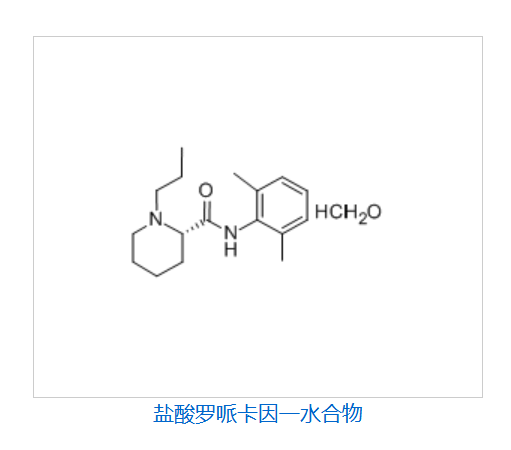
盐酸罗哌卡因一水合物化学性质熔点:267-269°C比旋光度:D20-7.28°(c=2inwater)储存条件:2-8°C溶解度:H2O:soluble5mg/mL,clear形态:powder颜色:whitetooff-white旋光性(opticalactivity):[α]/D-9to-12,c=1inmethanol水溶解性:H2O:5mg/mL,clearInChI:InChI=1/C17H26N2O.ClH.H2O/c1-4-11-19-12-6Chemicalbook-5-10-15(19)17(20)18-16-13(2)8-7-9-14(16)3;;/h7-9,15H,4-6,10-12H2,1-3H3,(H,18,20);1H;1H2/t15-;;/s3InChIKey:VSHFRHVKMYGBJL-CKUXDGONSA-NSMILES:[C@H]1(CCCCN1CCC)C(=O)NC1=C(C)C=CC=C1C.O.Cl|&1:0,r|CAS数据库:132112-35-7(CASDataBaseReference)
*The following content is generated by AI and is for reference only.
(S)-Ropivacaine hydrochloride hydrate is the hydrated salt form of the pure S-enantiomer of ropivacaine, a modern local anesthetic belonging to the amide class. With the molecular formula C18H29ClN2O4 and CAS Registry Number 136507-75-2, this compound represents a significant advancement in regional anesthesia compared to its racemic predecessor, bupivacaine. The molecule features a propyl group on the nitrogen atom of the piperidine ring, which contributes to its unique pharmacological profile characterized by a favorable balance between sensory blockade and motor sparing.
The primary clinical application of (S)-ropivacaine hydrochloride hydrate lies in its use as a potent local anesthetic for various surgical procedures and pain management strategies. It is widely utilized for epidural anesthesia during labor and delivery, peripheral nerve blocks for orthopedic surgeries, and infiltration anesthesia for minor procedures. A key advantage of the S-enantiomer is its reduced cardiotoxicity and neurotoxicity relative to racemic mixtures. Because the R-enantiomer is more potent but also more toxic to cardiac tissue, isolating the S-isomer allows clinicians to achieve effective analgesia with a wider safety margin, particularly in high-dose scenarios or when administering large volumes.
Pharmaceutically, the hydrate form offers enhanced stability and solubility properties, facilitating the formulation of sterile injectable solutions. These solutions are essential for maintaining precise dosing accuracy in clinical settings. The drug works by reversibly blocking voltage-gated sodium channels in neuronal membranes, thereby inhibiting the initiation and conduction of nerve impulses. This mechanism effectively interrupts pain signals without causing permanent nerve damage when used within therapeutic limits. Due to its prolonged duration of action and rapid onset, it has become a gold standard in many anesthetic protocols. Furthermore, its low systemic absorption rate minimizes the risk of adverse central nervous system effects, making it suitable for both outpatient and inpatient environments. As medical science continues to prioritize patient safety, (S)-ropivacaine hydrochloride hydrate remains a critical component in the global arsenal of anesthetic agents, ensuring effective pain control while mitigating potential risks associated with older generation anesthetics.


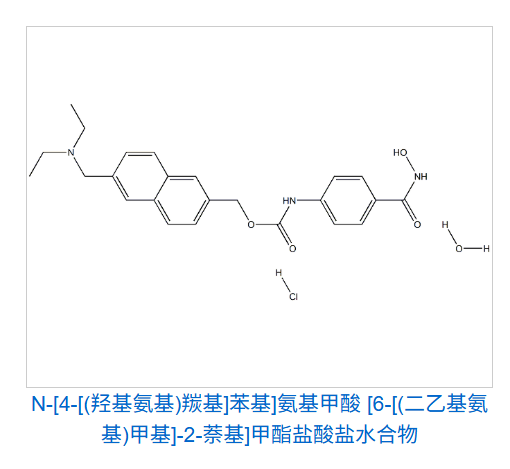
![8,16-Diazadispiro[6.1.6.2]heptadecan-17-one](https://eimg.pharmasources.com/image/product/20250403/ca91cba8b87e53fc879f8d8764873a40jpg)
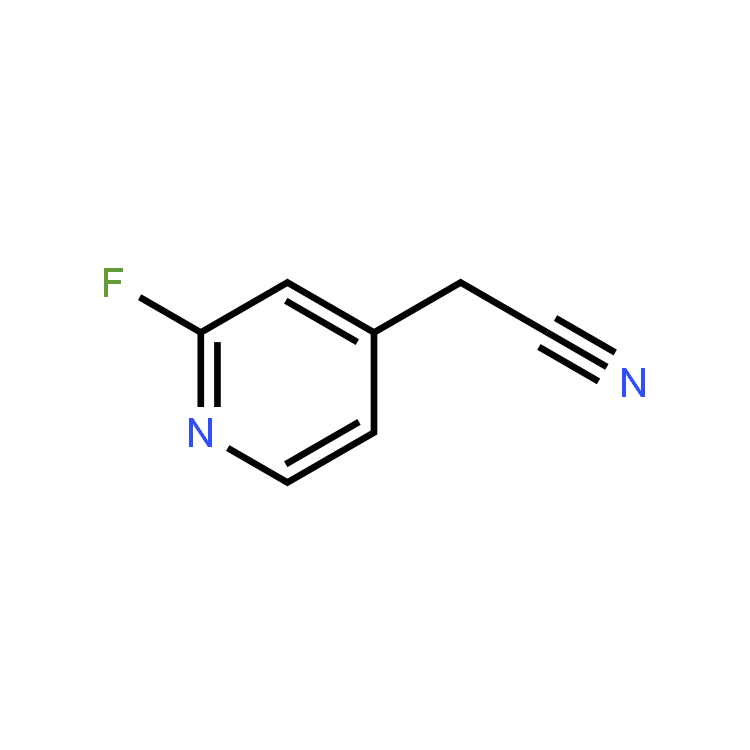
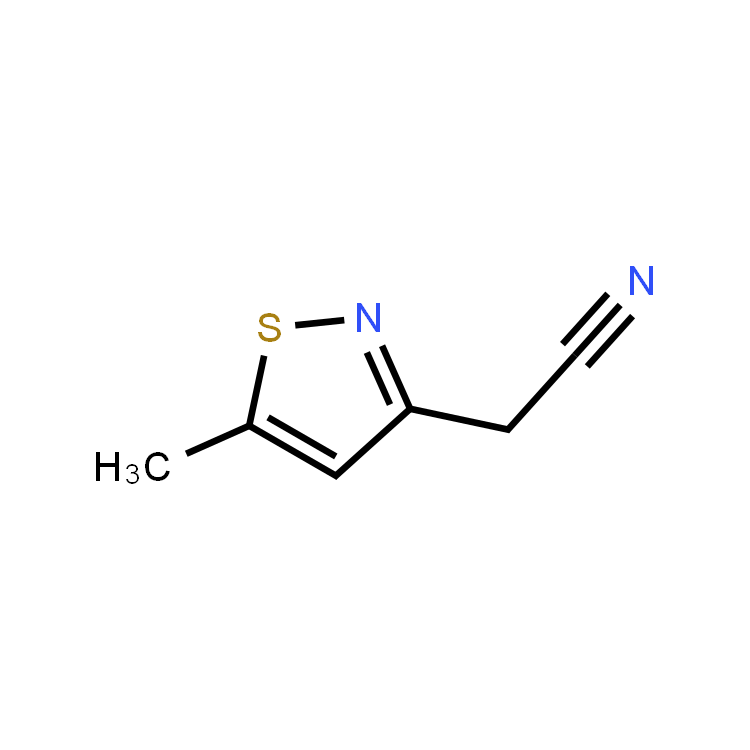
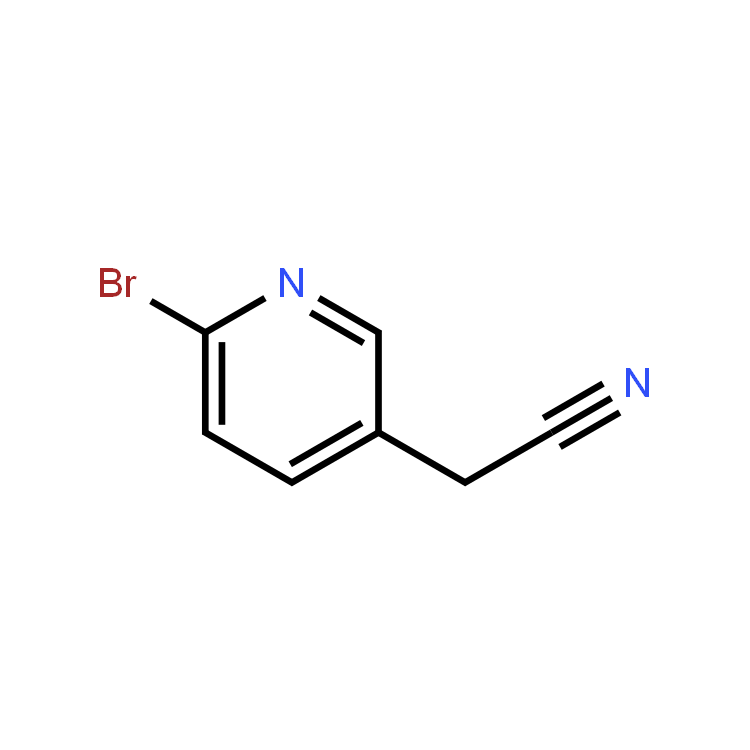
![8-Oxa-1,3-diazaspiro[4.5]decane-2,4-dione](https://eimg.pharmasources.com/image/product/20250403/60fa7223d5a34f24138486ceea0ffb15jpg)
![6,8-Dioxo-5,7-diazaspiro[3.4]octane-2-carboxylic acid](https://eimg.pharmasources.com/image/product/20250403/02effeb5a7639bc84ff1f3add3c0c64fjpg)



 (All Rights Reserved)