Product Description
please call me , to know more
AI Product Description
*The following content is generated by AI and is for reference only.
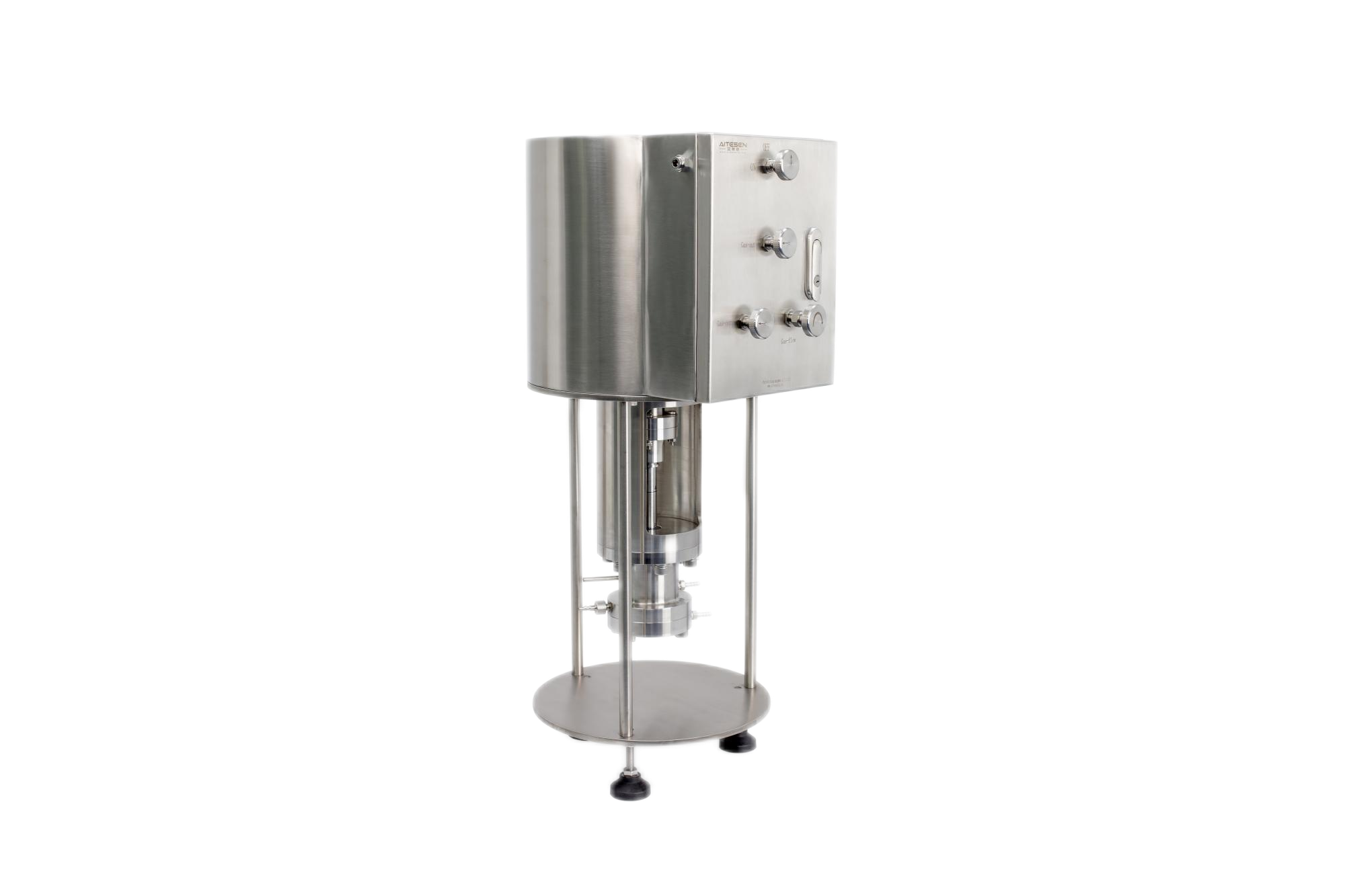
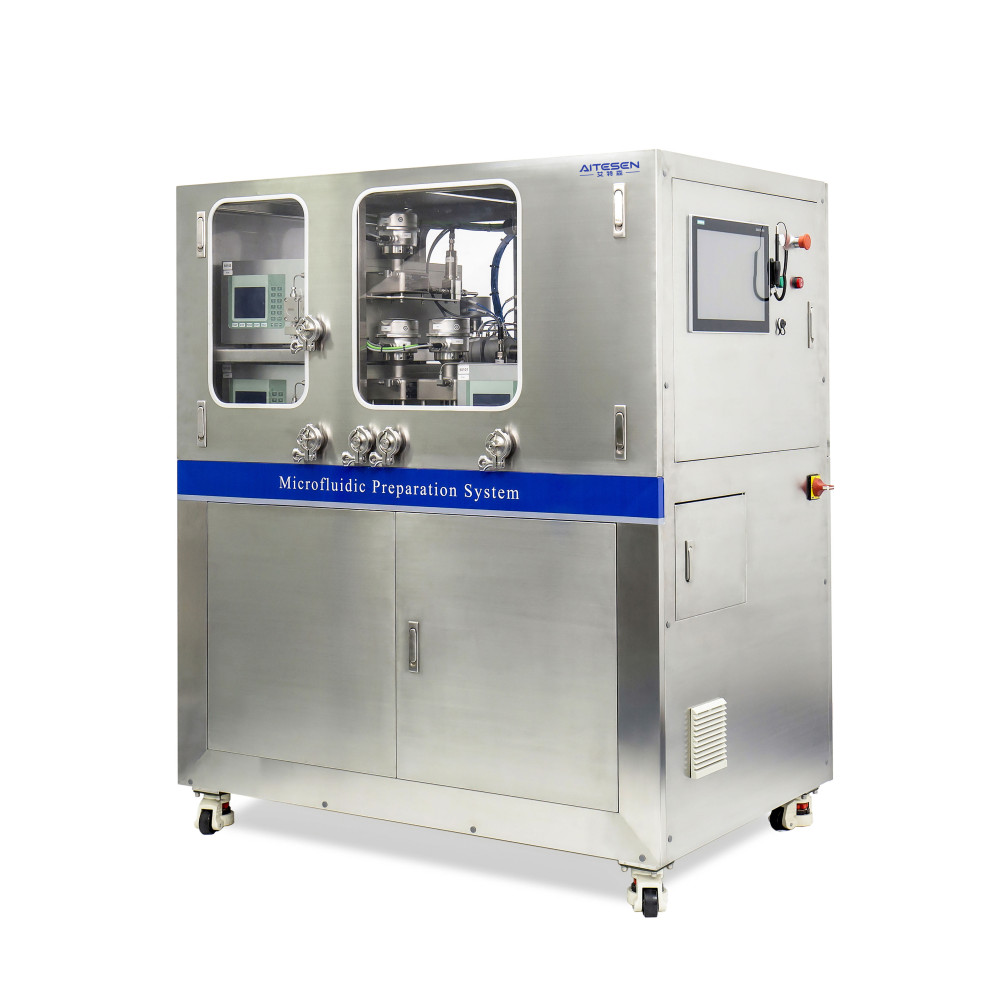
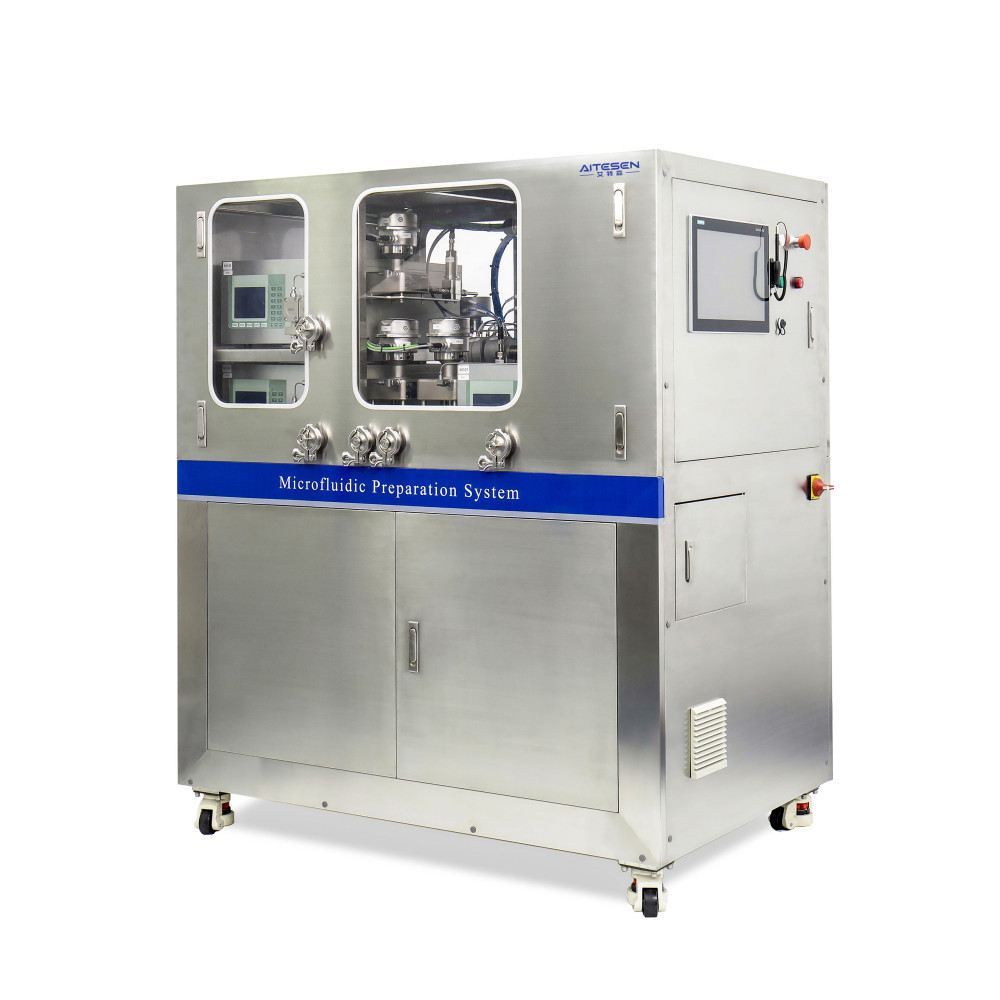
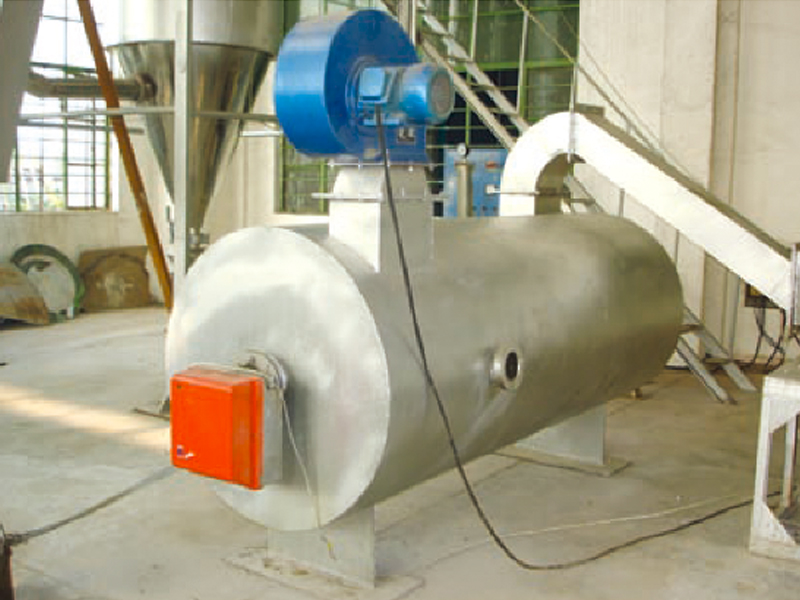
The product described by the keywords "Oil Fuel Hot Air Furnace" is a specialized industrial heating system designed to generate and distribute hot air using liquid hydrocarbon fuels, such as diesel or heavy oil. These units are widely utilized across various sectors including agriculture for crop drying, manufacturing for paint curing and metal heat treatment, construction for concrete drying, and food processing for dehydration processes. The core function involves atomizing the fuel within a combustion chamber, where it ignites to produce high-temperature flames. This thermal energy heats a heat exchanger, which in turn warms ambient air drawn in by a powerful fan. The heated air is then delivered through ducts or nozzles directly to the target area, ensuring efficient and uniform temperature distribution without contaminating the process stream, as the combustion gases remain isolated from the working air.
Operating these furnaces requires strict adherence to safety protocols due to the inherent risks of open flames and combustible materials. Regular maintenance is critical; operators must frequently inspect fuel lines, filters, and nozzles to prevent clogging or leaks that could lead to inefficient burning or fire hazards. Proper ventilation is essential to ensure complete combustion and to safely vent exhaust gases containing carbon monoxide away from personnel and sensitive equipment. Furthermore, the installation site must be clear of flammable debris, and the unit should be placed on a stable, non-combustible surface. Automatic shut-off mechanisms and flame failure detectors are standard safety features that must be tested regularly to ensure they function correctly during power failures or operational anomalies. Operators should always wear appropriate personal protective equipment and undergo specific training before handling the fuel supply or adjusting controls. By following these guidelines, facilities can maximize energy efficiency, extend the lifespan of the equipment, and maintain a safe working environment while achieving precise thermal processing requirements.





 (All Rights Reserved)