Product Description
Rivaroxaban is a new type of oral anticoagulant drug used in adult patients with non-valvular atrial fibrillation (excluding atrial fibrillation caused by rheumatic valvular heart disease and atrial fibrillation that occurs after heart valve replacement surgery) to reduce the risk of stroke and systemic embolism
AI Product Description
*The following content is generated by AI and is for reference only.
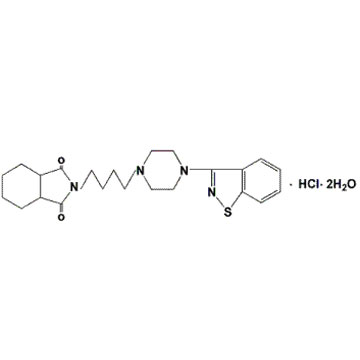
Rivaroxaban, marketed under the brand name Xarelto among others, is a potent and selective direct oral anticoagulant (DOCA) belonging to the class of Factor Xa inhibitors. Its chemical identity is defined by the molecular formula C21H24ClN5O4S, with a precise molecular weight of approximately 437.96 g/mol. The substance is uniquely identified by its CAS Registry Number, 366780-08-5, which serves as a critical reference for regulatory compliance, pharmaceutical manufacturing, and scientific research globally. Structurally, rivaroxaban features a chloropyridine core linked to a pyrrolidine ring, enabling high specificity in binding to the active site of human Factor Xa, thereby preventing the conversion of prothrombin to thrombin without affecting thrombin directly.
Clinically, rivaroxaban is widely prescribed for the prevention and treatment of venous thromboembolism (VTE), including deep vein thrombosis (DVT) and pulmonary embolism (PE). It has become a standard of care for stroke prevention in patients with non-valvular atrial fibrillation, offering a significant alternative to traditional vitamin K antagonists like warfarin due to its predictable pharmacokinetic profile. Unlike warfarin, rivaroxaban does not require routine coagulation monitoring or dietary restrictions regarding vitamin K intake, significantly improving patient adherence and quality of life. Furthermore, it is utilized for reducing the risk of major cardiovascular events following acute coronary syndrome when combined with antiplatelet therapy.
The drug exhibits rapid absorption, reaching peak plasma concentrations within two to four hours after oral administration, with bioavailability remaining consistent regardless of food intake for most dosages. Metabolism occurs primarily via cytochrome P450 enzymes, specifically CYP3A4 and CYP2J2, alongside hydrolysis, while elimination involves both renal excretion and biliary secretion. While generally well-tolerated, the primary safety concern remains bleeding, necessitating careful patient selection and dose adjustment in cases of severe renal impairment. As a first-generation direct Factor Xa inhibitor, rivaroxaban represents a major advancement in antithrombotic therapy, providing effective clot prevention with a simplified dosing regimen that has transformed long-term management of thromboembolic disorders worldwide.

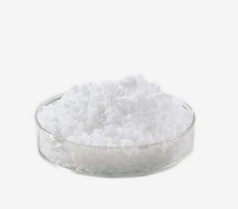

![6-broMo-2-chloro-8-cyclopentyl-5-Methylpyrido[2,3-d]pyriMidin-7(8H)-one](https://eimg.pharmasources.com/image/20250617/4zoOybJjzUTk0UgguabMkX7VnrDIlxHluERwqkjK.jpg)




 (All Rights Reserved)