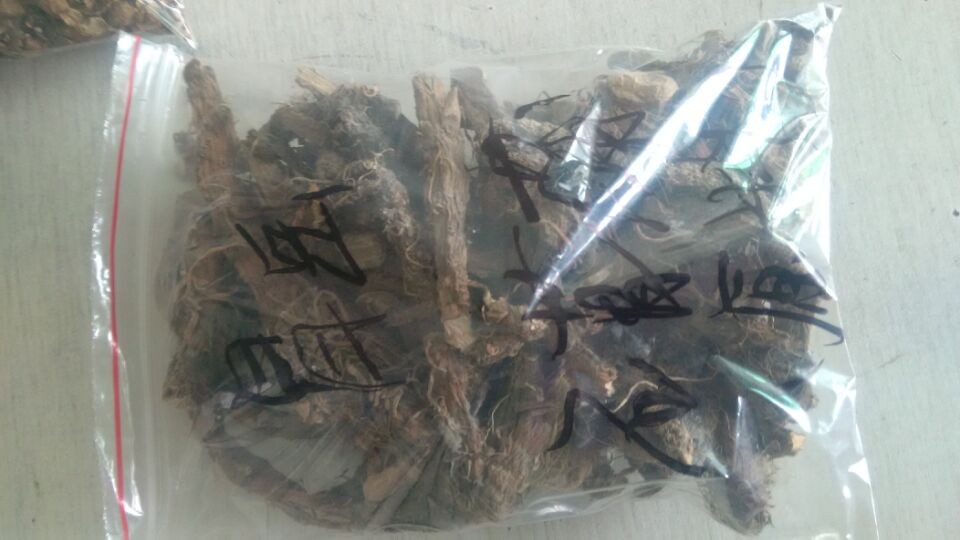
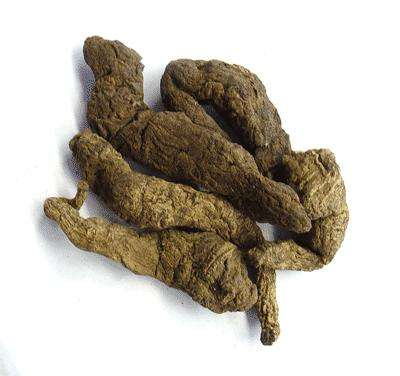
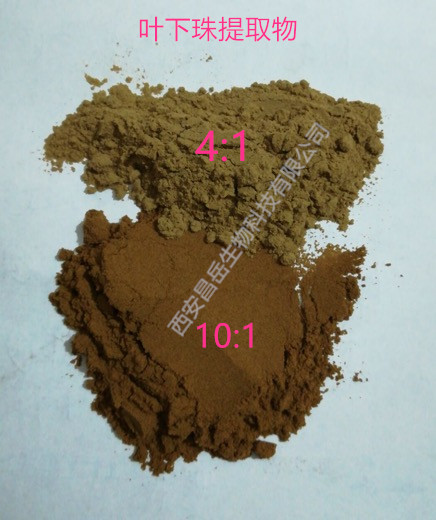
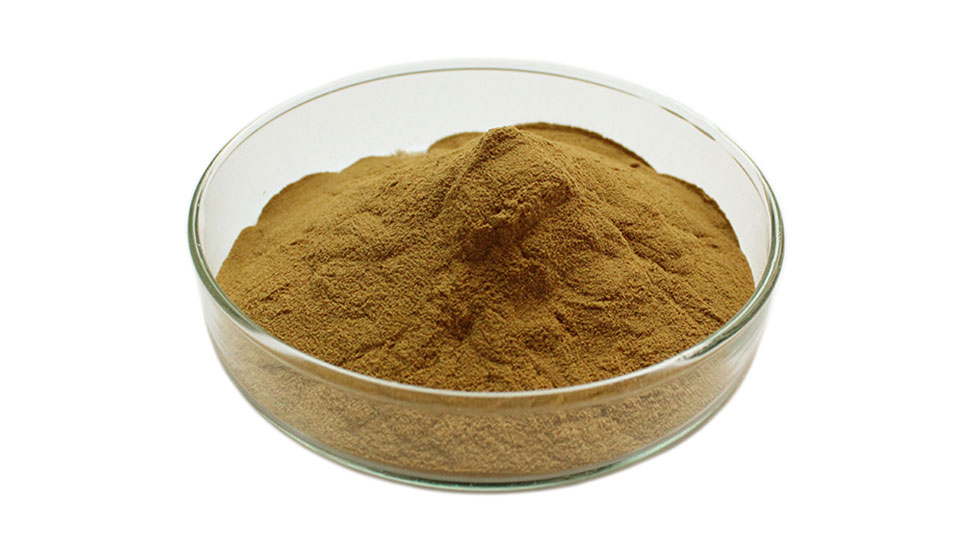
Product Description
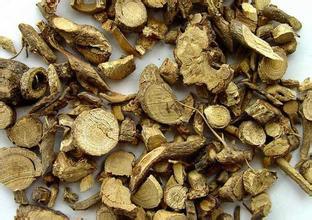
Grey brown to dark brown powder;
Micro, bitter taste.
AI Product Description
*The following content is generated by AI and is for reference only.
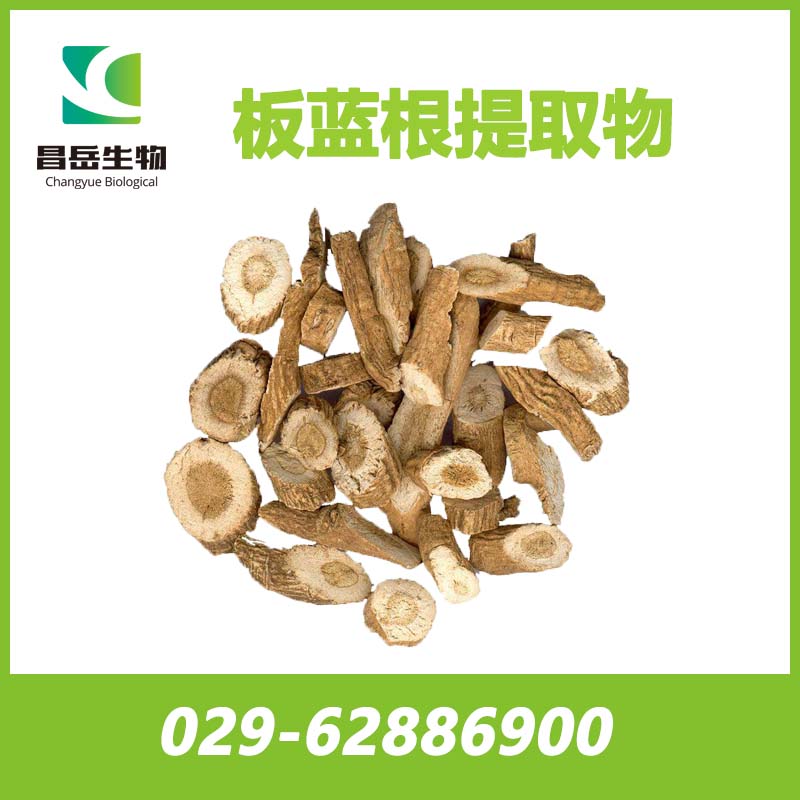
Rhizoma Menispermi extract, derived from the dried rhizomes of *Menispermum dauricum* DC. or related species within the Menispermaceae family, is a traditional herbal preparation widely utilized in East Asian medicine. While the extract is a complex mixture containing numerous bioactive constituents rather than a single pure compound, it does not possess a single universal molecular formula or CAS number applicable to the crude extract itself. The primary active alkaloids isolated from this herb include dauricine, dauricotine, and tubocurarine-like compounds, each with distinct chemical structures and specific CAS identifiers. For instance, Dauricine has the molecular formula C21H26N2O4 and CAS number 507-38-6.
This botanical extract has been historically employed for its anti-inflammatory, analgesic, and antipyretic properties. In modern applications, it is frequently investigated for its potential immunomodulatory effects and ability to alleviate allergic reactions. The pharmacological profile suggests activity against various inflammatory pathways, making it relevant for managing conditions characterized by swelling and pain. Furthermore, some studies indicate hepatoprotective benefits, although clinical validation remains an area of ongoing research. Due to the presence of potent alkaloids, safety profiles are critical; high doses may cause respiratory depression or muscle relaxation similar to curare, necessitating strict dosage control in therapeutic formulations.
In the cosmetic and dietary supplement industries, Rhizoma Menispermi extract is valued for its soothing capabilities and antioxidant potential. It is often incorporated into topical creams to reduce skin irritation or included in oral supplements aimed at supporting joint health and immune function. However, standardization varies significantly between manufacturers, leading to differences in potency and efficacy. Regulatory bodies emphasize the need for rigorous quality control to ensure the absence of toxic contaminants like aristolochic acids, which can sometimes be associated with improperly sourced plants. As with all herbal medicines, consultation with healthcare professionals is advised before use, particularly for pregnant women or individuals on concurrent medication, to mitigate potential adverse interactions. The global interest in natural therapeutics continues to drive research into optimizing extraction methods to maximize the yield of beneficial alkaloids while minimizing toxicity risks.










 (All Rights Reserved)