Category:
Plant Extracts
CAS NO:
5471-51-2
Standard:
USP,EP,


1.Product Name:Raspberry Ketone
2.CAS No.:5471-51-2
3.Specification Available:Raspberry Ketone 99%
4.Molecular Weight:164.20
5.Formula:C10H12O2
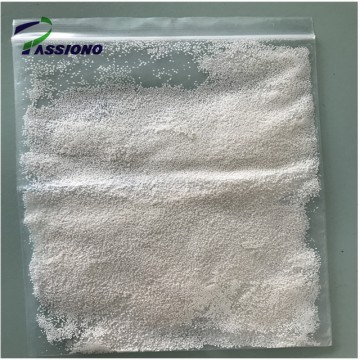
6.Packing size:25kg/Drum
7.Delivery:Prompt
| Raspberry ketone[1] | |
|---|---|
|
IUPAC name[hide] 4-(4-Hydroxyphenyl) butan- 2-one |
|
| Identifiers | |
| Abbreviations | RK |
| CAS number | 5471-51-2 N |
| PubChem | 21648 |
| ChemSpider | 20347 Y |
| EC number | 226-806-4 |
| ChEMBL | CHEMBL105912 Y |
| Jmol-3D images | Image 1 |
| Properties | |
| Molecular formula | C10H12O2 |
| Molar mass | 164.2 g mol−1 |
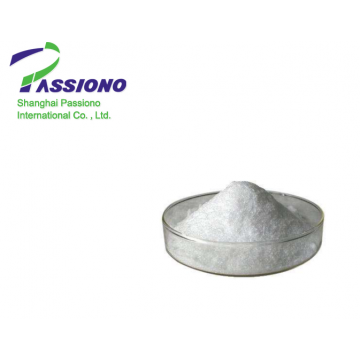
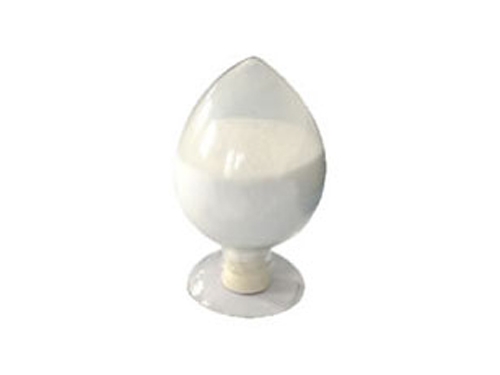
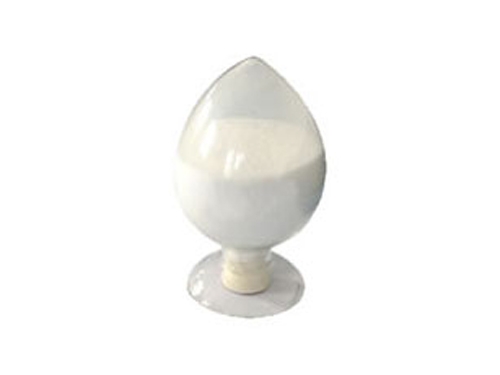
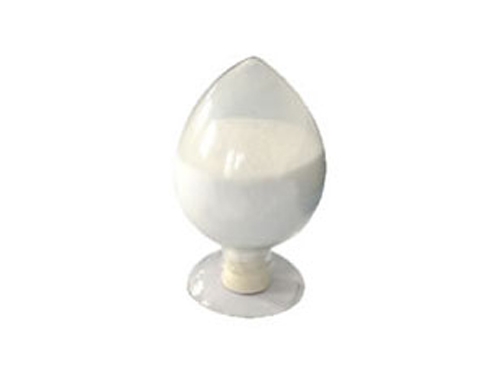
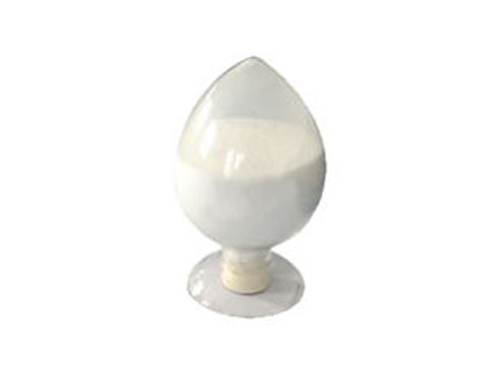
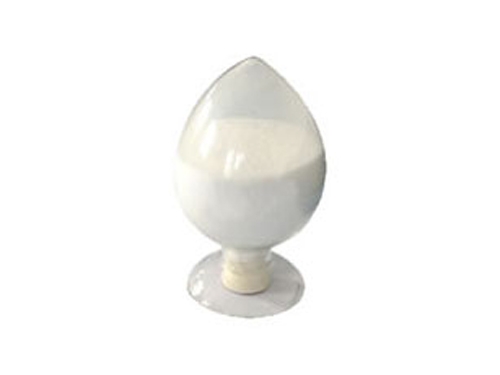
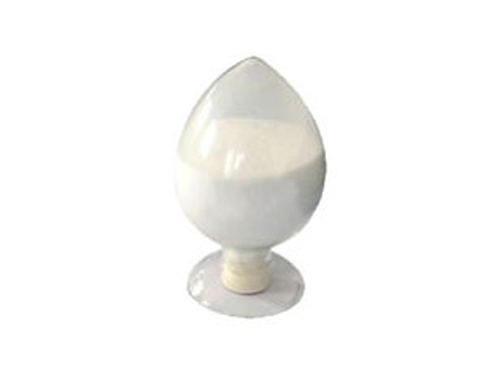
| Appearance | White needles[2] |
| Melting point |
82–84 °C |
| Boiling point |
140–146 °C (at 0.5 mmHg) |
What is Raspberry Ketone:
Raspberry ketone is a natural phenolic compound that is the primary aroma compound of red raspberries. It is used in perfumery, in cosmetics, and as a food additive to impart a fruity odor. It is one of the most expensive natural flavor components used in the food industry.
Since the natural abundance of raspberry ketone is very low, it is prepared industrially by a variety of methods from chemical intermediates.One of the ways this can be done is through a crossed aldol-catalytic hydrogenation. In acetone and sodium hydroxide, 4-hydroxybenzaldehyde can form the α,β-unsaturated ketone. This then goes through catalytic hydrogenation to produce raspberry ketone. This method produces a 99% yield.
When given to mice in high doses (up to 2% of food intake), raspberry ketone has been shown to prevent high-fat-diet-induced elevations in body weight.This effect is reported to stem from the alteration of lipid metabolism, increasing norepinephrine-induced lipolysis. Although products containing this compound are marketed for weight loss, this effect has not been studied in humans.
Specation:
|
Appearance: |
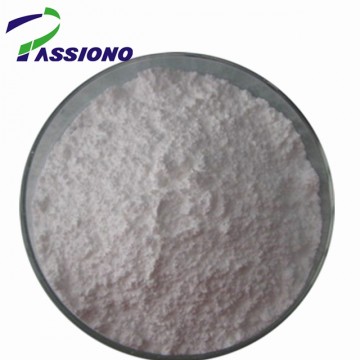
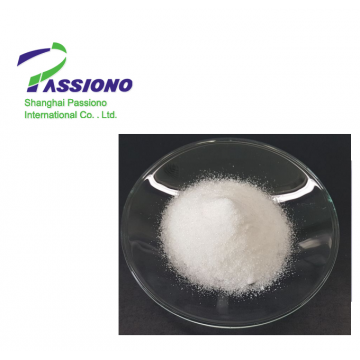
White crystal |
white crystal |
|
Odor: |
Pure |
Pure |
|
Assay: |
99.0% Min |
99.58% |
|
Melting Point: |
81.5 – 84.0 |
82.1 - 83.8 |
|
Heavy Metal(as Pb): |
10 ppm Max. |
Conform |
|
As: |
3 ppm Max. |
Conform |



 (All Rights Reserved) (All Rights Reserved)