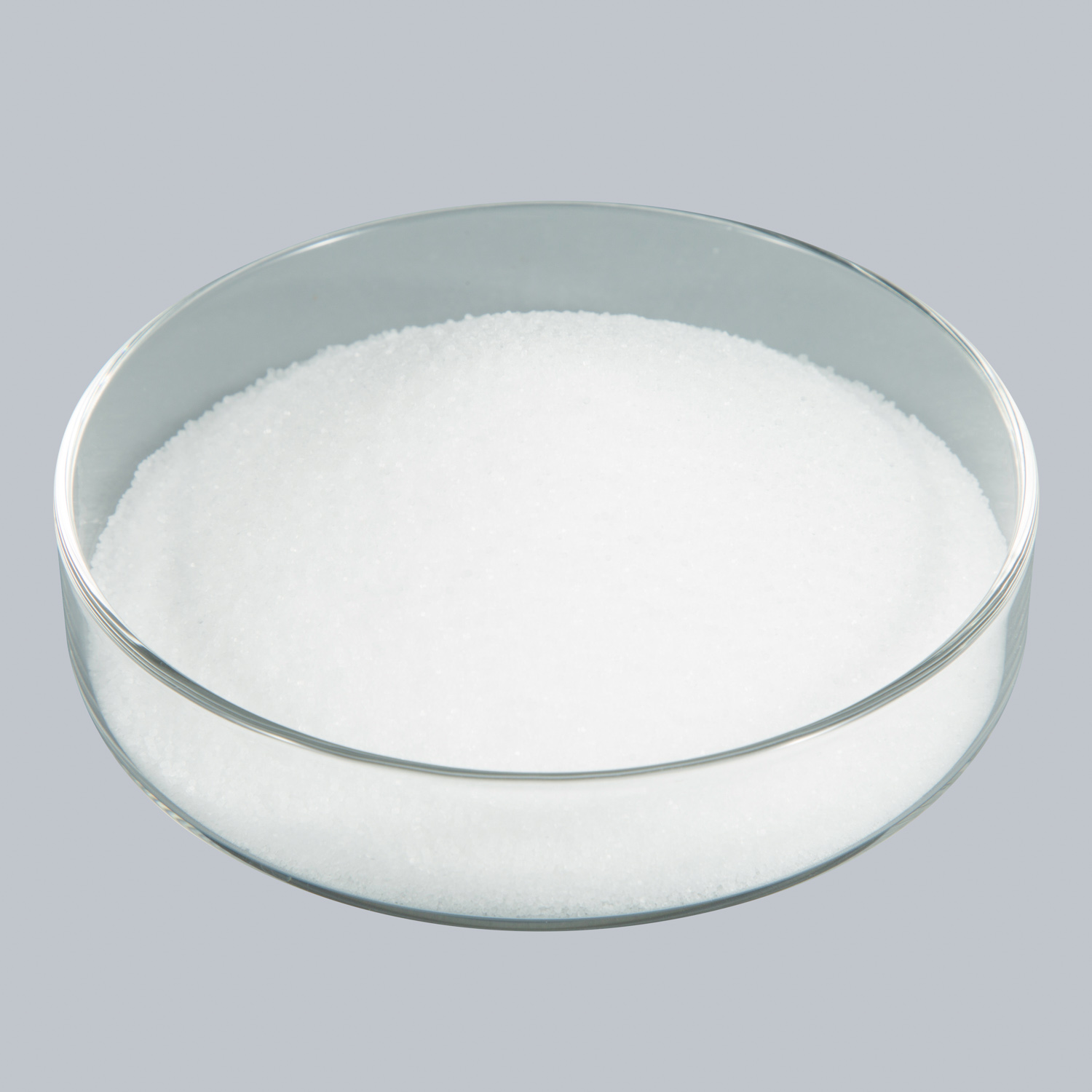
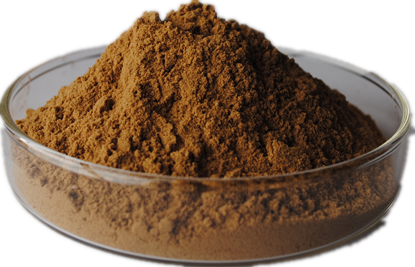
Product Description
please call me ,to know more
AI Product Description
*The following content is generated by AI and is for reference only.
Qingyangshengenin is a bioactive alkaloid derivative primarily isolated from the roots of *Aconitum* species, particularly within the Qingyang region of China. While specific commercial databases may list this compound under various synonyms or as a semi-synthetic analog, its core structure typically belongs to the diterpenoid alkaloid family, characterized by a complex polycyclic framework containing nitrogen. The exact molecular formula and CAS number can vary depending on the specific degree of oxidation or acetylation in the derivative being referenced; however, related compounds in this class often share structural motifs such as C20H27NO3 or similar variations with CAS identifiers ranging in the 50,000 to 90,000 series for specific aconitine derivatives. It is crucial to note that many *Aconitum*-derived substances are potent neurotoxins if not properly processed, requiring strict regulatory oversight.
In terms of applications, Qingyangshengenin and its congeners have been investigated extensively in traditional Chinese medicine (TCM) for their analgesic and anti-inflammatory properties. Historically, these compounds were utilized to treat rheumatism, arthritis, and severe pain, although modern pharmacology emphasizes the narrow therapeutic index associated with them. Current research focuses on synthesizing safer analogs that retain analgesic efficacy while minimizing cardiotoxicity and neurotoxicity. Beyond medical use, some derivatives serve as chemical probes in neuroscience to study voltage-gated sodium channels, helping scientists understand the mechanisms of nerve impulse transmission. Additionally, due to their structural complexity, they are sometimes employed in organic synthesis laboratories as chiral building blocks for developing new pharmaceutical agents. Despite their potential, the handling of Qingyangshengenin requires specialized safety protocols due to the inherent risks of raw aconite alkaloids. Regulatory bodies globally classify unprocessed forms as hazardous, limiting their use to licensed research facilities and approved clinical trials where rigorous quality control ensures patient safety. As research advances, the goal remains to harness the therapeutic benefits of this unique natural product while mitigating its dangerous side effects through precise chemical modification and dosage control.





 (All Rights Reserved)