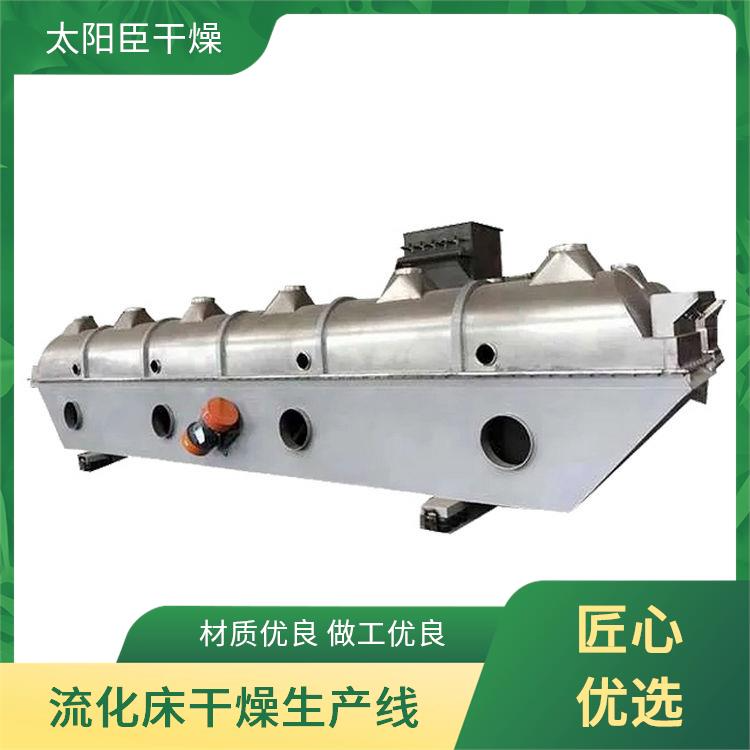
Product Description
The equipment can meet different need of raw materials.Besides the mentioned raw materials in basic model,there are hyminal,A.B.C intermediate,ABS resin,white carbon black,tea,catalyst of oxailc acid
AI Product Description
*The following content is generated by AI and is for reference only.
Industrial air dryers are essential components in compressed air systems, designed to remove moisture and particulate contaminants from the air stream. Their primary function is to lower the dew point of compressed air, ensuring that the gas remains dry before it enters pneumatic tools, instruments, or manufacturing processes. Without this critical step, water vapor can condense within pipes and equipment, leading to rust, corrosion, freezing in cold environments, and damage to sensitive machinery. This degradation often results in costly downtime, reduced product quality, and increased maintenance expenses across various industries such as automotive, pharmaceuticals, food processing, and electronics manufacturing.
These devices typically operate using refrigeration cycles or desiccant materials to separate water from the air. Refrigerated models cool the air to condense moisture, which is then drained away, while desiccant types use adsorbent media to absorb humidity, achieving much lower dew points for specialized applications. Proper selection depends on the specific environmental conditions and the required air quality standards for the end-use application.
When operating these units, several precautions must be observed to ensure safety and longevity. Regular maintenance is paramount; filters must be cleaned or replaced, and drain valves should be inspected to prevent blockages that could cause pressure buildup. Operators must ensure adequate ventilation around the unit to dissipate heat generated during the drying process. Electrical connections should always be secured according to local codes to prevent short circuits or fires. Furthermore, the system requires correct sizing; an undersized dryer will fail to handle the volume of air, while an oversized unit may cycle inefficiently. It is also crucial to monitor inlet air temperature, as excessively hot air can overwhelm the cooling capacity, reducing efficiency. Finally, never bypass safety valves or pressure relief mechanisms, as they protect the system from dangerous over-pressurization events. Adhering to manufacturer guidelines regarding installation height, orientation, and ambient temperature ranges ensures optimal performance and extends the service life of the equipment significantly.




 (All Rights Reserved)