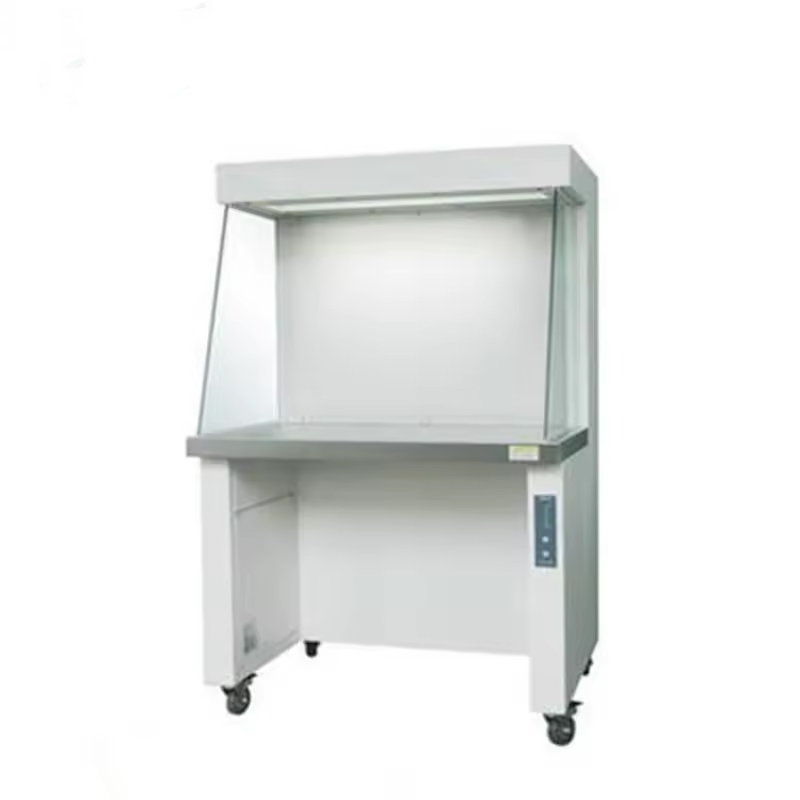
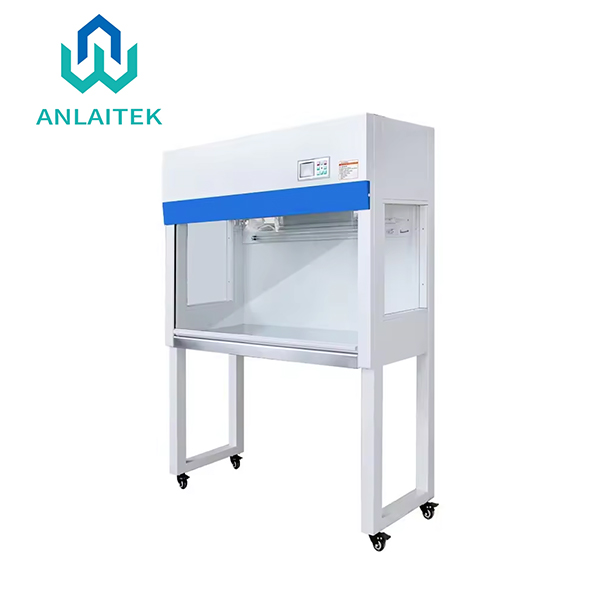
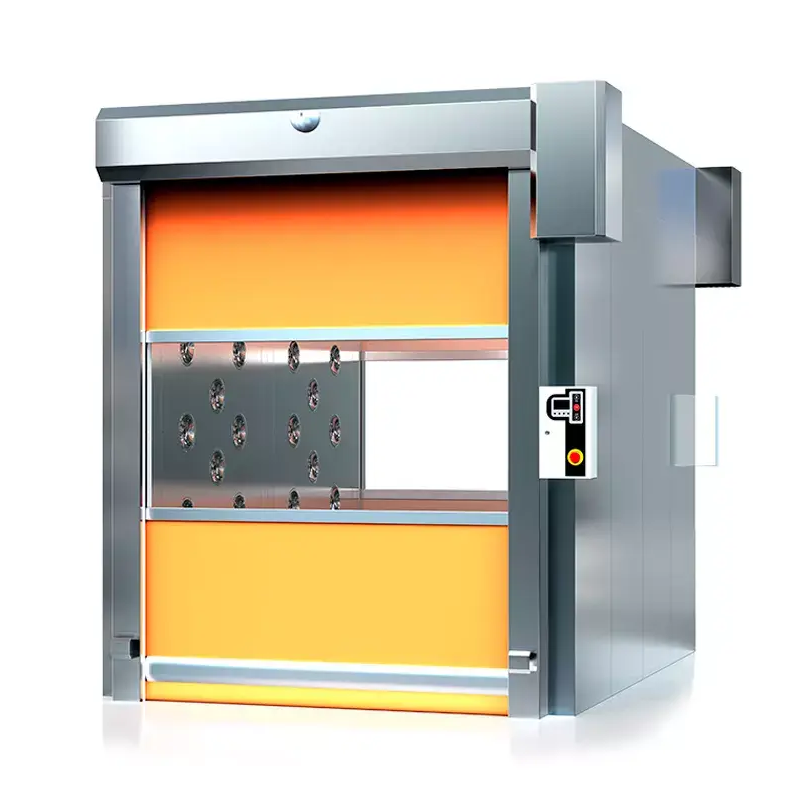
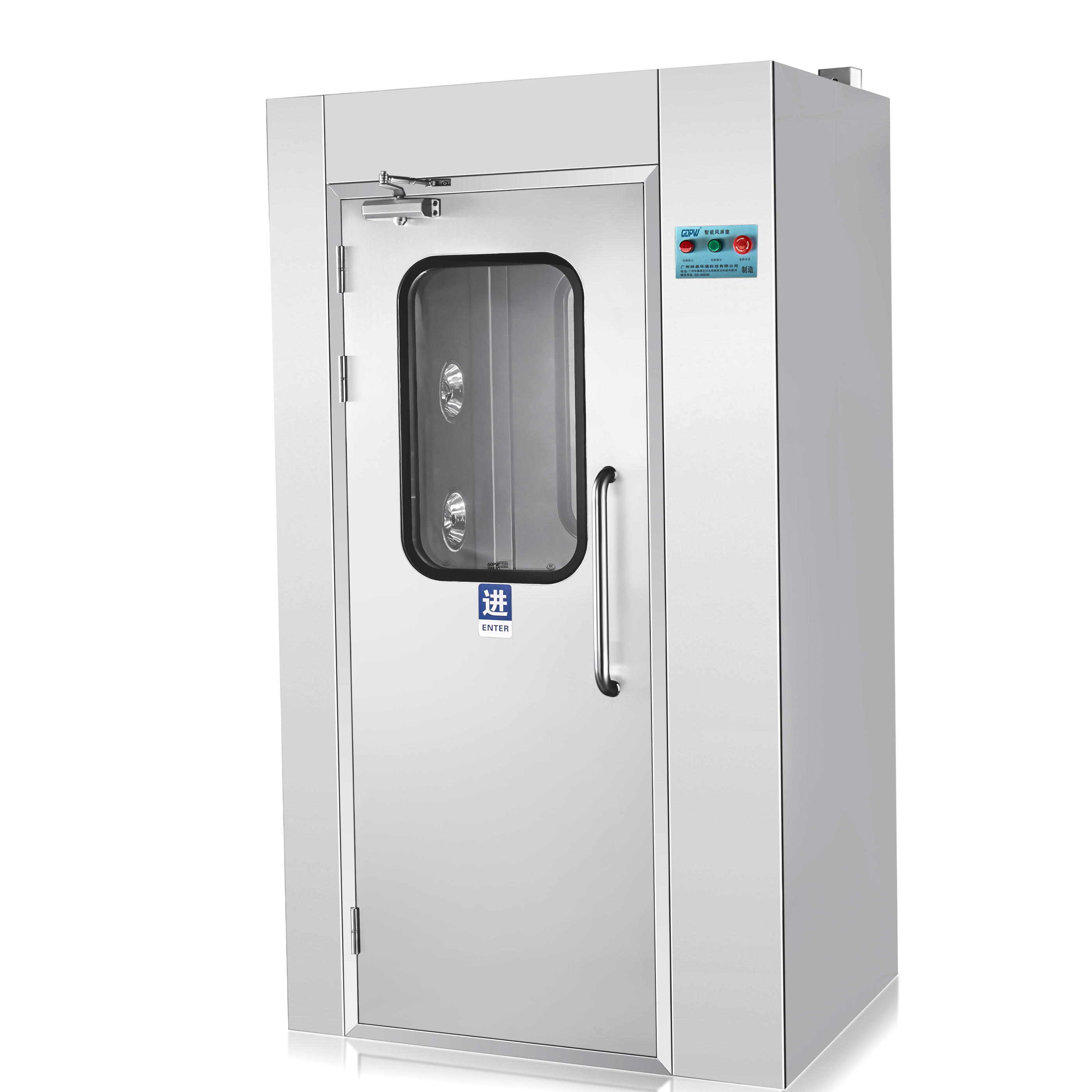
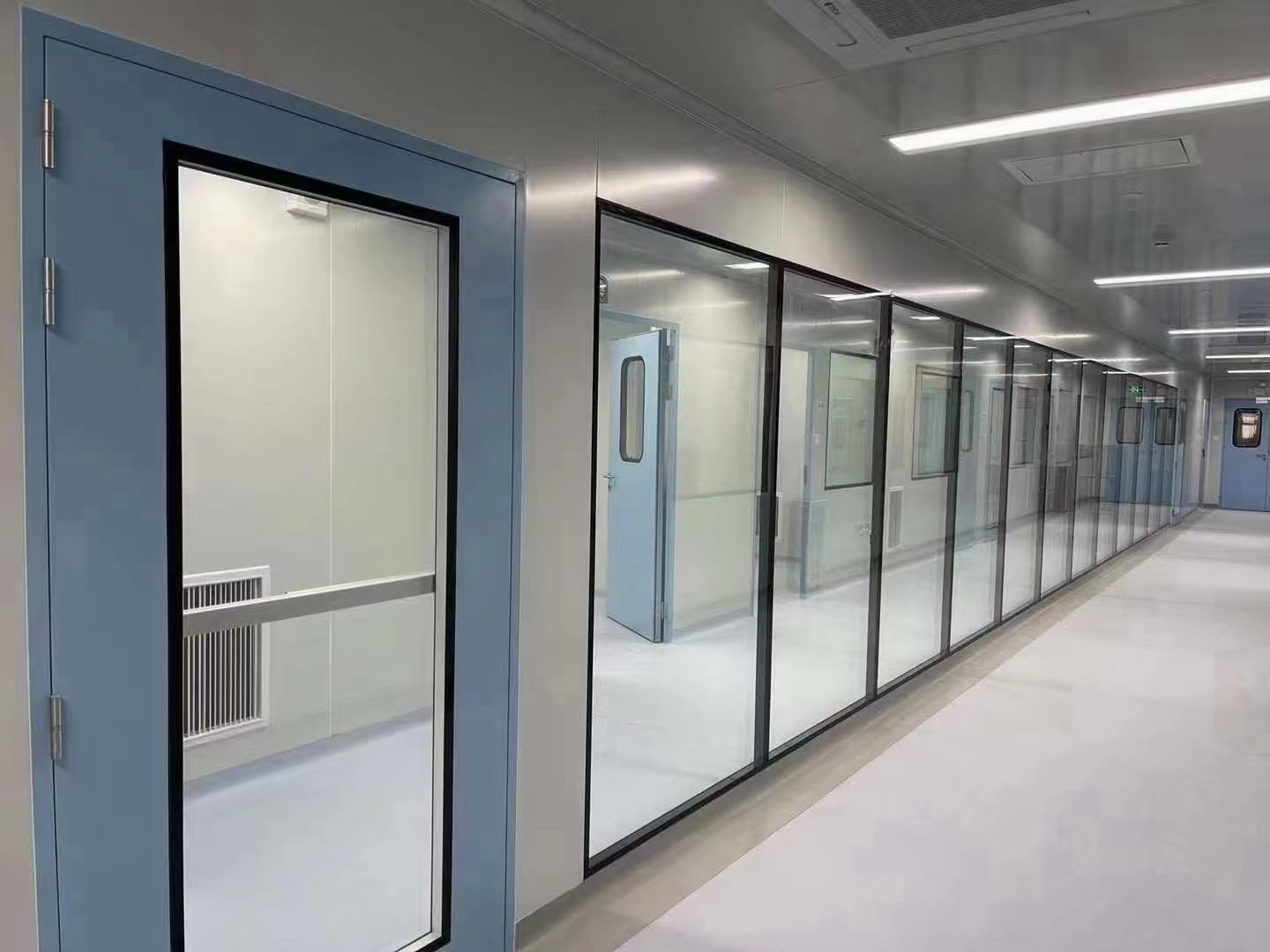
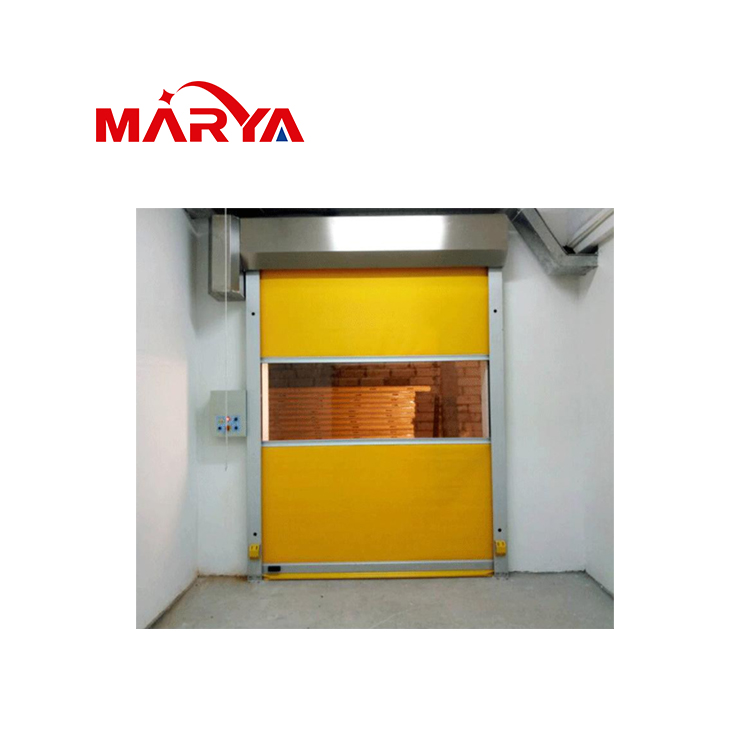
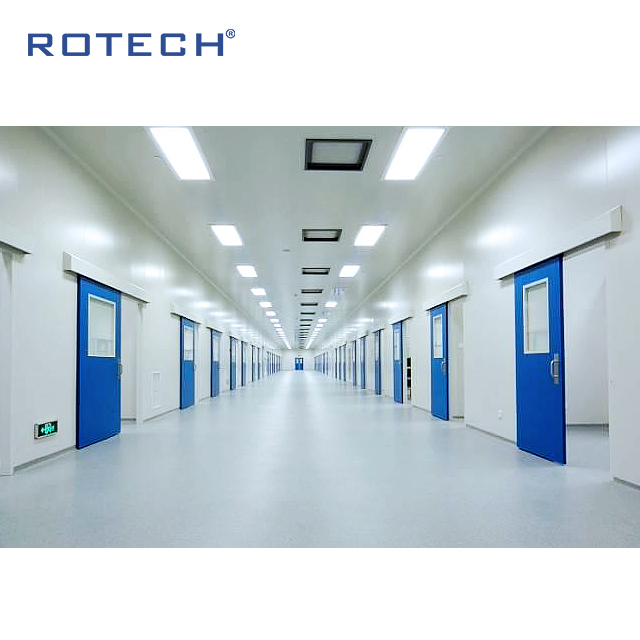
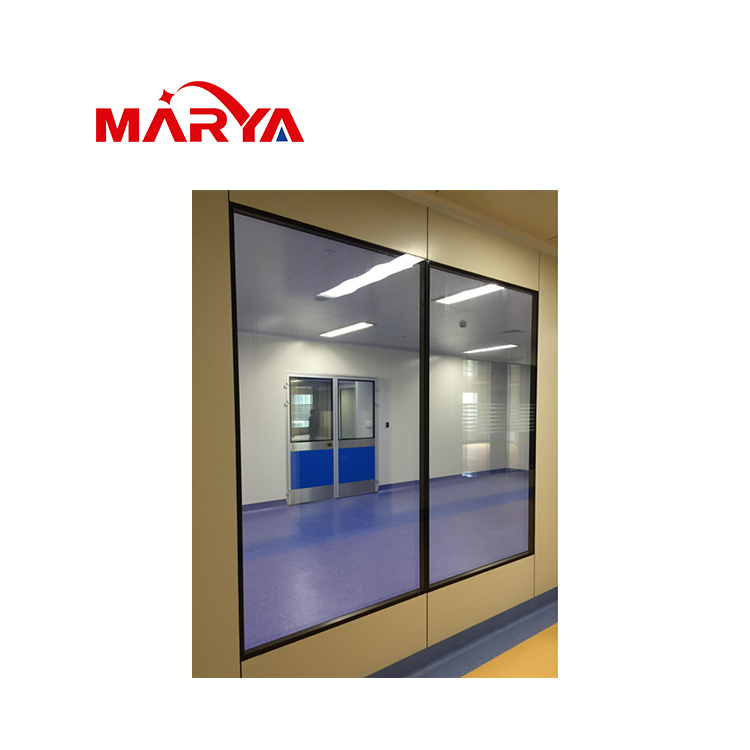
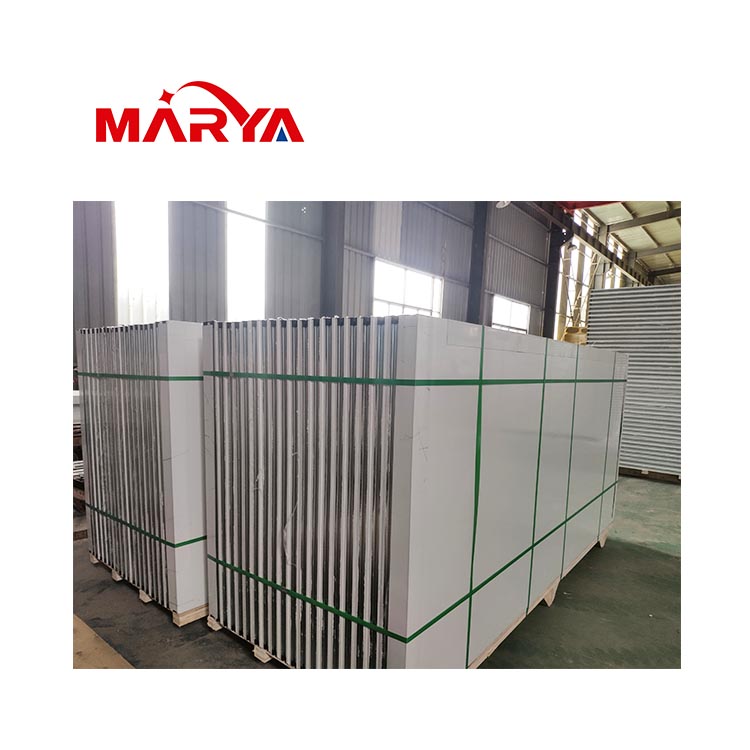
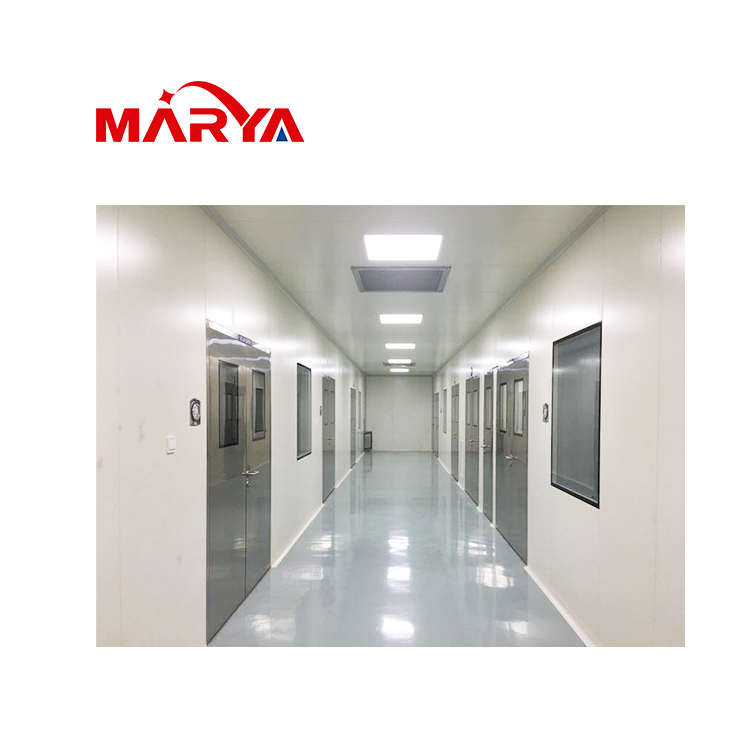
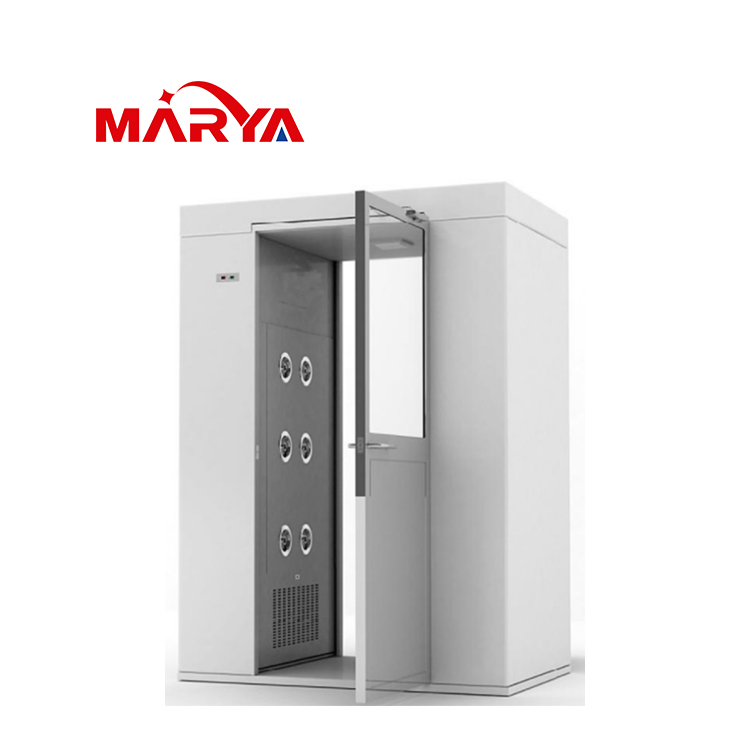
It is widely used in industries with stringent sanitary requirements, including: electronics, precision instruments, pharmaceuticals, food processing, printing and packaging, automobile manufacturing, air shower rooms, clean workshops, warehousing and logistics, Welding operations, and paint treatment. It enables rapid operation while preventing dust/mosquito ingress, improving work efficiency, and reducing energy consumption.
*The following content is generated by AI and is for reference only.
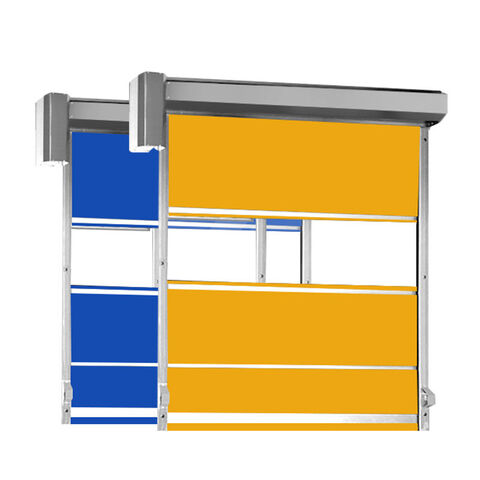
High-speed industrial doors are critical components in modern logistics and manufacturing environments, designed to maintain optimal climate control while ensuring rapid traffic flow. These durable barriers feature a flexible curtain that rolls up quickly into a compact housing above the opening, minimizing air exchange between different zones. Their primary function is to separate areas with varying temperature or humidity requirements, such as cold storage facilities, food processing plants, and pharmaceutical warehouses, thereby reducing energy costs and preventing contamination.
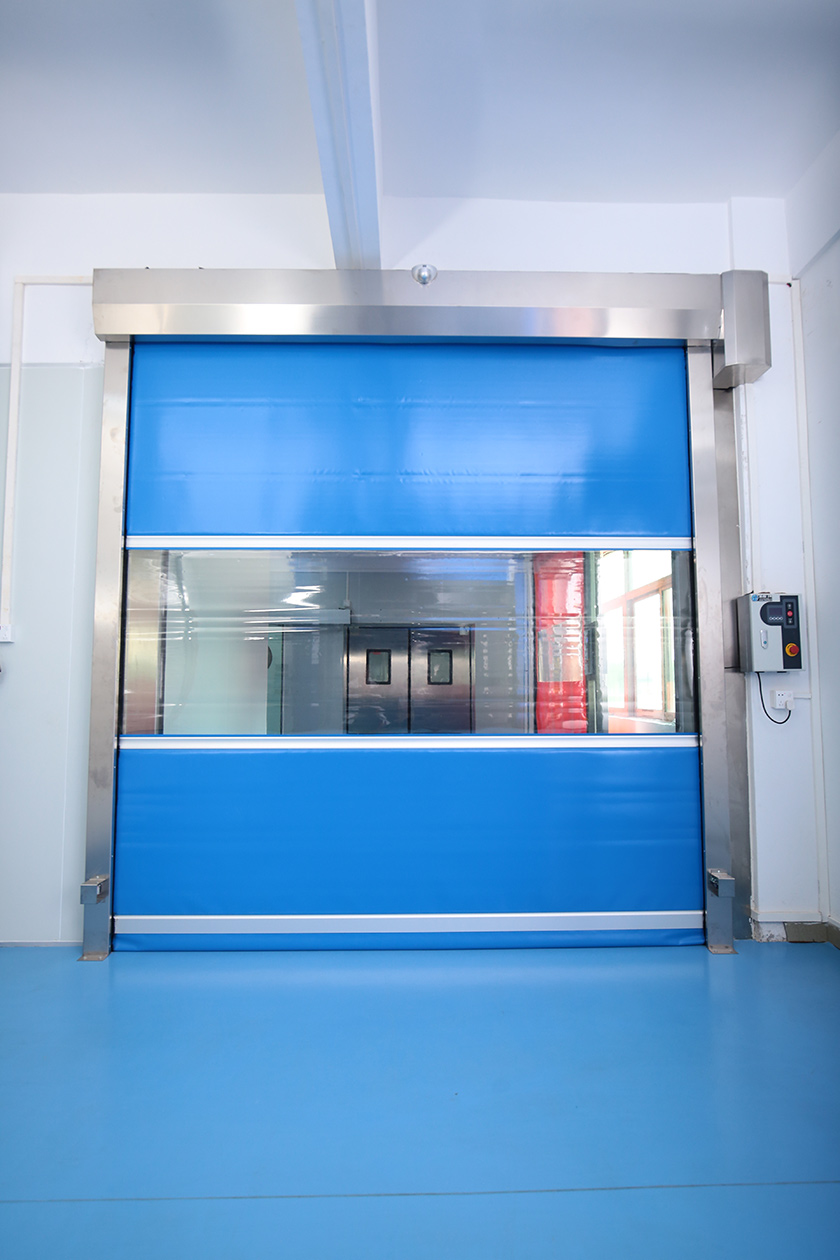
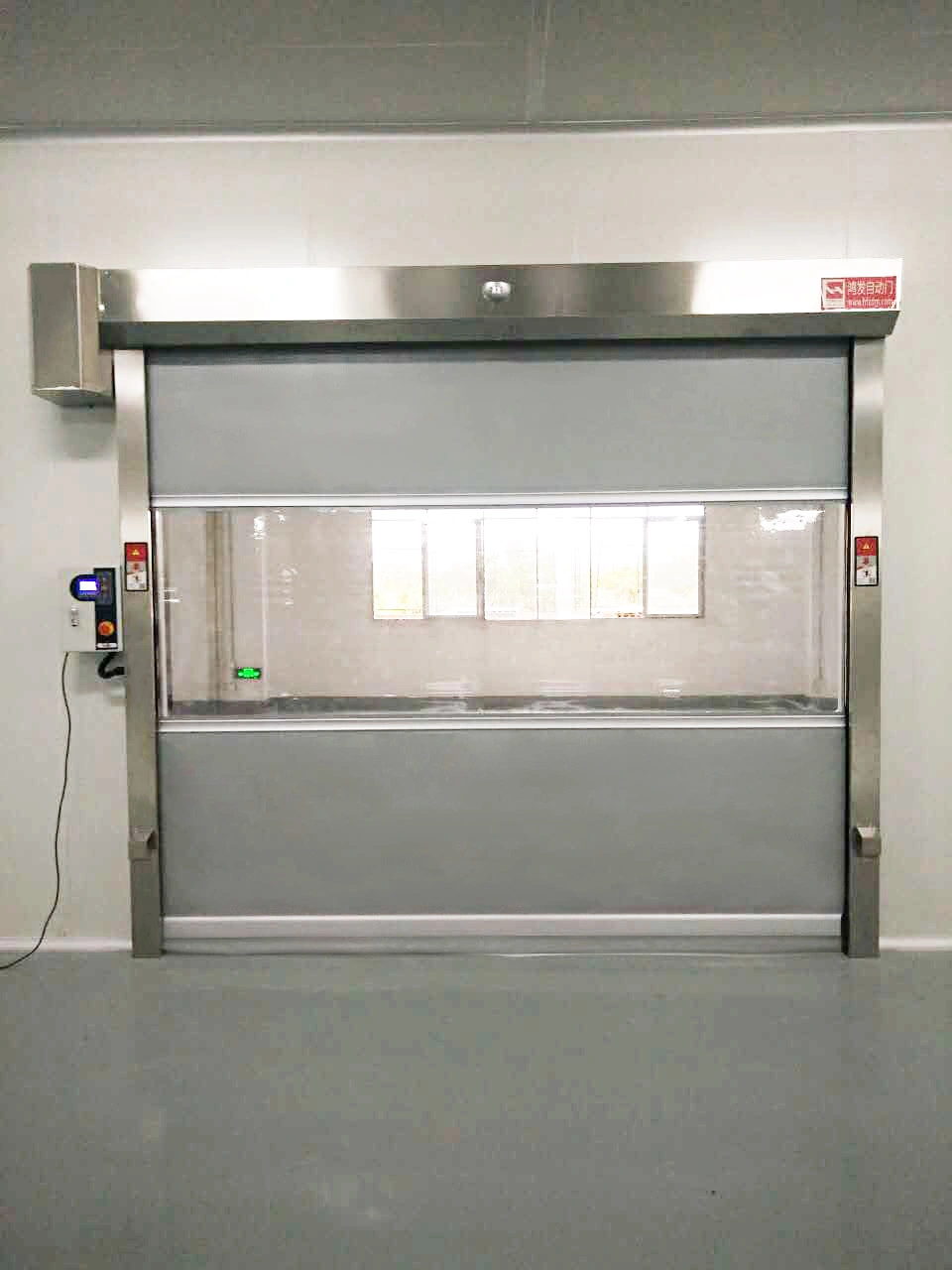
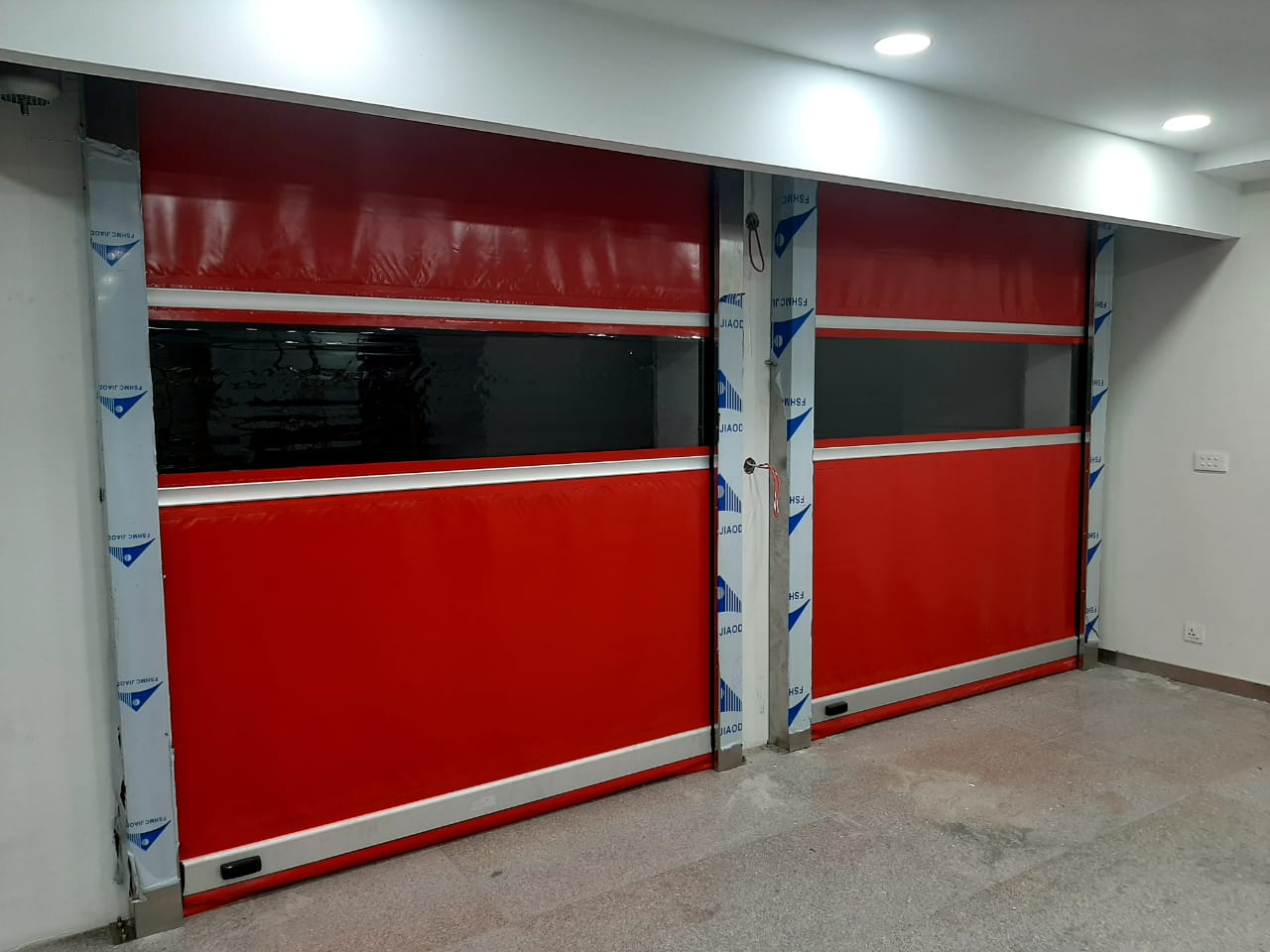
Unlike traditional slow-moving doors, these units operate at speeds ranging from 0.5 to 2 meters per second, significantly improving operational efficiency by allowing frequent passage of forklifts, pallet jacks, and personnel without creating bottlenecks. The curtains are typically constructed from high-tensile PVC fabric reinforced with internal fiberglass strips, offering exceptional resistance to tearing, abrasion, and chemical exposure. Many models include transparent viewing windows to enhance safety by allowing operators to see approaching vehicles before entering the zone.
Safety is paramount in their design. Advanced sensors, including photocells and radar systems, detect obstacles immediately and trigger an emergency stop or reverse motion to prevent damage to goods or injury to staff. Additionally, side guides ensure smooth vertical movement, preventing the door from swaying during high-wind conditions or heavy usage. Regular maintenance is essential; users should inspect seals for wear, lubricate moving parts according to manufacturer guidelines, and test safety sensors weekly to ensure reliable operation. Proper installation on a level frame is also crucial to avoid premature wear on the rolling mechanism. By integrating these robust systems, facilities can achieve significant improvements in productivity, energy conservation, and overall workplace safety standards.



 (All Rights Reserved)