Product Description
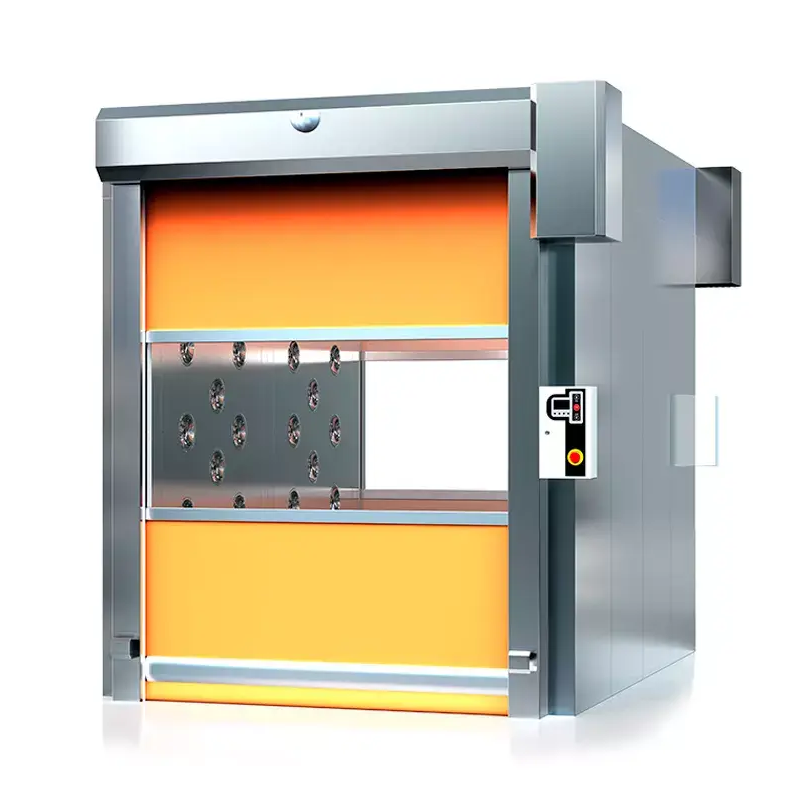
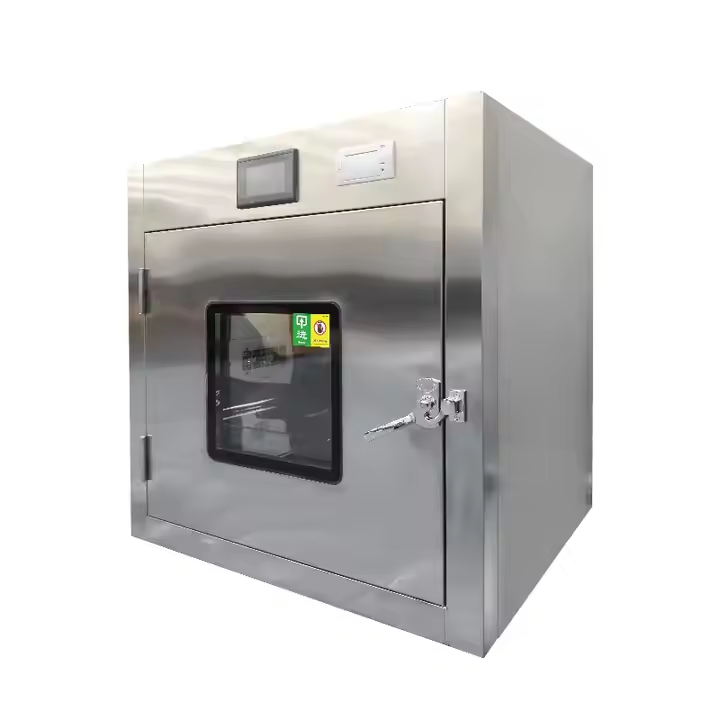
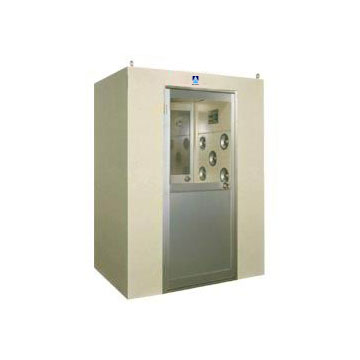
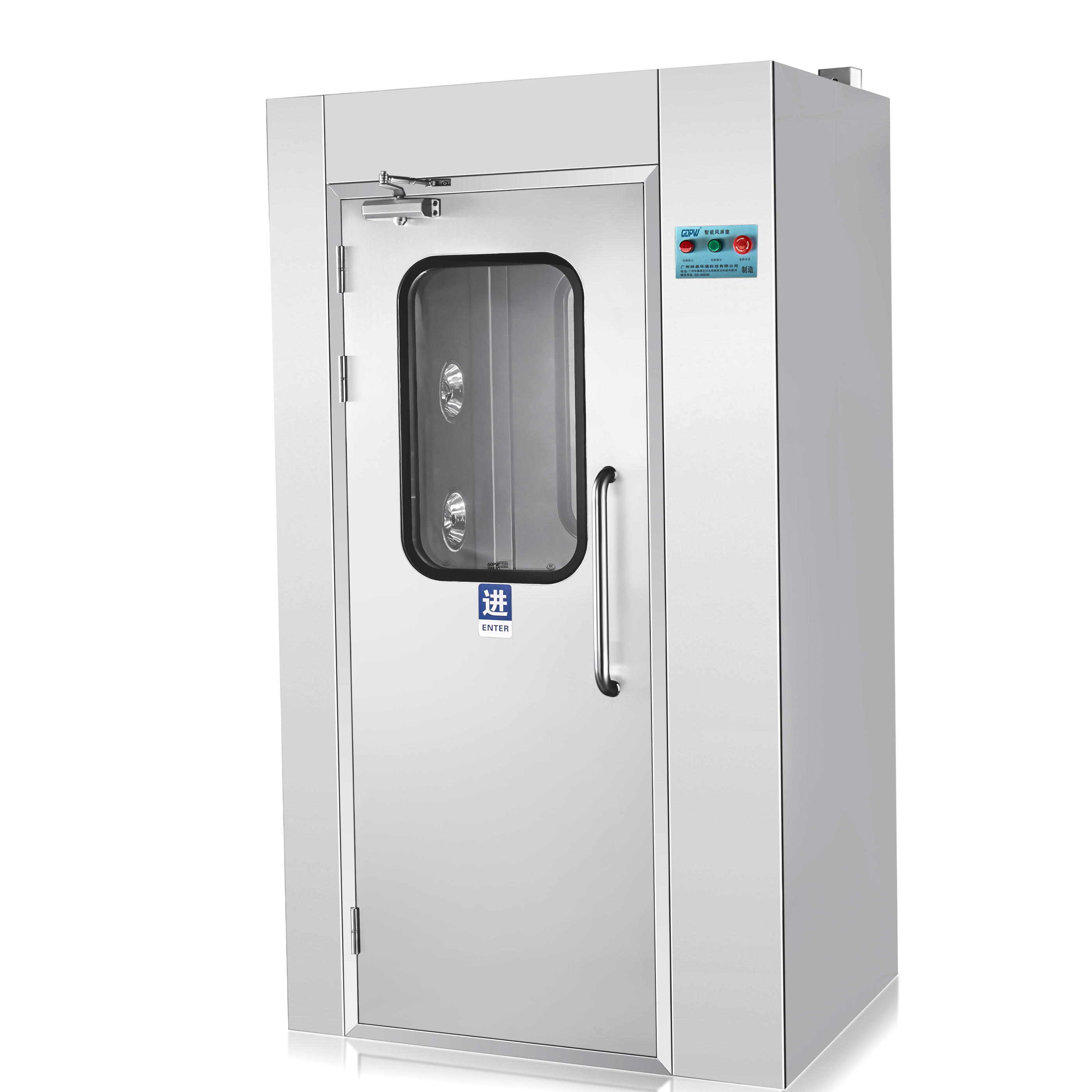
The air shower is a purificationdevice used toclean workers beforethey enter a dust-free cleanroom.High-speed airflow generated by the air shower removes particles from the surface of clothing or materials, preventing hair and dust from entering the cleanroom. This helps meet strict cleanliness standards and reduces contamination caused by workers entering and exiting the controlled environment.
AI Product Description
*The following content is generated by AI and is for reference only.
The device described is a specialized environmental control unit commonly known as an air shower cabinet or cleanroom air shower. Its primary function is to remove particulate contamination from personnel and materials before they enter a controlled environment, such as semiconductor fabrication labs, pharmaceutical production facilities, hospitals, or biotechnology research centers. By utilizing high-velocity, filtered air jets directed at the body from multiple angles, the system effectively dislodges dust, fibers, and other microscopic particles adhering to clothing and skin. This process ensures that the critical cleanliness standards of the adjacent sterile zone are maintained, preventing cross-contamination that could compromise product quality, patient safety, or experimental results.
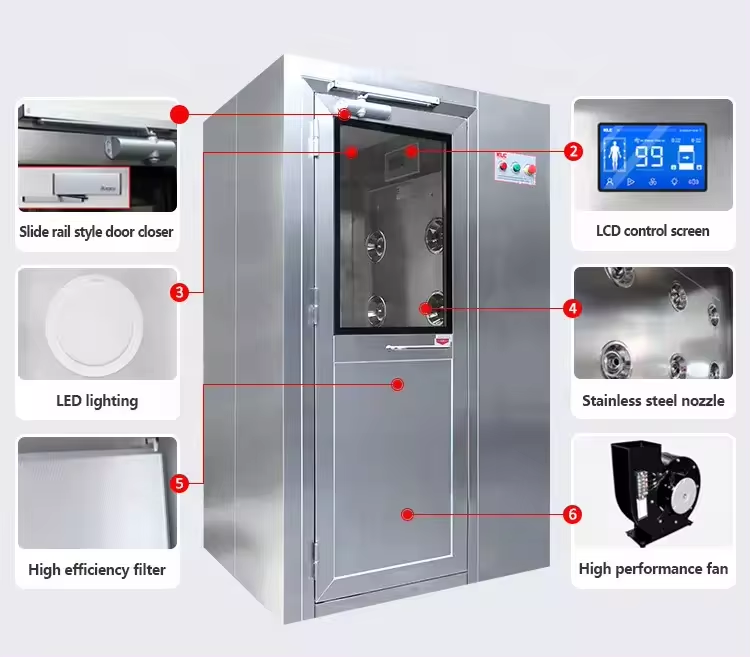
These units typically operate by drawing ambient air through pre-filters, passing it through high-efficiency particulate air (HEPA) filters to remove 99.97% of particles as small as 0.3 microns, and then expelling the purified air through nozzles arranged in rows on the ceiling, floor, and walls. The duration of the cycle is usually programmable, ranging from ten to thirty seconds, depending on the specific contamination levels and facility protocols.
Several critical operational precautions must be observed to ensure efficiency and safety. Users should always stand still with arms slightly raised during the cycle to allow unobstructed airflow across all surfaces of the body. Clothing must be properly fitted; loose garments can trap contaminants or interfere with the air stream. It is vital to ensure that the interlocking doors function correctly, preventing both doors from opening simultaneously, which would breach the pressure differential essential for maintaining the cleanroom environment. Regular maintenance is also paramount; filter integrity must be checked frequently, and airflow velocity should be verified periodically using calibrated anemometers. Furthermore, operators must never bypass safety sensors or force the doors open, as this can lead to significant contamination events and potential equipment damage. Proper training for all users regarding these protocols is essential for the long-term reliability of the cleanroom infrastructure.



 (All Rights Reserved)