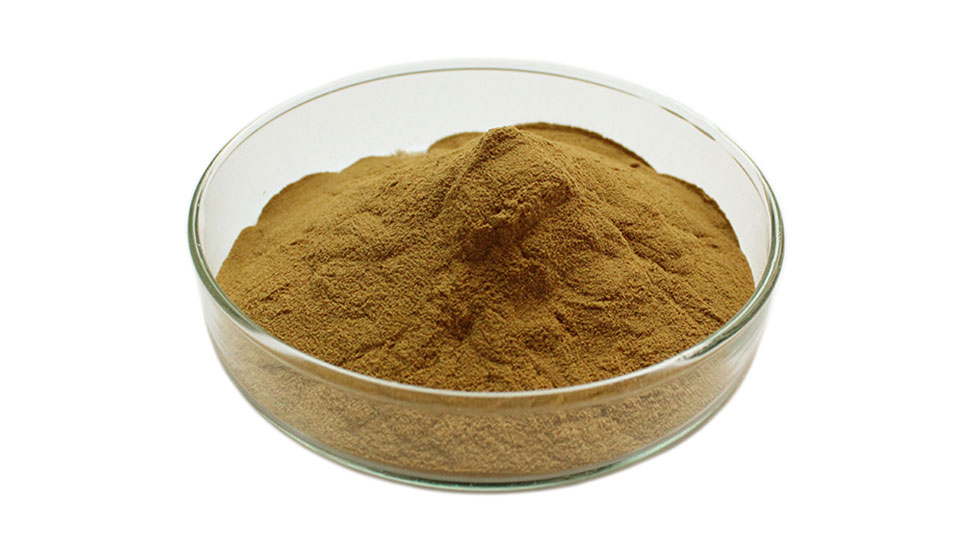
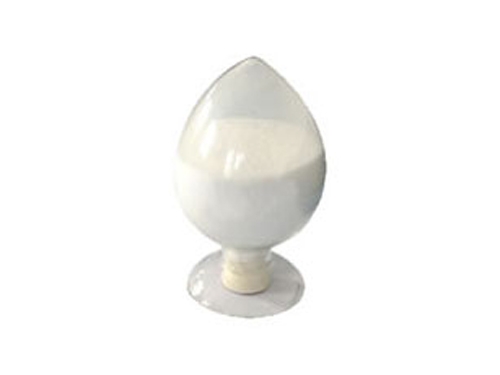
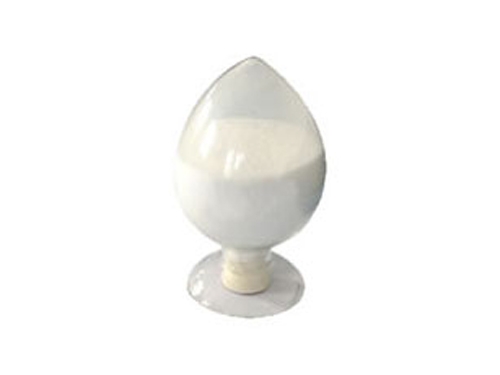
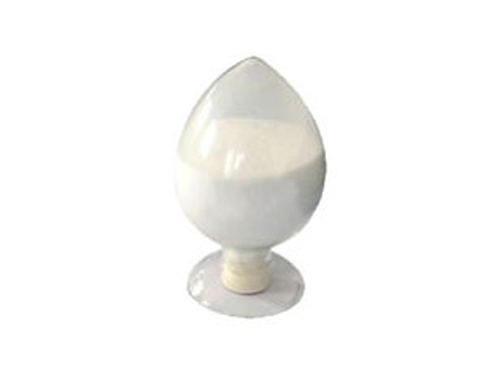
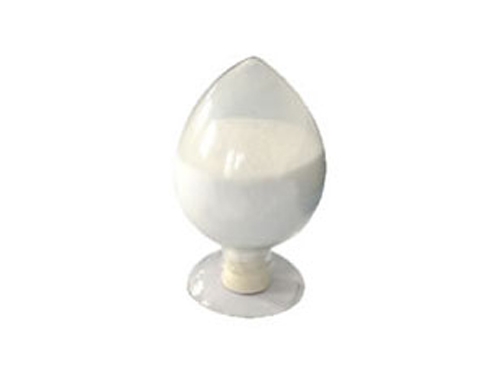
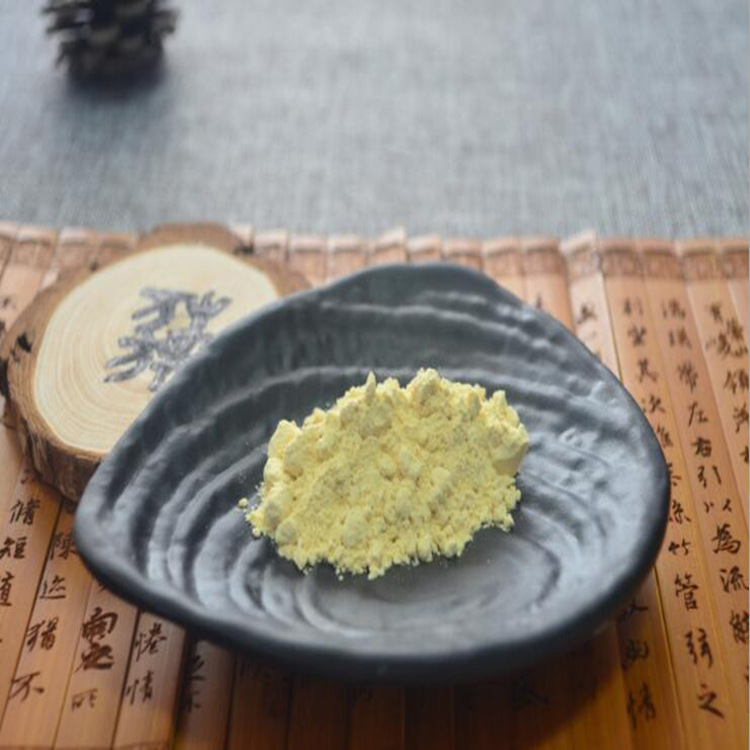
Pumpkin seeds protein derived from cucurbitaceae plant pumpkin Cucurbita moschata Duch.) (Poiret. Mature seeds, pumpkin seeds, also known as pumpkin kernels, white melon seeds, yellow melon seeds, etc.
Pumpkin seeds rich nutrients, fatty about 50 % protein 30 %-40% after degreasing pumpkin seeds protein content can reach more than 60 %, and its protein amino acid composition is rich, is a good source of plant protein.
*The following content is generated by AI and is for reference only.
Pumpkin seed protein is a high-quality, plant-based nutritional ingredient derived from the seeds of *Cucurbita pepo*, commonly known as pumpkin. Unlike many synthetic compounds, it is a complex mixture of various proteins rather than a single molecular entity with a fixed chemical formula or a unique CAS number. Consequently, regulatory databases do not assign a specific CAS identifier to "pumpkin seed protein" itself; instead, individual protein fractions within the extract may have distinct identifiers. The primary amino acid profile includes significant amounts of arginine, glutamic acid, and aspartic acid, making it an excellent source of essential nutrients for human consumption.
This versatile ingredient is increasingly popular in the food industry due to its functional properties and clean-label appeal. It serves as a superior alternative to animal-derived proteins in meat analogs, dairy-free beverages, and baked goods. Its ability to form stable emulsions and gels allows manufacturers to improve texture and water-holding capacity in plant-based formulations without compromising flavor. Furthermore, pumpkin seed protein is naturally free from common allergens like gluten, soy, and lactose, catering to consumers with specific dietary restrictions.
Beyond direct food applications, this protein is utilized in the cosmetic sector for its moisturizing and skin-repairing benefits, often incorporated into hair care products and facial masks to enhance elasticity. In the pharmaceutical field, research suggests potential therapeutic properties related to cardiovascular health and prostate support, attributed to the synergistic effect of proteins combined with bioactive lipids and phytosterols naturally present in the seed matrix. As global demand shifts toward sustainable and ethically sourced nutrition, pumpkin seed protein stands out as a promising candidate for next-generation food systems. Its production supports agricultural waste valorization, turning seasonal crop byproducts into valuable economic assets. With its neutral taste profile and robust nutritional density, it remains a cornerstone ingredient for innovators developing the future of healthy, plant-forward diets worldwide.




 (All Rights Reserved)