Mechanism of action:
The strongly positively charged protamine binds to the negatively charged heparin to form a stable complex that rapidly neutralizes the anticoagulant effect of heparin (1 mg of protamine can neutralize about 100 U of heparin).
At low concentrations, it has weak anticoagulant activity (inhibition of thrombin production).
Indications:
Reverse heparin overdose (especially after heart surgery and dialysis).
Flushing of heparinized catheters or instruments.
*The following content is generated by AI and is for reference only.
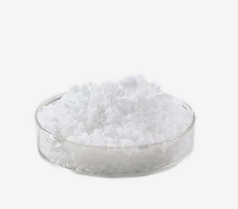
Protamine Sulfate is a biologically active protein derived from the sperm of fish, most commonly salmon and herring. It serves as a critical anticoagulant reversal agent in clinical medicine, specifically designed to neutralize the effects of heparin, a widely used blood thinner. The molecular formula of Protamine Sulfate is generally represented as (C13H24N6O5S)n·H2SO4, reflecting its complex polymeric nature composed primarily of arginine residues. Its CAS number is 9007-86-1, which identifies this specific salt form for regulatory and pharmaceutical tracking purposes.
The primary mechanism of action involves the strong electrostatic interaction between the highly basic protamine molecules and the acidic heparin chains. This binding forms a stable, inactive complex that effectively terminates the anticoagulant activity of heparin, thereby restoring normal blood clotting function. This property makes Protamine Sulfate indispensable during cardiac surgeries, such as coronary artery bypass grafting, where high doses of heparin are administered to prevent clotting within the extracorporeal circuit. Upon completion of the procedure, protamine is administered intravenously to rapidly reverse heparinization and minimize bleeding risks.
Beyond its role as a direct antidote, Protamine Sulfate finds applications in other medical and research fields. It is utilized in ophthalmology to treat allergic conjunctivitis due to its ability to stabilize mast cells and reduce histamine release. Additionally, it is employed in gene delivery systems and DNA precipitation protocols in laboratory settings because of its capacity to condense nucleic acids. While generally safe when dosed correctly, administration requires careful monitoring as rapid injection can lead to severe adverse reactions, including hypotension, bradycardia, and pulmonary vasoconstriction. Patients with a history of fish allergies or those who have undergone vasectomy may exhibit heightened sensitivity. Despite these considerations, Protamine Sulfate remains a cornerstone drug in modern anesthesiology and hematology, ensuring patient safety during procedures involving systemic anticoagulation. Its unique origin from marine sources combined with its potent biochemical properties underscores its continued importance in global healthcare standards.


![6-broMo-2-chloro-8-cyclopentyl-5-Methylpyrido[2,3-d]pyriMidin-7(8H)-one](https://eimg.pharmasources.com/image/20250617/4zoOybJjzUTk0UgguabMkX7VnrDIlxHluERwqkjK.jpg)




 (All Rights Reserved)