Product Description
Pregabalin 148553-50-8
AI Product Description
*The following content is generated by AI and is for reference only.
Pregabalin, widely known by its brand name Lyrica, is a potent pharmaceutical agent primarily classified as an anticonvulsant and neuropathic pain medication. Its molecular formula is C8H17NO2, and it carries the unique Chemical Abstracts Service (CAS) registry number 148553-50-8. Structurally, pregabalin is a gamma-amino acid analogue of the neurotransmitter GABA, though it does not bind directly to GABA receptors. Instead, it exerts its therapeutic effects by binding with high affinity to the alpha-2-delta subunit of voltage-gated calcium channels in the central nervous system. This specific interaction inhibits the influx of calcium into presynaptic neurons, thereby reducing the release of several excitatory neurotransmitters, including glutamate, norepinephrine, and substance P.
Clinically, pregabalin is indicated for the management of neuropathic pain associated with diabetic peripheral neuropathy, postherpetic neuralgia, and spinal cord injury. It is also approved as adjunctive therapy for partial-onset seizures in adults with epilepsy and for generalized anxiety disorder in certain jurisdictions. Furthermore, it plays a significant role in treating fibromyalgia. The drug is rapidly absorbed after oral administration, reaching peak plasma concentrations within one hour, and exhibits linear pharmacokinetics without protein binding or hepatic metabolism, being eliminated unchanged primarily via renal excretion. While highly effective, pregabalin requires careful dosing adjustments in patients with renal impairment. Common side effects include dizziness, somnolence, dry mouth, and peripheral edema. Due to its potential for abuse and dependence, it is classified as a Schedule V controlled substance in the United States and similarly regulated in other countries. Despite these risks, it remains a cornerstone treatment for chronic pain conditions where traditional analgesics often fail, offering patients significant relief and improved quality of life through its unique mechanism of action on neuronal excitability.

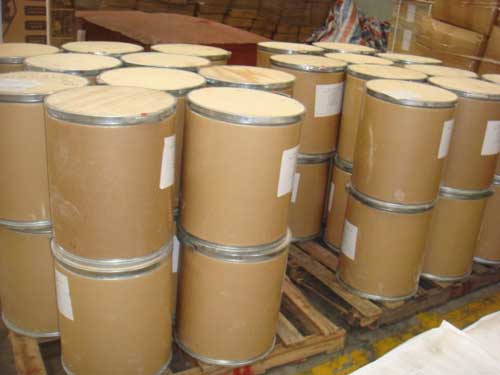




 (All Rights Reserved)



![(3R)-3-Amino-1-[3-(Trifluoromethyl)-5,6,7,8-Tetrahydro-1,2,4-Triazolo[4,3-A]Pyrazin-7-yl]-4-(2,4,5-T](https://eimg.pharmasources.com/image/product/20250402/e43f5153f3b91f760fdee40247460568jpg)

![3-(Trifluoromethyl)-5,6,7,8-Tetrahydro-[1,2,4]Triazolo[4,3-a]Pyrazine HCL](https://eimg.pharmasources.com/image/product/20250402/8ae4dd18f1fe219e41ad63ce9b3306d7jpg)

![4-[[[[6-[(Diethylamino)methyl]-2-naphthalenylmethoxy]carbonyllaminolbenzoic acid](https://eimg.pharmasources.com/image/20241206/xJCFsdgfMrHzqjtgeOixhGQHgVbKi7kAcoEqemzE.jpg)