Product Description
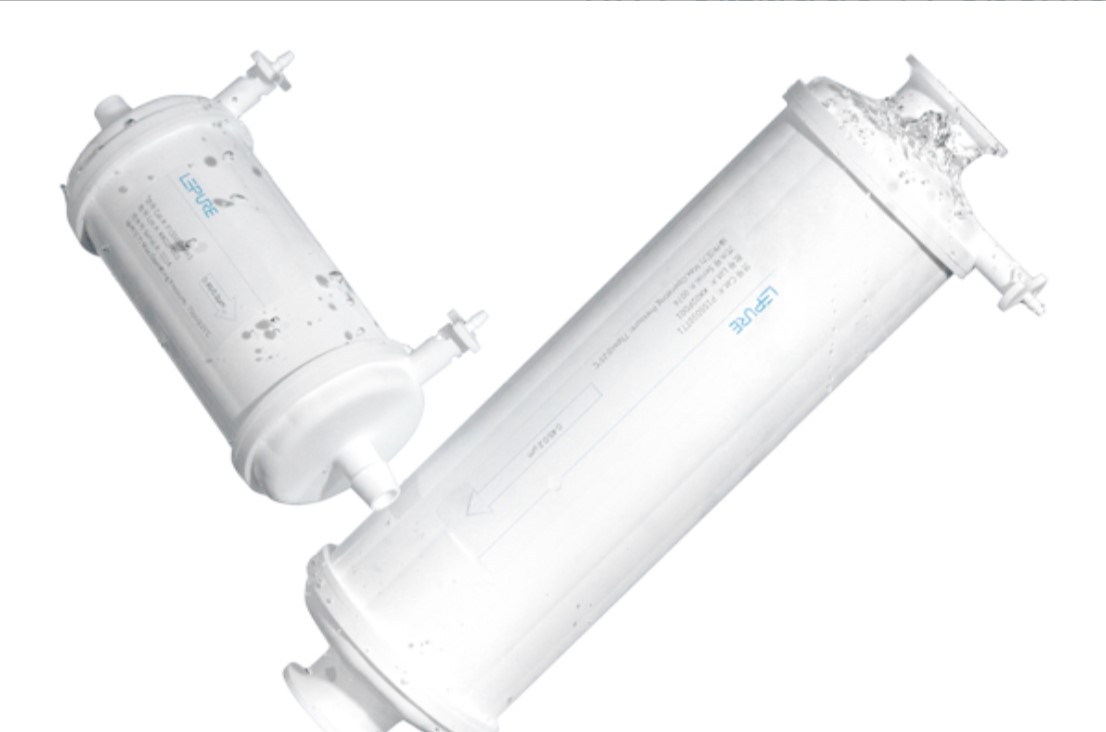
PP filters are made from polypropylene (PP) material, utilizing polypropylene melt-blown fiber membrane. They exhibit excellent chemical stability and high-temperature resistance. PP combines low cost with high-efficiency filtration characteristics, featuring high flux, long life, and excellent resistance to acids, alkalis, and chemical solvents. They find wide applications in pre-filtration in industries such as biopharmaceuticals, fine chemicals, food and beverages.
AI Product Description
*The following content is generated by AI and is for reference only.
The PP Cartridge Filter, commonly known as a Polypropylene pleated filter, is a versatile water purification component widely utilized across industrial, commercial, and residential applications. Its primary function is mechanical filtration, designed to remove suspended solids, sediment, rust, silt, and other particulate matter from various liquids. Constructed from non-toxic, food-grade polypropylene, this filter offers excellent chemical resistance against a broad spectrum of acids, alkalis, and solvents, making it suitable for treating drinking water, process fluids, pharmaceutical solutions, and wastewater.
The pleated design significantly increases the surface area within a compact housing, allowing for high flow rates while maintaining efficient particle capture. This structure typically achieves micron ratings ranging from 0.5 to 100 microns, enabling users to select specific grades based on their filtration needs, from coarse pre-filtration to fine polishing. The homogeneous melt-blown or spunbond construction ensures uniform pore distribution without the use of adhesives that could leach into the filtered fluid.
Operational safety and maintenance are critical for optimal performance. First, the filter must be installed in a clean environment to prevent initial contamination. Before operation, it is essential to flush the new cartridge thoroughly to remove any loose fibers or manufacturing residues. Regular monitoring of pressure differential is necessary; a significant increase in pressure drop indicates clogging and signals the need for replacement. Operating beyond recommended pressure limits can compromise the integrity of the pleats, leading to bypass or structural failure. Furthermore, these filters are generally not designed for backwashing; once saturated, they should be replaced with a new unit. Users must also ensure compatibility with the operating temperature and chemical composition of the fluid, as extreme conditions may degrade the polypropylene material over time. Proper disposal of used cartridges according to local environmental regulations is also mandatory.





 (All Rights Reserved)