Product Description
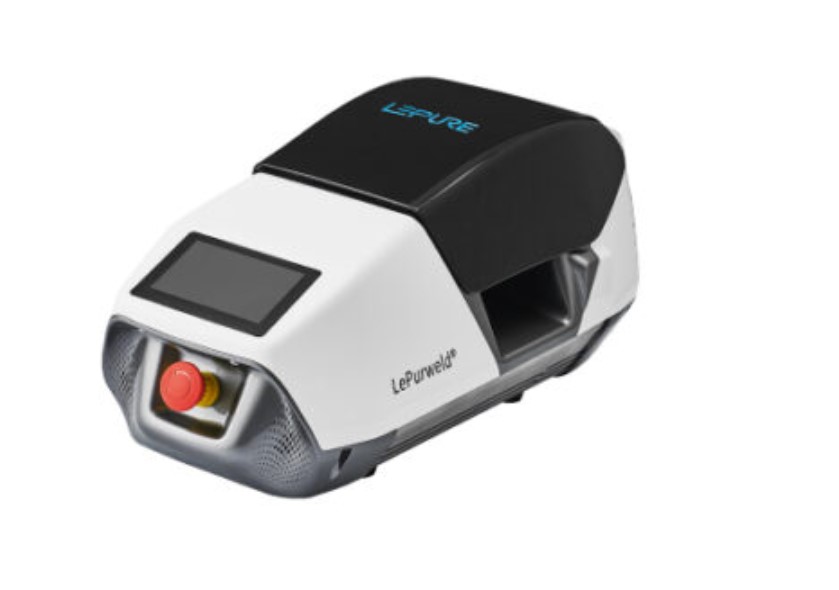
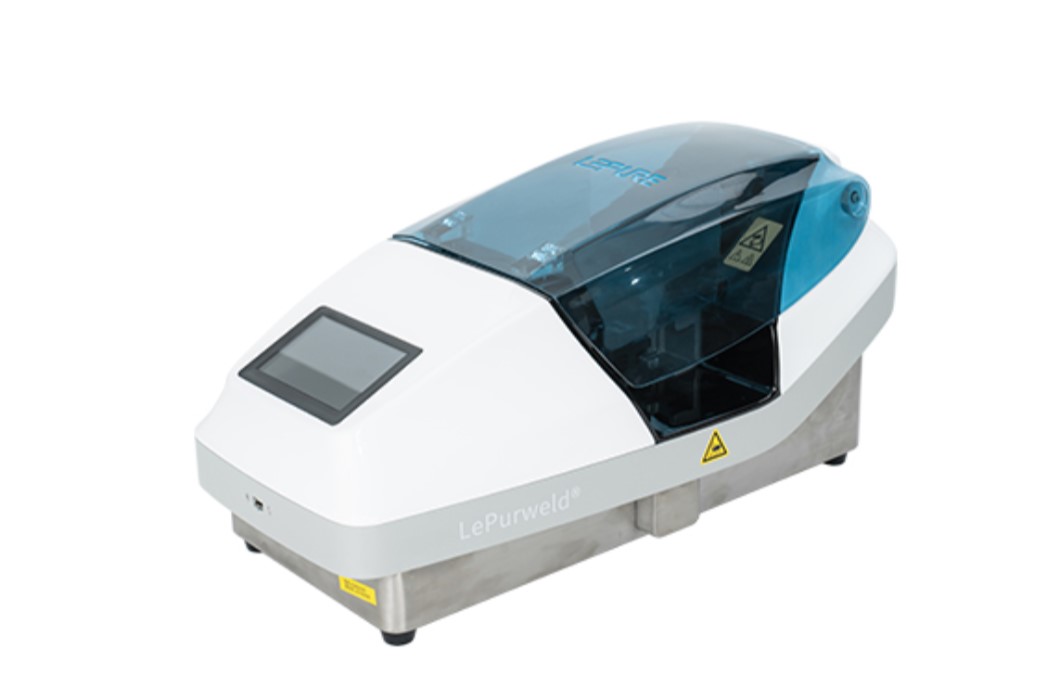
The self-developed LePurweld aseptic tubing connector machine is an automated device used for aseptic connections between thermoplastic elastomer (TPE) tubing lines. It can be used for welding both dry and liquid-carrying TPE tubes.
AI Product Description
*The following content is generated by AI and is for reference only.
This advanced industrial device is specifically engineered for the high-precision, sterile joining of medical tubing and fluid path components. Designed primarily for the pharmaceutical, biotechnology, and medical device manufacturing sectors, its core function is to create hermetic seals that maintain the integrity of aseptic environments during production. By utilizing controlled thermal energy or laser technology, the system fuses compatible thermoplastic materials without introducing particulate contamination or compromising the sterility of the internal fluid pathways. This capability is critical for ensuring patient safety in applications ranging from blood bag assembly and dialysis filters to complex drug delivery systems and intravenous sets.
The equipment operates on a closed-loop control principle, monitoring temperature, pressure, and dwell time with exceptional accuracy to guarantee consistent weld quality across thousands of cycles. Its modular design allows for quick adaptation to various tube diameters and material types, including PVC, polyurethane, and silicone, making it a versatile asset in dynamic manufacturing lines. Operators benefit from an intuitive interface that guides them through setup and validation processes, minimizing human error and reducing downtime.
Several critical precautions must be observed during operation to ensure both product safety and operator well-being. First, strict adherence to cleaning and sterilization protocols before each batch run is mandatory to prevent cross-contamination. Second, personnel must wear appropriate personal protective equipment, as the welding process generates localized heat and potentially hazardous fumes depending on the material being processed. Regular calibration of sensors and verification of sealing parameters are essential maintenance tasks; failure to do so can result in micro-leaks that compromise product sterility. Furthermore, the machine should only be operated by trained staff familiar with emergency stop procedures and lockout/tagout protocols. Routine inspection of optical lenses and heating elements ensures optimal performance, while any deviation in weld strength or visual appearance requires immediate investigation and potential line halt. Ultimately, this technology serves as a cornerstone for maintaining rigorous quality standards in life-critical manufacturing environments.





 (All Rights Reserved)