Product Description
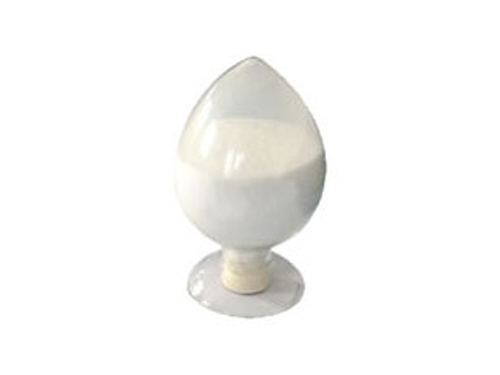
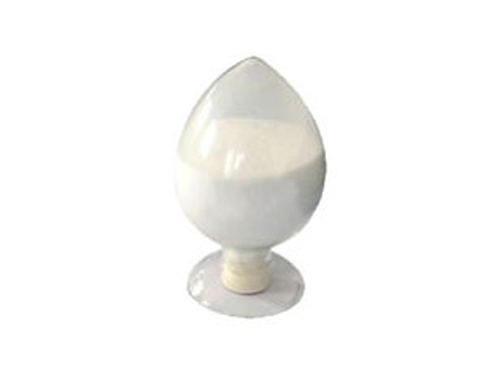
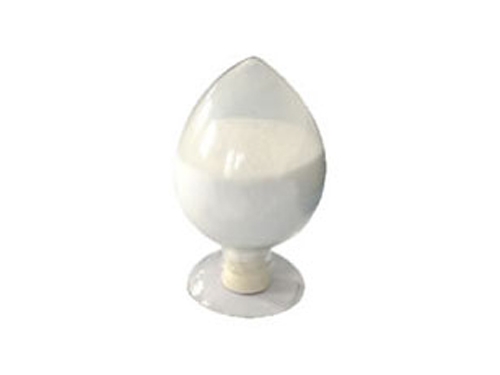
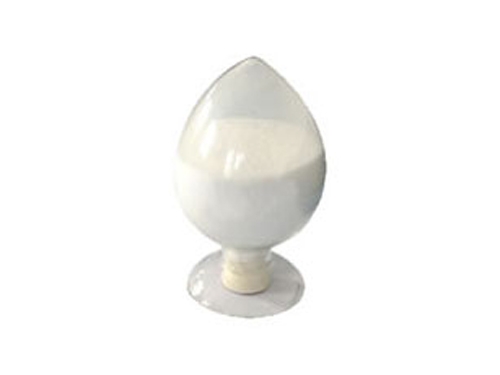
Chemical Name: Octacosanol
CAS: 557-61-9
Molecular Formula: C28H58O
Molecular Weight: 410.77
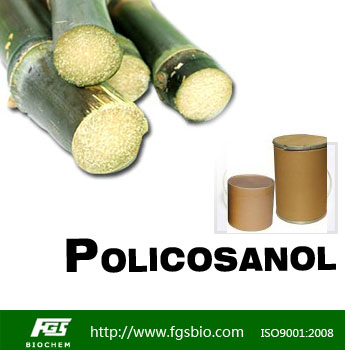
Botanical Source: Sugarcane Wax
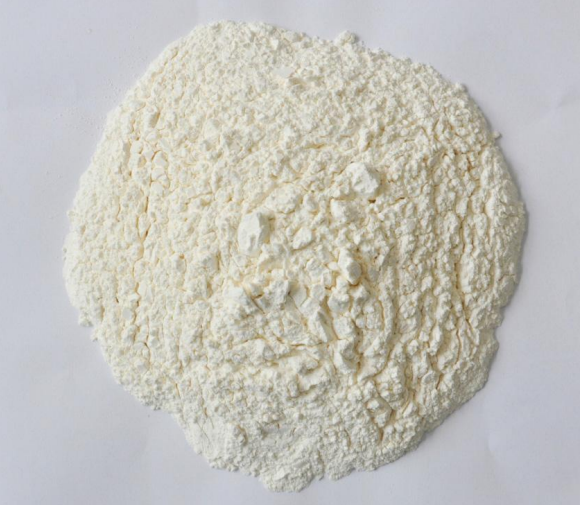
Physical and Chemical properties: White Crystalline Powder; Soluble in Chloroform, Petroleum Ether, Ethanol, Acetone, Et
AI Product Description
*The following content is generated by AI and is for reference only.
Policosanol is a natural lipid extract derived primarily from the wax of sugarcane (Saccharum officinarum), though it can also be sourced from beeswax, rice bran, and soybeans. Its chemical composition is not defined by a single molecular formula or CAS number because it is a complex mixture rather than a pure compound. Instead, Policosanol consists mainly of long-chain alcohols, including octacosanol, triacontanol, hexacosanol, and dotriacontanol, along with minor amounts of fatty acids, hydrocarbons, and esters. The specific ratio of these components varies depending on the raw material source and extraction method, making standardization a critical factor for product quality and efficacy.
The primary application of Policosanol lies in the field of dietary supplements, specifically targeting cardiovascular health and metabolic regulation. Extensive research, particularly in Cuba where it was first isolated, suggests that Policosanol may help lower total cholesterol and low-density lipoprotein (LDL) levels while potentially raising high-density lipoprotein (HDL). Unlike synthetic statins which inhibit cholesterol synthesis enzymes, Policosanol appears to work by modulating cholesterol absorption in the intestine and influencing hepatic metabolism. Consequently, it is widely marketed as a natural alternative for individuals seeking to manage hyperlipidemia without the side effects often associated with pharmaceutical drugs.
Beyond lipid management, Policosanol has gained attention for its potential to enhance physical performance and endurance. Athletes utilize it to improve oxygen utilization and reduce fatigue, although clinical evidence regarding these ergogenic effects remains somewhat mixed compared to its lipid-lowering properties. Additionally, some studies indicate antioxidant and anti-inflammatory benefits, suggesting a role in protecting vascular endothelial function. While generally considered safe with few reported adverse effects, users should consult healthcare professionals before use, especially if taking other lipid-lowering medications. Due to the variability in commercial preparations, consumers are advised to choose products from reputable manufacturers that guarantee consistent active ingredient profiles to ensure therapeutic reliability.




 (All Rights Reserved)