Product Description
please call me ,to know more
AI Product Description
*The following content is generated by AI and is for reference only.
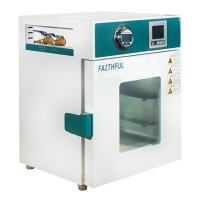
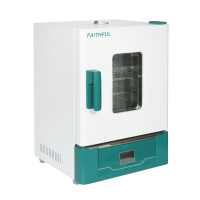
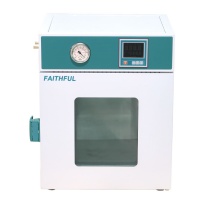
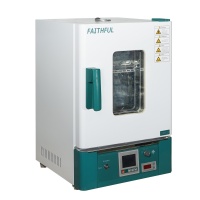
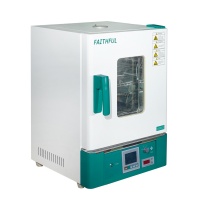
Plastic additive drying equipment is a critical component in modern polymer processing, designed to remove moisture and volatile impurities from hygroscopic raw materials before they enter the extrusion or injection molding stages. Materials such as polyamide (nylon), polycarbonate, PET, and certain engineering thermoplastics readily absorb water from the atmosphere. If processed without adequate drying, this residual moisture causes hydrolysis during heating, leading to severe defects like splay marks, bubbles, reduced molecular weight, and significant degradation of mechanical properties. The equipment typically utilizes heated air circulation systems, often with desiccant regeneration cycles, to maintain a precise dew point within the drying chamber, ensuring consistent material quality.
These units operate by drawing ambient air through a desiccant wheel or bed, dehumidifying it to extremely low levels, and then passing the hot, dry air over the plastic granules. This process ensures that the material reaches its target moisture content, usually below 0.02%, which is essential for high-performance applications. Proper operation requires strict adherence to temperature and time parameters specific to each resin type; excessive heat can cause premature melting or clumping, while insufficient drying leaves the material vulnerable to failure.
Key safety and operational precautions include regular monitoring of the dew point sensor to verify system efficiency, ensuring proper ventilation to prevent overheating, and cleaning filters to maintain optimal airflow. Operators must avoid mixing different material types unless the equipment is thoroughly purged, as cross-contamination can ruin batches. Furthermore, the hopper should remain covered when not actively feeding to prevent re-absorption of atmospheric humidity. Regular maintenance of the heating elements and fans is vital for energy efficiency and longevity. By integrating this equipment effectively, manufacturers can significantly reduce scrap rates, enhance product consistency, and ensure the structural integrity of final plastic components used in automotive, medical, and consumer electronics industries.






 (All Rights Reserved)