Product specification :10:1 20:1
Detection method :TLC
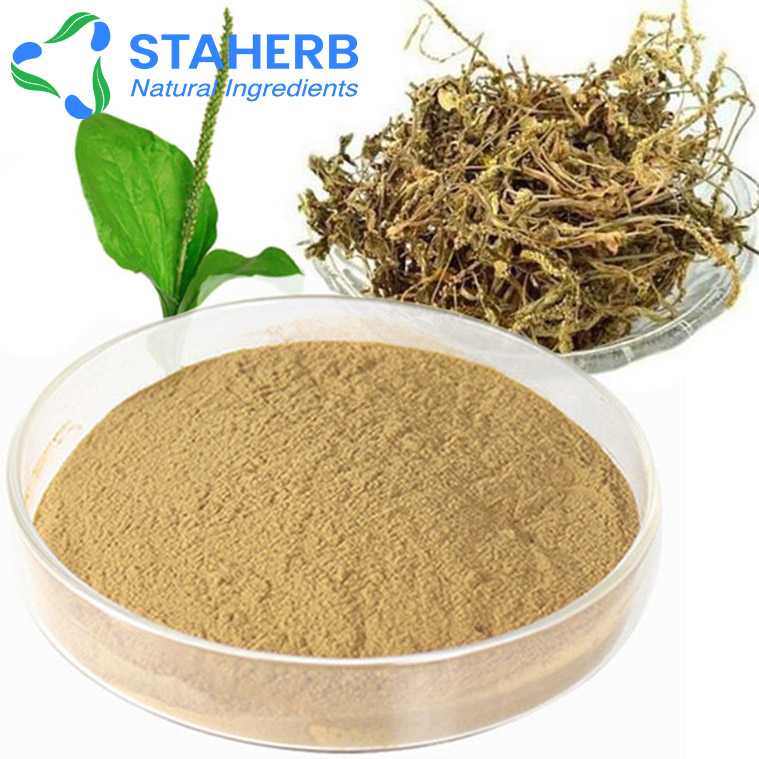
Extract part: leaf
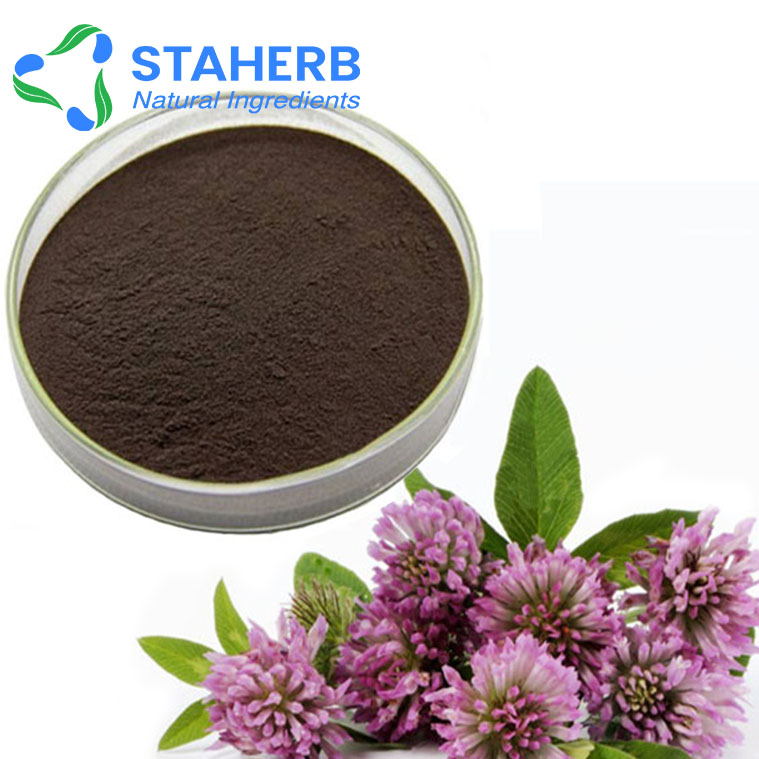
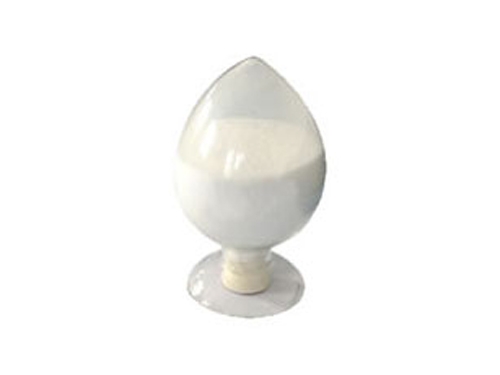
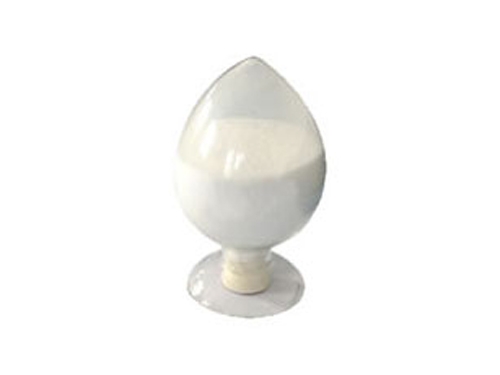
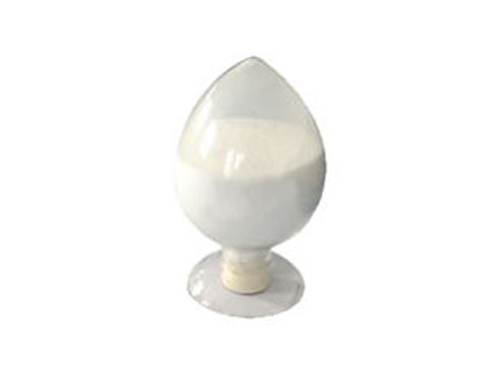
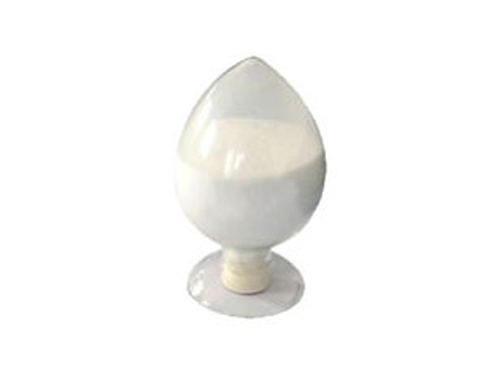
Product color: Brown powder
fineness :80-100 mesh Drying method: spray drying
Shelf life: two years
Packaging: Zip-lock bag/aluminum foil bag/carton/cardboard barrel Manufacturer: Changsha Staherb Natural Ingredients Co., LTD.
Storage conditions: cool and dry place
*The following content is generated by AI and is for reference only.
Plantain herb, scientifically known as *Herba Plantaginis*, and Psyllium (derived from *Plantago ovata* seeds) represent two distinct but related botanical sources widely utilized in traditional medicine and modern nutraceuticals. It is important to clarify that these are complex herbal mixtures rather than single chemical entities; therefore, they do not possess a single molecular formula or a unique CAS number applicable to the raw plant material itself. The active constituents vary significantly depending on the specific part of the plant used, such as the leaves for *Herba Plantaginis* or the seed husks for Psyllium.
*Herba Plantaginis* primarily contains iridoid glycosides like aucubin and catalpol, along with flavonoids and mucilage. These compounds contribute to its renowned anti-inflammatory, expectorant, and wound-healing properties. Traditionally, it has been employed to soothe respiratory tract irritations, treat coughs, and accelerate the healing of minor skin abrasions or insect bites due to its demulcent nature. In contrast, Psyllium is celebrated for its high soluble fiber content, specifically polysaccharides that form a viscous gel upon contact with water. This characteristic makes it a premier bulk-forming laxative used to manage constipation, regulate bowel movements, and support cardiovascular health by helping to lower cholesterol levels and stabilize blood sugar.
While commercial extracts may have specific CAS numbers assigned to isolated active ingredients (e.g., specific glycosides), the general "plantain extract" or "Psyllium powder" remains a natural product mixture without a singular identifier. These herbs are extensively used in dietary supplements, herbal teas, topical ointments, and food fortification products globally. Their safety profile is generally excellent when used appropriately, making them staples in integrative medicine for digestive wellness and respiratory support. Consumers seeking these benefits should ensure they purchase from reputable suppliers who adhere to quality control standards to guarantee potency and purity.











 (All Rights Reserved)