Product Description
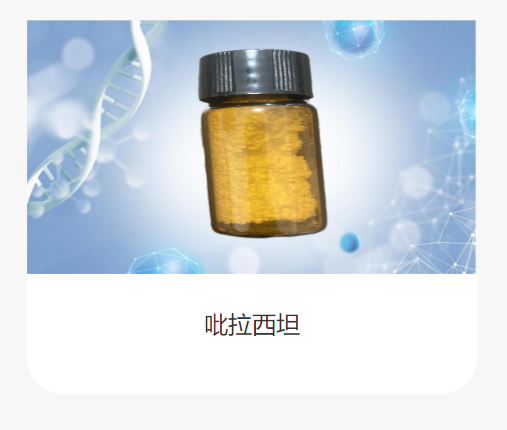
吡拉西坦化学性质熔点:151-152,5C沸点:259.72°C(roughestimate)密度:1.2298(roughestimate)折射率:1.5010(estimate)储存条件:2-8°C溶解度:FreelysolubleinwaChemicalbookter,solubleinethanol(96percent).Itshowspolymorphism(5.9).酸度系数(pKa):15.67±0.40(Predicted)形态:Solid颜色:Crystalsfromisopropanol
AI Product Description
*The following content is generated by AI and is for reference only.
Piracetam, chemically known as 2-oxo-1-pyrrolidineacetamide, is the prototypical member of the racetam class of nootropic compounds. Its molecular formula is C6H10N2O2, and it carries the CAS registry number 7491-15-6. First synthesized in the late 1960s by Dr. Corneliu E. Giurgea, Piracetam was originally developed to improve cerebral metabolism and has since become one of the most widely researched cognitive enhancers globally. Unlike many stimulants, Piracetam does not act as a central nervous system stimulant; instead, it modulates neurotransmission and enhances neuronal plasticity.
The primary mechanism of action involves improving the fluidity of neuronal cell membranes, which facilitates better communication between neurons. It is believed to enhance the uptake of acetylcholine and glucose in the brain while inhibiting platelet aggregation, thereby improving microcirculation. These physiological effects contribute to its therapeutic applications in various clinical settings. In many countries, Piracetam is approved for the treatment of myoclonus associated with cortical degeneration, dementia-related cognitive decline, and acute ischemic stroke recovery. It is also frequently used off-label to support memory retention, attention span, and learning capabilities in healthy individuals or those experiencing age-related cognitive slowing.
While generally considered safe with a low incidence of serious adverse effects, common side effects may include insomnia, anxiety, weight gain, and gastrointestinal discomfort. Due to its ability to cross the blood-brain barrier efficiently, Piracetam is often utilized in combination therapies to maximize cognitive outcomes. Regulatory status varies significantly by jurisdiction; for instance, it is available as a prescription medication in Europe and parts of Asia, whereas in the United States, it is marketed primarily as a dietary supplement rather than an approved drug. Despite ongoing debates regarding its efficacy in healthy populations, extensive research continues to explore its potential in neuroprotection and treating complex neurological disorders, cementing its place as a foundational compound in the field of cognitive pharmacology.


![8,16-Diazadispiro[6.1.6.2]heptadecan-17-one](https://eimg.pharmasources.com/image/product/20250403/ca91cba8b87e53fc879f8d8764873a40jpg)
![8-Oxa-1,3-diazaspiro[4.5]decane-2,4-dione](https://eimg.pharmasources.com/image/product/20250403/60fa7223d5a34f24138486ceea0ffb15jpg)
![6,8-Dioxo-5,7-diazaspiro[3.4]octane-2-carboxylic acid](https://eimg.pharmasources.com/image/product/20250403/02effeb5a7639bc84ff1f3add3c0c64fjpg)



 (All Rights Reserved)