Product Description
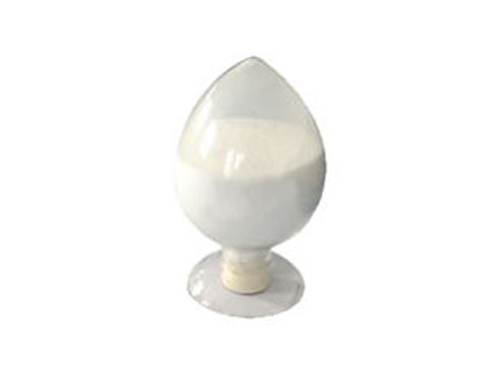
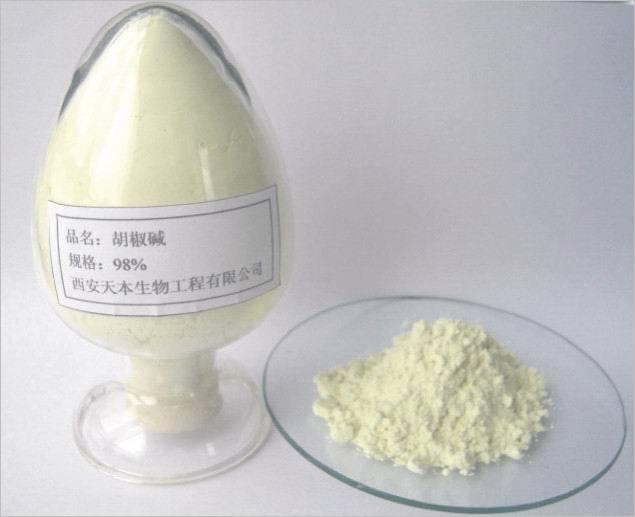
Colorless monoclinic prismatic crystal, no smell, burning sensation after taste.
Litmus is neutral.
Soluble in chloroform, ethanol, ethyl ether, soluble in benzene and acetic acid, almost insoluble in water and petroleum ether.
AI Product Description
*The following content is generated by AI and is for reference only.
Piperine, chemically known as 1-piperoyl piperidine, is the primary bioactive alkaloid responsible for the pungency of black pepper (*Piper nigrum*). Its molecular formula is C₁₇H₁₉NO₃, and it carries the CAS registry number 94-62-2. This naturally occurring compound appears as a white to pale yellow crystalline powder or colorless needles, characterized by a sharp, spicy aroma and a distinctively hot taste. Structurally, piperine consists of a methylenedioxyphenyl group linked via an amide bond to a piperidine ring containing a double bond, which contributes significantly to its biological activity and stability under standard storage conditions.
The applications of piperine are diverse, spanning nutritional supplementation, pharmaceutical research, and food flavoring. In the realm of human health, it is most renowned for its ability to enhance the bioavailability of various nutrients and drugs. By inhibiting specific hepatic enzymes such as cytochrome P450 and glucuronidation pathways, piperine facilitates greater absorption of compounds like curcumin from turmeric, selenium, beta-carotene, and certain antibiotics. This synergistic effect makes it a popular ingredient in dietary supplements designed to maximize therapeutic outcomes. Beyond pharmacokinetics, piperine exhibits potent antioxidant, anti-inflammatory, and analgesic properties, showing promise in managing metabolic disorders, neurodegenerative conditions, and chronic pain in preclinical studies.
In the food industry, piperine serves as a natural flavor enhancer and preservative, adding heat and depth to sauces, marinades, and processed meats while extending shelf life through antimicrobial activity. Furthermore, recent agricultural research explores its potential as a natural pesticide due to its insecticidal properties. Despite its benefits, safety assessments suggest that high doses may interact with medications metabolized by the liver, necessitating caution in clinical settings. Overall, piperine remains a vital compound bridging traditional herbal medicine and modern pharmacology, valued for its unique capacity to modulate biological processes and improve nutrient utilization across multiple sectors.




 (All Rights Reserved)