Product Description
Product specification : 1%-98%
Detection method :HPLC
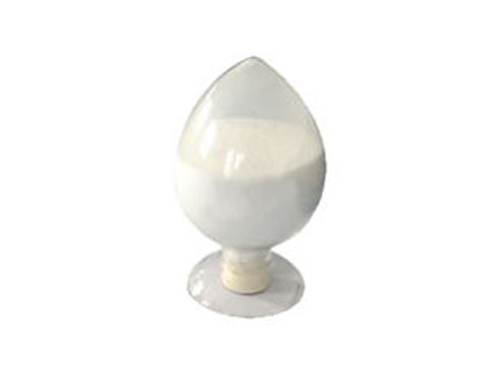
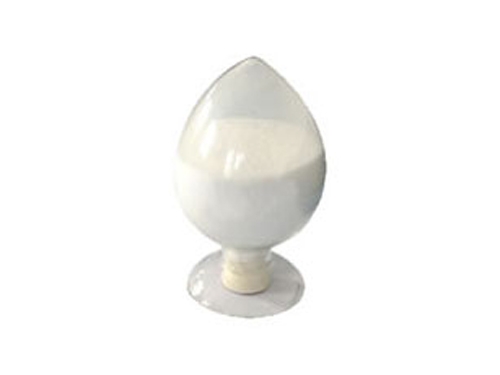
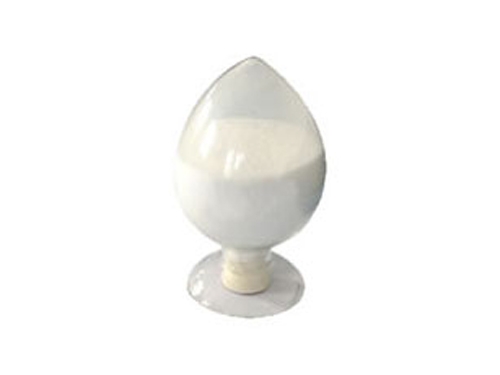
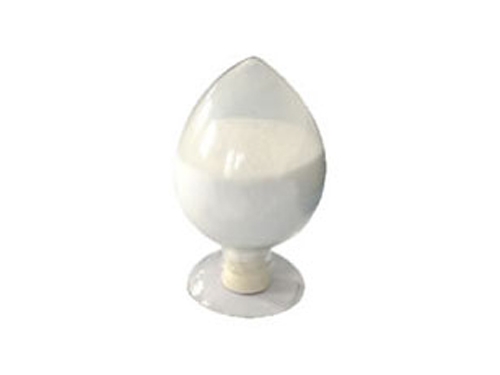
Product color: white
fineness :80-100 mesh Drying method: spray drying
Shelf life: two years
Packaging: Zip-lock bag/aluminum foil bag/carton/cardboard barrel Manufacturer: Changsha Staherb Natural Ingredients Co., LTD.
Storage conditions: cool and dry place
AI Product Description
*The following content is generated by AI and is for reference only.
Pig skin collagen is a widely utilized biopolymer derived from the dermal layer of swine, serving as a crucial raw material in pharmaceutical, cosmetic, and food industries. Chemically, it consists primarily of Type I collagen, characterized by a triple-helix structure formed by three polypeptide chains rich in glycine, proline, and hydroxyproline. While its exact molecular formula varies depending on the specific amino acid sequence and hydration state, it is generally represented as a high-molecular-weight protein with an approximate molecular weight ranging from 300 to 400 kDa. The Substance Registration System (SRS) does not assign a single universal CAS number for "pig skin collagen" in its native form because it exists as a complex mixture rather than a small molecule; however, processed derivatives like hydrolyzed collagen or specific peptide fractions often have distinct CAS identifiers, such as 91085-26-4 for certain hydrolysates.
The primary applications of pig skin collagen are extensive due to its excellent biocompatibility, low immunogenicity, and structural similarity to human tissue. In the medical field, it is extensively employed in wound dressings, hemostatic agents, and tissue engineering scaffolds for bone and cartilage regeneration. Its ability to promote cell adhesion and proliferation makes it ideal for accelerating healing processes. In the cosmetics sector, collagen is a staple ingredient in anti-aging creams, serums, and masks, where it helps improve skin elasticity, moisture retention, and firmness by stimulating endogenous collagen synthesis. Furthermore, in the food industry, it serves as a gelling agent, thickener, and stabilizer in products like gummy candies, jellies, and dietary supplements, providing essential amino acids without introducing allergens common in bovine or marine sources. As a sustainable alternative to synthetic polymers, pig skin collagen supports the growing demand for bio-based materials that offer superior safety profiles and functional performance across diverse commercial sectors.






 (All Rights Reserved)