We are professional Raw Material Manufacturer, with more than 10 years' experience.
Please contact us for more information and detailed quotation
Email: sales12@sgonekbio.com
Phone/WhatsApp/Wechat: +86 13572550462

*The following content is generated by AI and is for reference only.
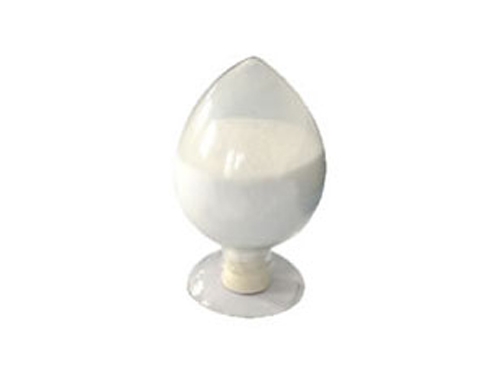
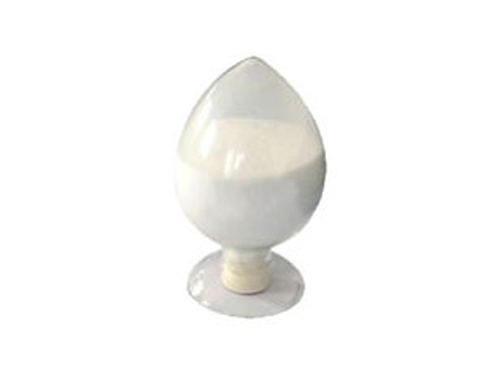
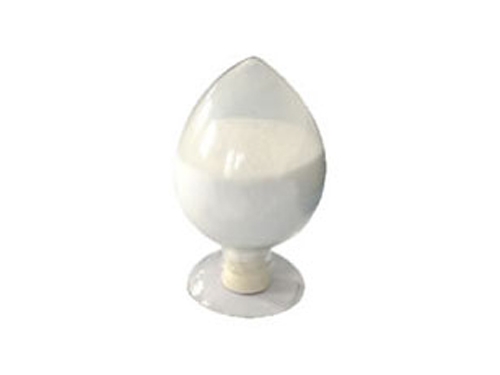
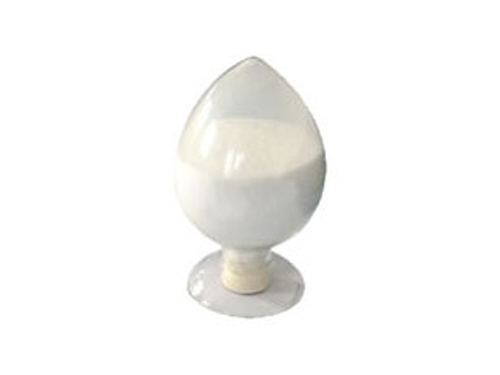
Phosphatidylserine (PS), often referred to simply as PS, is a vital phospholipid found in high concentrations within the cell membranes of most tissues, with particularly rich presence in the brain. Its molecular formula is typically represented as C42H80NO10P for the predominant soy-derived species, though exact composition varies slightly depending on the specific fatty acid chains attached to the glycerol backbone. The substance is universally identified by the CAS number 85089-63-8, serving as a critical reference point for chemical databases and regulatory compliance worldwide.
As a dietary supplement and functional food ingredient, Phosphatidylserine has garnered significant attention for its profound impact on cognitive health. It plays an essential role in maintaining membrane fluidity, facilitating efficient signal transduction between neurons, and supporting overall brain function. Extensive research suggests that PS supplementation may help mitigate age-related cognitive decline, improving memory retention, focus, and mental clarity in older adults. Furthermore, it is widely utilized by athletes and individuals under high stress to lower cortisol levels, thereby enhancing recovery times and reducing physical fatigue.
The commercial availability of PS primarily stems from two sources: bovine brain tissue and, more commonly today due to safety concerns regarding prion diseases, soy lecithin or sunflower oil. The plant-based variants are generally preferred for their sustainability and ethical profile. In the pharmaceutical and nutraceutical industries, PS is formulated into capsules, softgels, and chewable tablets. Its mechanism involves modulating neurotransmitter release and protecting neurons from oxidative stress. While generally recognized as safe for consumption, dosage recommendations vary based on individual health goals, ranging from 100 to 300 milligrams daily. As the global population ages and the demand for nootropic solutions grows, Phosphatidylserine remains a cornerstone compound in the pursuit of optimal neurological performance and long-term brain vitality.













 (All Rights Reserved)