We are professional Raw Material Manufacturer, with more than 10 years' experience.
Please contact us for more information and detailed quotation
Email: sales12@sgonekbio.com
Phone/WhatsApp/Wechat: +86 13572550462

*The following content is generated by AI and is for reference only.
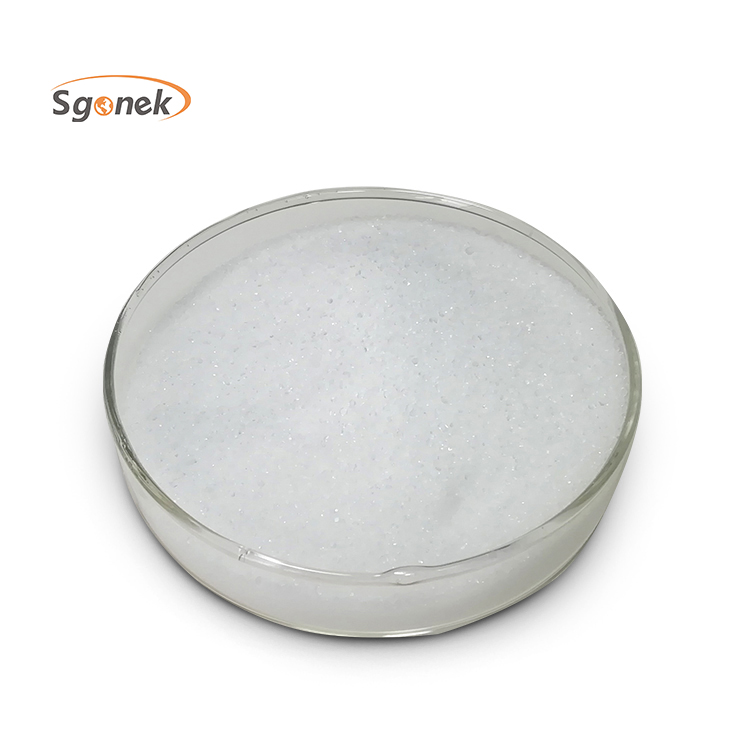
Phloretin is a naturally occurring dihydrochalcone flavonoid widely distributed in the plant kingdom, most notably found in apples and apple extracts. Chemically, it possesses the molecular formula C15H12O5 and carries the CAS registry number 60-82-2. This white to pale yellow crystalline powder is characterized by its potent biological activities, making it a subject of extensive research in biochemistry and pharmacology. Structurally, phloretin consists of two aromatic rings linked by a three-carbon chain with hydroxyl groups strategically positioned to facilitate hydrogen bonding and interaction with various cellular targets.
The primary application of phloretin lies in its role as a specific inhibitor of glucose transporters, particularly GLUT4 and GLUT1. By blocking these transport proteins, it effectively reduces glucose uptake in cells, which has sparked significant interest in the development of therapies for type 2 diabetes and metabolic syndrome. Beyond its metabolic effects, phloretin exhibits strong antioxidant properties, scavenging free radicals and protecting tissues from oxidative stress-induced damage. This makes it valuable in cosmetic formulations aimed at skin protection and anti-aging. Furthermore, studies suggest that phloretin may possess anti-inflammatory and antimicrobial capabilities, contributing to its potential use in treating inflammatory diseases and preventing infections.
In the realm of scientific research, phloretin serves as an essential tool for investigating membrane transport mechanisms and lipid bilayer interactions due to its ability to modulate ion channels and enzyme activities. While generally considered safe, its therapeutic potential is currently being explored through rigorous clinical trials to determine optimal dosages and efficacy in human subjects. As a versatile natural compound, phloretin bridges the gap between traditional herbal medicine and modern biotechnology, offering promising avenues for drug discovery and functional food development. Its unique mechanism of action continues to inspire researchers worldwide to unlock new treatments for chronic metabolic disorders and age-related conditions.






 (All Rights Reserved)