Product Name: Peanut Coat Extract
Latin Name: Arachis hypogaea L.
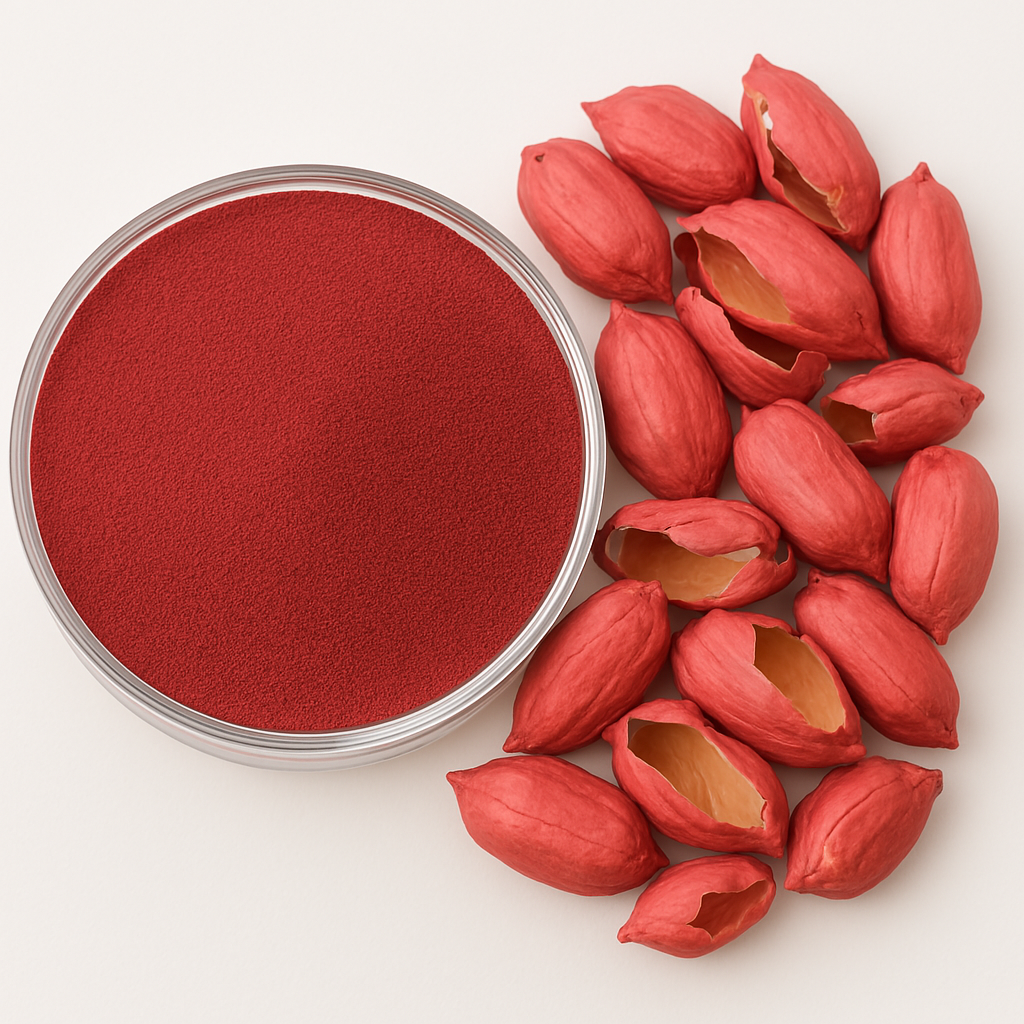
Plant Source: Peanut Coat, the purple-red seed coat on the outer surface of peanut seeds
Product Specifications: Proanthocyanidins 95% UV
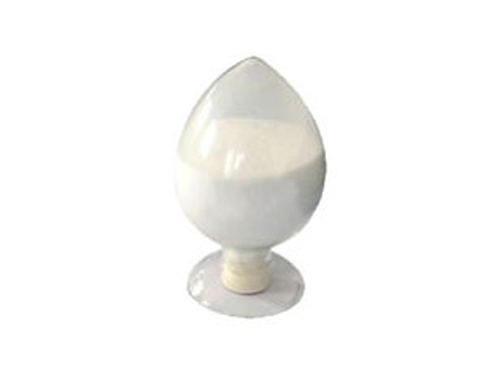
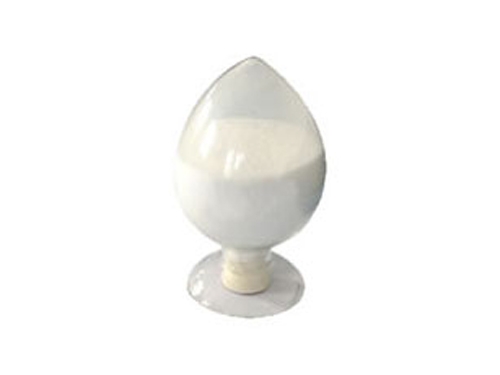
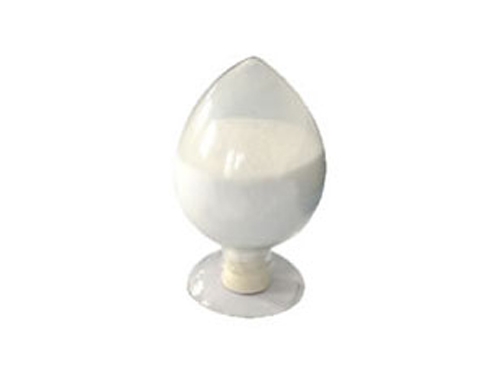
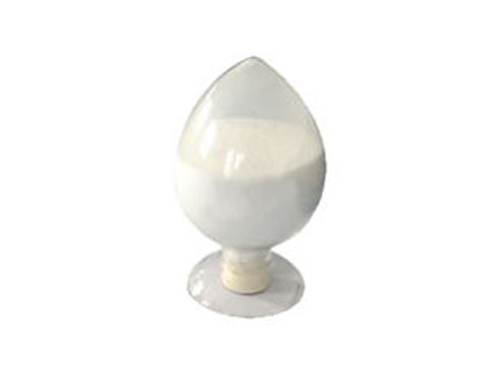
Product Properties: Brown-red powder / Brown powder
*The following content is generated by AI and is for reference only.
Peanut Coat Extract, derived from the skins of peanuts (*Arachis hypogaea*), is a complex botanical ingredient rich in bioactive compounds such as polyphenols, flavonoids, and tannins. Unlike refined peanut oil or protein isolates, this extract specifically targets the protective outer layer of the seed, which serves as a natural defense mechanism against environmental stressors. Due to its high concentration of antioxidants, particularly proanthocyanidins and resveratrol derivatives, it has garnered significant attention in both cosmetic and nutraceutical industries for its potential health benefits.
The chemical composition of Peanut Coat Extract varies depending on the extraction solvent and method used, meaning there is no single universal molecular formula or CAS number applicable to all commercial grades. The active constituents are mixtures of various phenolic structures rather than a singular defined molecule. Consequently, regulatory bodies often classify it under generic botanical extracts or specific polyphenol profiles rather than assigning a unique CAS identifier to the crude extract itself. This complexity allows for a broad spectrum of biological activities, including anti-inflammatory, antimicrobial, and skin-protective properties.
In the cosmetic sector, this ingredient is increasingly utilized in formulations designed to combat oxidative stress caused by UV radiation and pollution. Its ability to scavenge free radicals makes it an effective anti-aging agent, helping to maintain skin elasticity and reduce the appearance of fine lines. Furthermore, studies suggest it may inhibit melanin production, offering potential applications in skin brightening products. In the food and beverage industry, while less common due to allergenic concerns, it is sometimes explored as a natural preservative or colorant due to its robust antioxidant capacity, though rigorous safety testing is mandatory given the prevalence of peanut allergies.
Manufacturers must exercise extreme caution when formulating with Peanut Coat Extract, as residual proteins can trigger severe allergic reactions in sensitive individuals. Strict processing protocols are required to remove allergens if the final product is intended for general consumption or use by those with nut sensitivities. Overall, Peanut Coat Extract represents a promising natural source of functional phytochemicals, bridging traditional herbal medicine with modern scientific applications in wellness and beauty. Its versatility underscores the growing trend of utilizing agricultural byproducts to create high-value, sustainable ingredients for diverse global markets.




 (All Rights Reserved)