Category:
Plant Extracts
CAS NO:
-
Standard:
ChP,

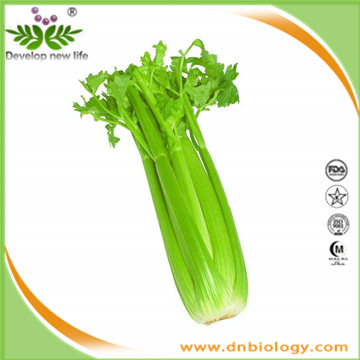
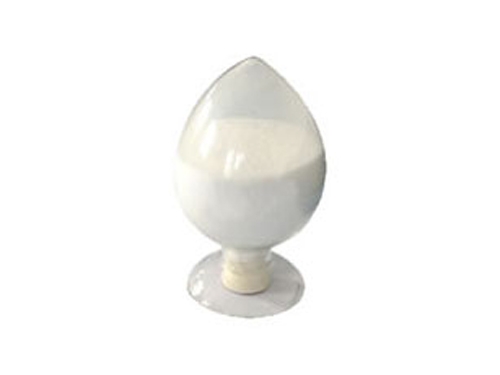
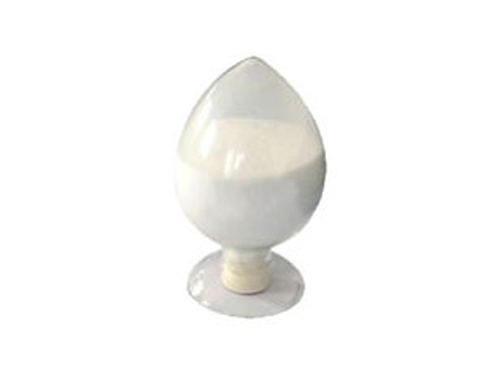
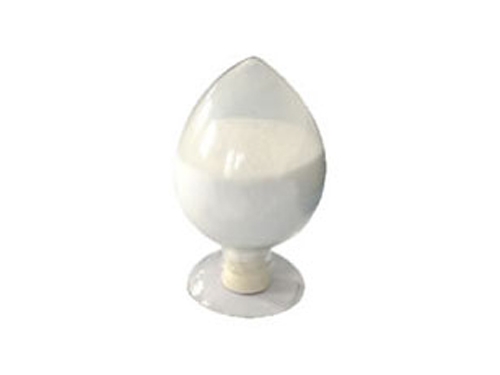
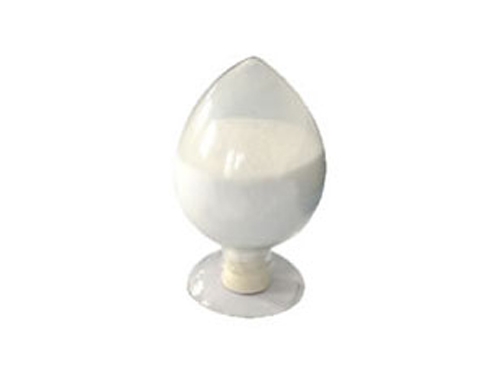
Product Name: Parsley Extract Powder
Latin Name: Petroselinum Crispum (Mill.) Nym.
Active Ingredient: Parsley Flavones
Specification: 4:1 5:1 10:1 20:1
Molecular Formula: C14H12O3
Molecular Weight: 228.24
Melt Pointing: 347.5°C
Solubility: part soluble in the hot ethanol, soluble in the KOH solution.
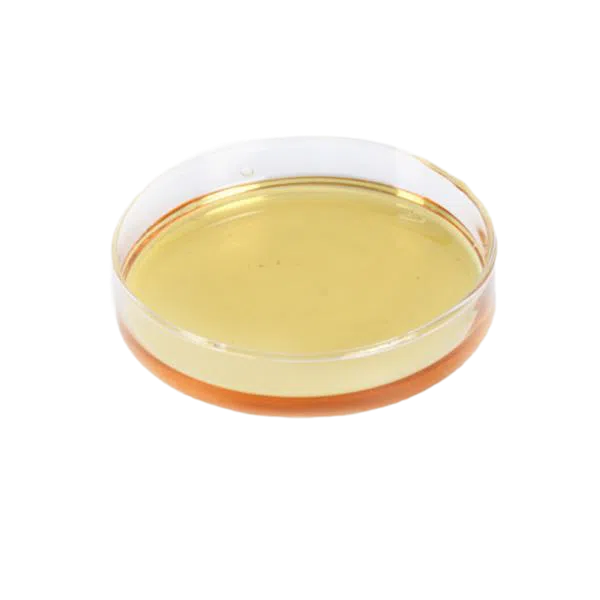
Appearance: Brown yellow powder
Property: Natural antioxidant
What is Food Grade Parsley Extract?
Parsley or garden parsley (Petroselinum crispum) is a species of Petroselinum in the family Apiaceae, native to the centralMediterranean region (southern Italy, Algeria, and Tunisia), naturalized elsewhere in Europe, and widely cultivated as a herb, a spice, and a vegetable.
Where it grows as a biennial, in the first year, it forms a rosette of tripinnate leaves 10–25 cm long with numerous 1–3 cm leaflets, and a taproot used as a food store over the winter.
Parsley is widely used in Middle Eastern, European, and American cooking. Curly leaf parsley is often used as a garnish. In central and eastern Europe and in western Asia, many dishes are served with fresh green chopped parsley sprinkled on top. Root parsley is very common in central and eastern European cuisines, where it is used as a snack or a vegetable in many soups, stews, and casseroles.
What will Food Grade Parsley Extract be used for?
1. Chinese and German herbologists recommend parsley tea to help control high blood pressure.
2. Cherokees used it as a tonic to strengthen the bladder.
3. It is often used as an emmenagogue.
4. Parsley also appears to increase diuresis by inhibiting the Na+/K+-ATPase pump in the kidney, thereby enhancing sodium and water excretion while increasing potassium re absorption. It is also valued as an aquaretic.
5. Parsley appears to enhance the body's absorption of manganese, which is important to help build bone. The absorption appears to be especially enhanced when parsley is eaten in conjunction with copper and zinc rich foods such as shellfish and organically grown whole grains.


 (All Rights Reserved) (All Rights Reserved)