Product Description
p-Hydroxy-cinnamic acid( PHCA) 7400-08-0
AI Product Description
*The following content is generated by AI and is for reference only.
p-Hydroxycinnamic acid, commonly known as p-coumaric acid, is a naturally occurring phenolic compound belonging to the hydroxycinnamic acid family. With the molecular formula C9H8O3 and CAS Registry Number 501-98-4, this white crystalline powder serves as a vital intermediate in plant metabolism and industrial applications. It acts as a key precursor in the biosynthesis of lignin, flavonoids, and coumarins within various plant species, playing an essential role in structural integrity and defense mechanisms against pathogens and ultraviolet radiation.
In the pharmaceutical sector, p-hydroxycinnamic acid is highly valued for its potent antioxidant, anti-inflammatory, and antimicrobial properties. Research indicates its potential in scavenging free radicals, thereby reducing oxidative stress associated with chronic diseases such as cardiovascular disorders and neurodegeneration. Consequently, it is frequently incorporated into dietary supplements and nutraceutical formulations designed to promote overall health and longevity. Furthermore, its ability to inhibit tyrosinase makes it a popular ingredient in cosmetic formulations aimed at skin brightening and treating hyperpigmentation.
Industrially, this compound functions as a valuable building block for synthesizing high-performance polymers and functional materials. Its conjugated double bond system allows for versatile chemical modifications, facilitating the production of advanced resins, dyes, and agrochemicals. Additionally, p-hydroxycinnamic acid is widely utilized in food preservation due to its natural preservative qualities, helping to extend shelf life while maintaining product safety without relying on synthetic additives. The compound is generally recognized as safe (GRAS) by regulatory bodies when used within specified limits in food products.
Sourced primarily from agricultural byproducts like corn bran, rice hulls, and sugarcane bagasse, p-hydroxycinnamic acid represents a sustainable resource for green chemistry initiatives. Its extraction methods are increasingly optimized to ensure high purity levels suitable for both research and commercial manufacturing. As global demand for bio-based alternatives grows, p-hydroxycinnamic acid stands out as a multifunctional molecule bridging the gap between natural biology and modern industrial innovation, offering solutions ranging from therapeutic interventions to eco-friendly material science.

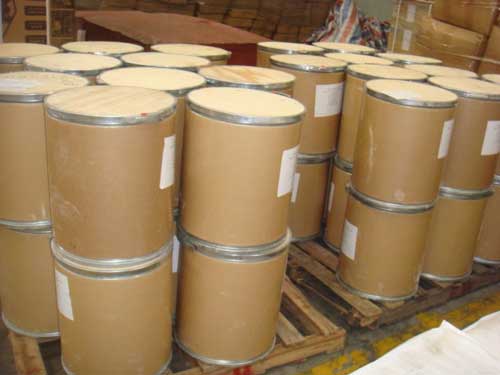




 (All Rights Reserved)



![(3R)-3-Amino-1-[3-(Trifluoromethyl)-5,6,7,8-Tetrahydro-1,2,4-Triazolo[4,3-A]Pyrazin-7-yl]-4-(2,4,5-T](https://eimg.pharmasources.com/image/product/20250402/e43f5153f3b91f760fdee40247460568jpg)

![3-(Trifluoromethyl)-5,6,7,8-Tetrahydro-[1,2,4]Triazolo[4,3-a]Pyrazine HCL](https://eimg.pharmasources.com/image/product/20250402/8ae4dd18f1fe219e41ad63ce9b3306d7jpg)

![4-[[[[6-[(Diethylamino)methyl]-2-naphthalenylmethoxy]carbonyllaminolbenzoic acid](https://eimg.pharmasources.com/image/20241206/xJCFsdgfMrHzqjtgeOixhGQHgVbKi7kAcoEqemzE.jpg)