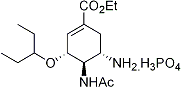
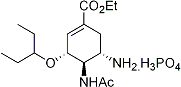
Oseltamivir is an antiviral prodrug targeted against the influenza viruses. Once hydrolyzed in the liver to its active metabolite, oseltamivir acid, it can competitively inhibit viral neuraminidase, blocking the release of new viral particles from a host cell.
*The following content is generated by AI and is for reference only.
Oseltamivir phosphate, commonly known by the brand name Tamiflu, is a potent antiviral medication widely utilized in the prevention and treatment of influenza A and B infections. Its chemical formula is C16H28N2O4P·H3PO4, reflecting its composition as a phosphate salt of oseltamivir carboxylate, the active metabolite responsible for therapeutic effects. The substance is identified by the CAS number 196170-07-1. This prodrug is administered orally and is rapidly converted into its active form by hepatic esterases, which then inhibits the viral neuraminidase enzyme. By blocking this enzyme, the drug prevents the release of newly formed viral particles from infected cells, thereby limiting the spread of the virus within the respiratory tract and reducing the severity and duration of flu symptoms.
Clinically, Oseltamivir phosphate is indicated for acute treatment in patients aged two weeks and older who have been symptomatic for no more than 48 hours. It is also approved for post-exposure prophylaxis to prevent influenza in individuals who have been in close contact with an infected person. Public health organizations often recommend its use during seasonal outbreaks or pandemics to mitigate transmission rates and reduce hospitalization risks, particularly among high-risk groups such as the elderly, young children, and immunocompromised individuals. While generally well-tolerated, common side effects may include nausea, vomiting, and headache. Resistance can develop if the drug is used indiscriminately; therefore, it should be prescribed based on confirmed or suspected influenza cases according to current medical guidelines. As a cornerstone of modern antiviral therapy, Oseltamivir phosphate remains a critical component of global strategies to manage seasonal flu and potential pandemic threats, offering significant benefits when initiated promptly after symptom onset or exposure. Its widespread availability and oral administration make it a practical choice for both clinical settings and home care environments worldwide.





 (All Rights Reserved)

![6,8-Dioxo-5,7-diazaspiro[3.4]octane-2-carboxylic acid](https://eimg.pharmasources.com/image/product/20250403/02effeb5a7639bc84ff1f3add3c0c64fjpg)
![8-Oxa-1,3-diazaspiro[4.5]decane-2,4-dione](https://eimg.pharmasources.com/image/product/20250403/60fa7223d5a34f24138486ceea0ffb15jpg)
![8,16-Diazadispiro[6.1.6.2]heptadecan-17-one](https://eimg.pharmasources.com/image/product/20250403/ca91cba8b87e53fc879f8d8764873a40jpg)