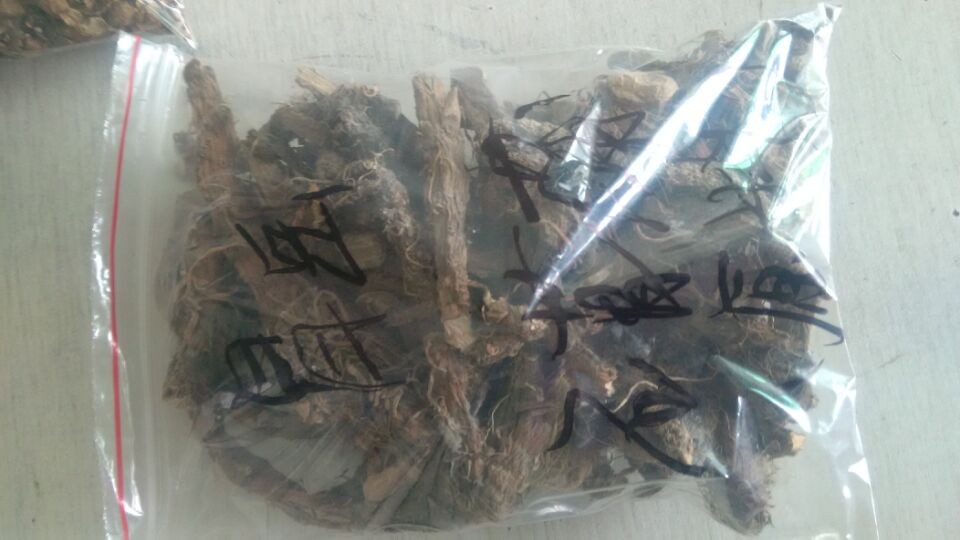
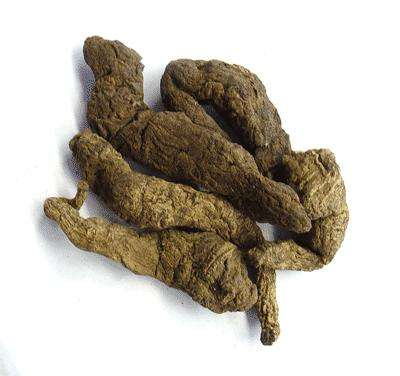
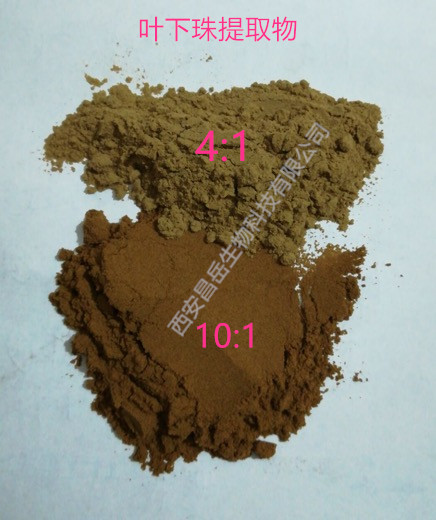
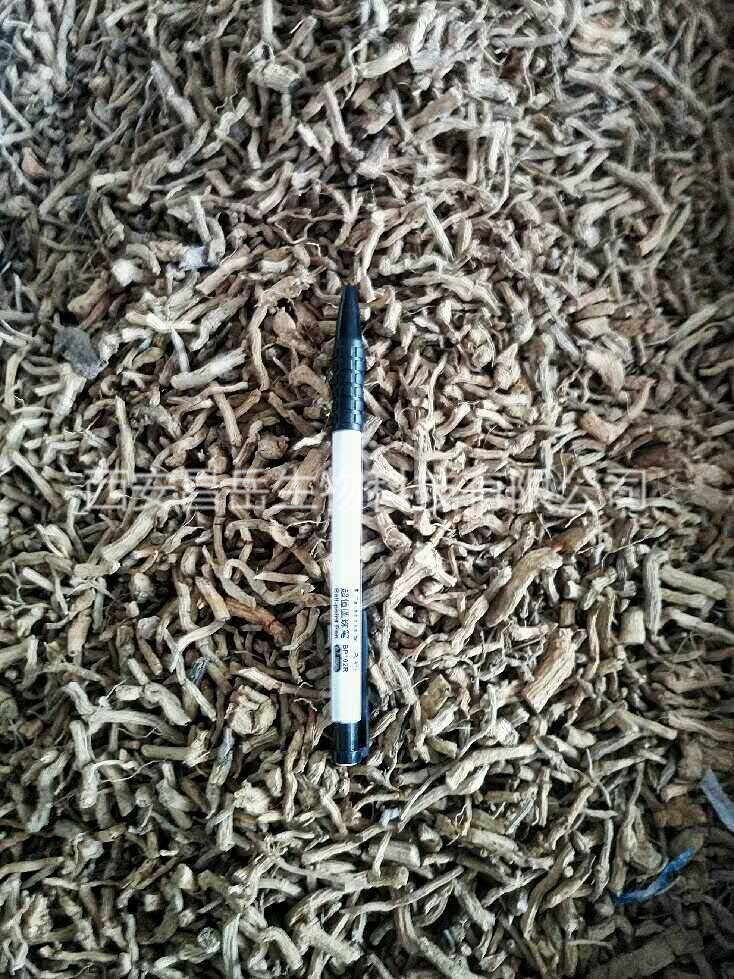
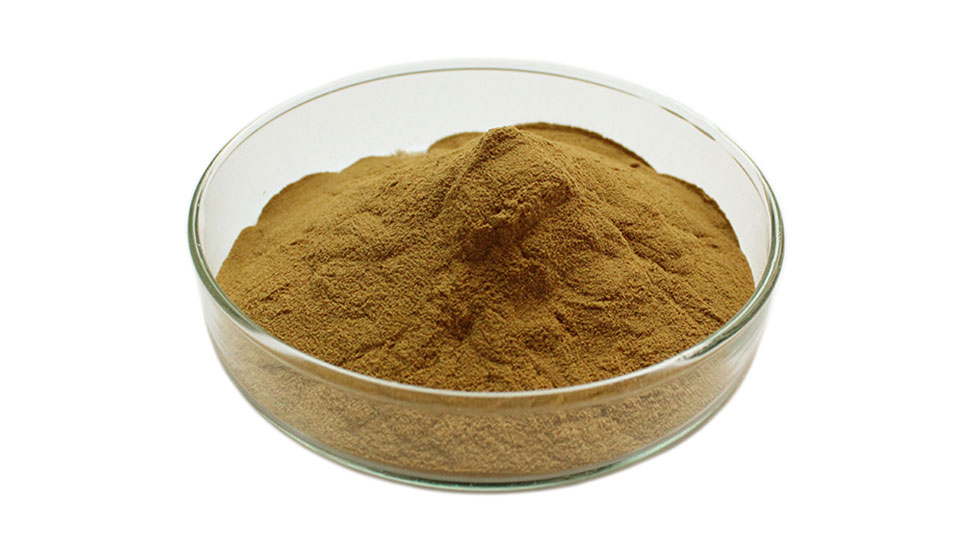
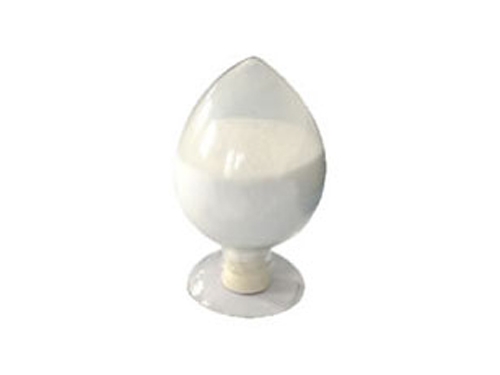
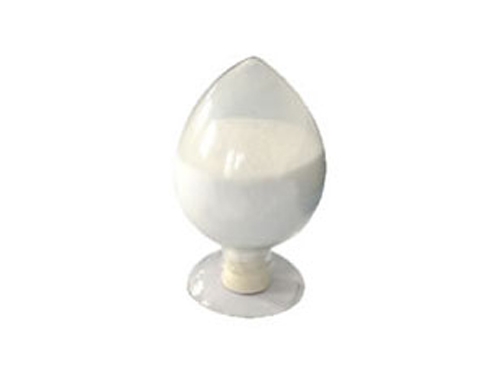
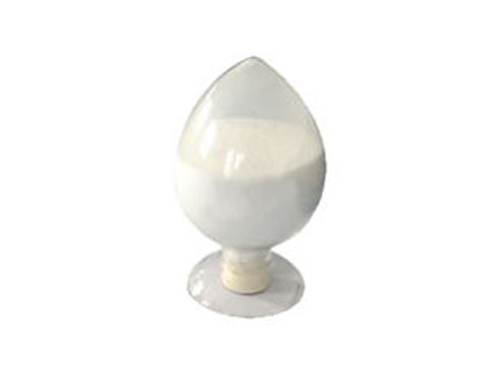
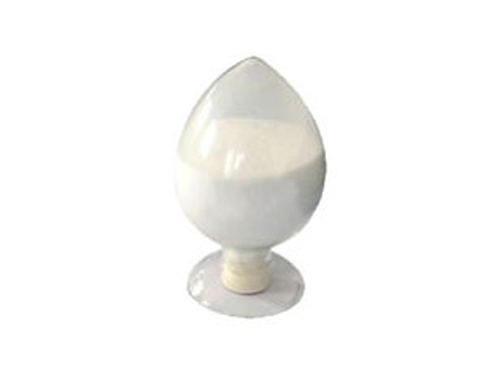
Product Description
Oneself tan powder, nourishing Yin, runfei, and the mind.
Used for phlegm-heat type. Dry cough.
Virtual tuberculosis cough, thirst, insomnia, and internal thirsting disorder, intestinal dry constipation;
Throat diphtheria.
AI Product Description
*The following content is generated by AI and is for reference only.
Ophiopogon Root Extract, derived from the rhizomes of *Ophiopogon japonicus* (also known as Liriope or Lilyturf), is a widely utilized botanical ingredient in both traditional medicine and modern cosmetic formulations. While the extract is a complex mixture containing various bioactive compounds such as steroidal saponins, polysaccharides, flavonoids, and phenolic acids, it does not possess a single, unified molecular formula or a unique CAS number applicable to the crude extract itself. The specific chemical constituents vary based on extraction methods; for instance, Ophiopogonin D, a major active saponin, has its own distinct molecular structure and CAS registry, but the bulk extract remains a heterogeneous blend.
In the pharmaceutical sector, this extract has a long history of use in Traditional Chinese Medicine (TCM) under the name "Mai Dong." It is primarily valued for its ability to nourish Yin, generate body fluids, and clear heat, often treating conditions like dry cough, thirst, and insomnia. In the contemporary beauty industry, Ophiopogon Root Extract is prized for its potent antioxidant and moisturizing properties. It helps strengthen the skin barrier, improves hydration levels by enhancing natural moisture retention, and provides protection against oxidative stress caused by environmental pollutants and UV radiation. Its anti-inflammatory characteristics also make it suitable for soothing sensitive or irritated skin types.
Manufacturers typically source this ingredient from certified organic farms to ensure purity and sustainability. Due to its rich profile of natural antioxidants, it is frequently incorporated into serums, creams, and lotions designed to combat signs of aging and maintain skin vitality. Although regulatory bodies classify it generally as a safe cosmetic ingredient, standardization protocols are essential to maintain consistent efficacy across different product batches. As research continues, the potential of this ancient herb in developing novel therapeutics and high-performance skincare solutions remains a significant area of interest for scientists and formulators worldwide, bridging the gap between ancient wisdom and modern scientific innovation.




 (All Rights Reserved)