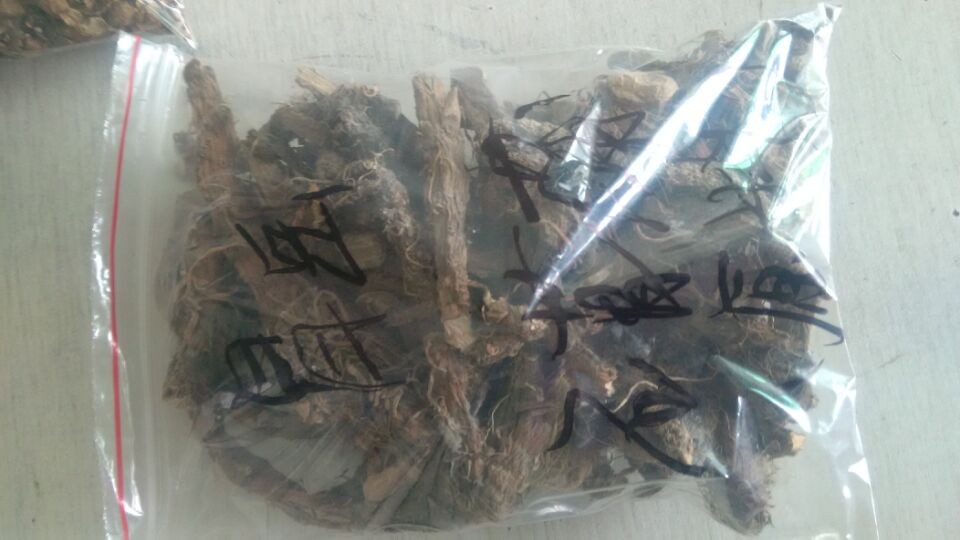
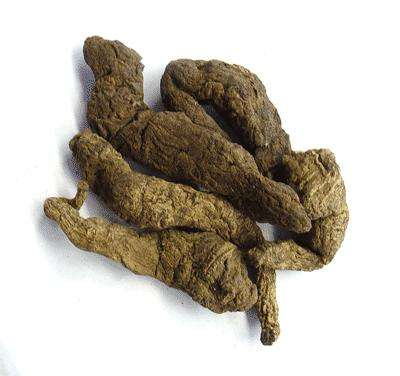
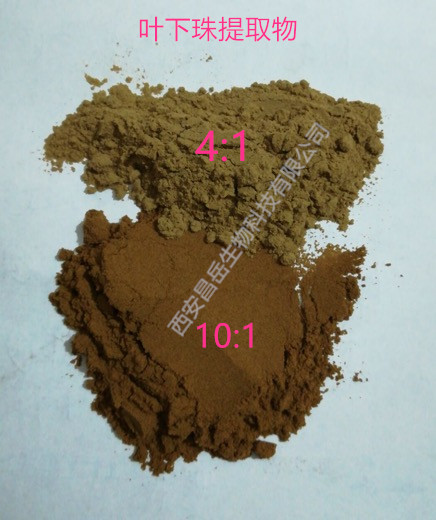
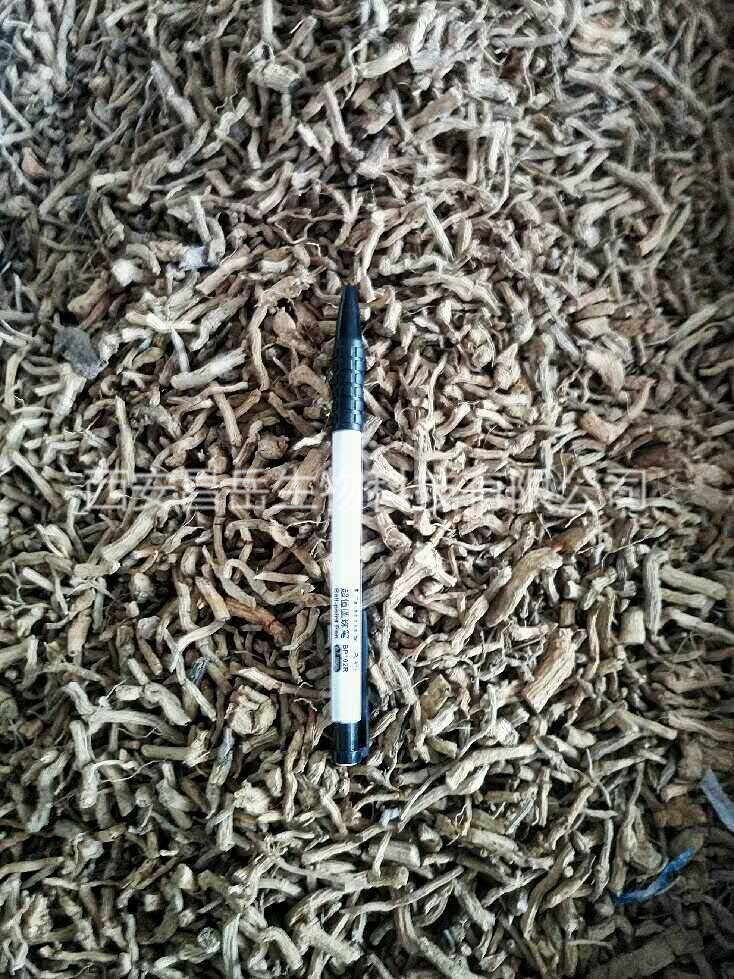
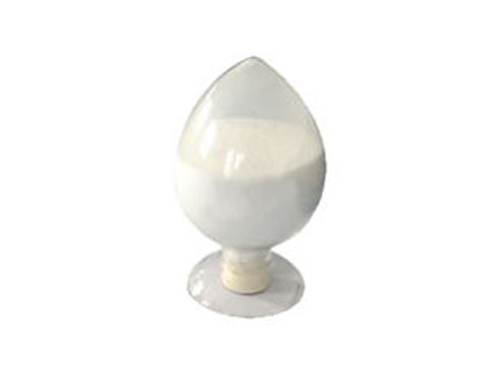
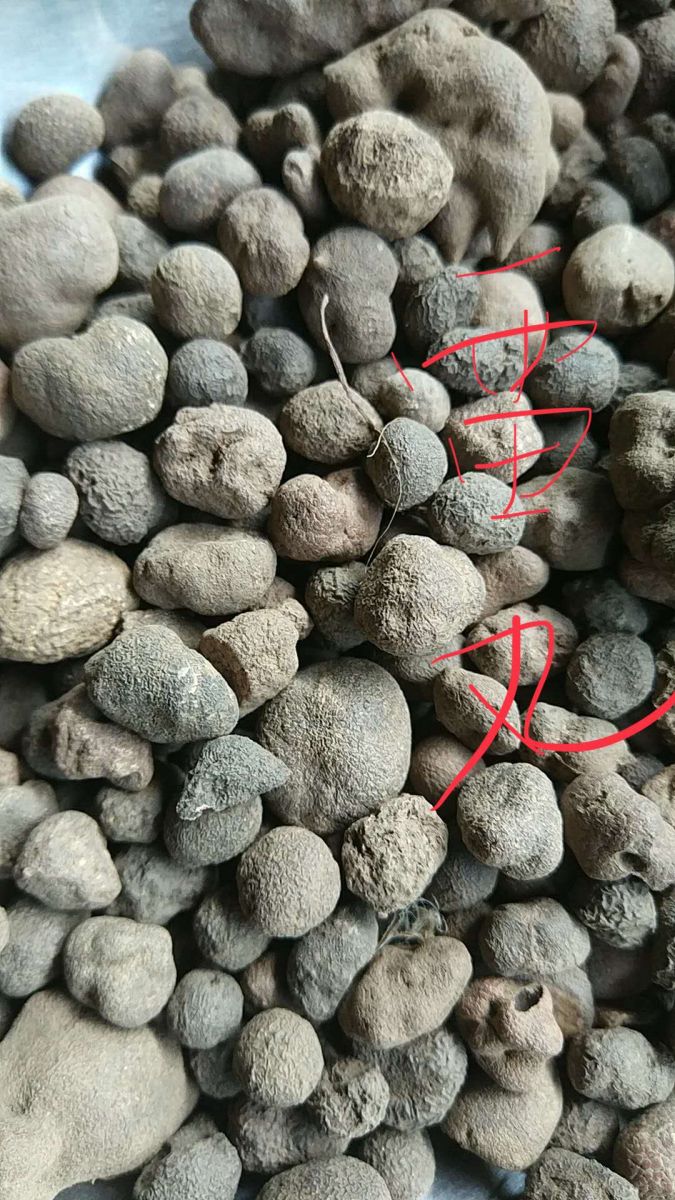
Thunderball, traditional Chinese medicine (TCM).
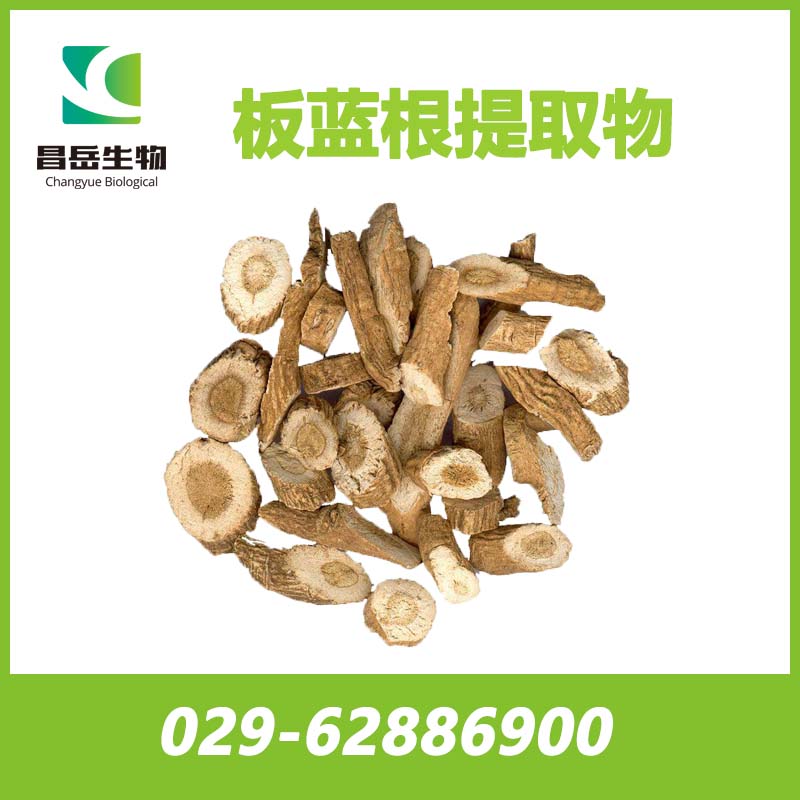
Polypores for porous genera of fungi thunderball Omphalia lapidescens Schroet. Dry sclerotia.
Has the insecticidal efficacy of this class of product.
Attending taeniasis, hookworm and ascariasis, infantile malnutrition
*The following content is generated by AI and is for reference only.
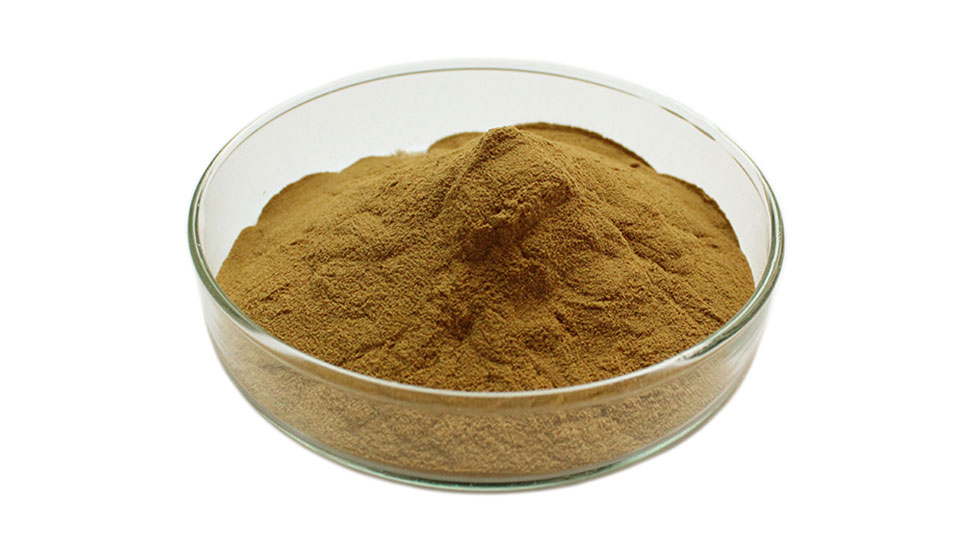
Omphalia extract, derived from the fruiting bodies of Omphalia species within the Agaricomycetes class, is a bioactive substance gaining attention in natural product research. While specific commercial formulations vary, the primary active components typically include polysaccharides, such as beta-glucans, and various phenolic compounds responsible for its immunomodulatory and antioxidant properties. Due to the taxonomic complexity and lack of a single standardized chemical entity, Omphalia extract does not possess a singular molecular formula or a universally recognized CAS number like a pure synthetic compound; rather, it is characterized by a complex mixture of biomolecules that define its functional profile.
Historically utilized in traditional medicine systems, particularly in East Asia, this extract has been employed to support immune system function and promote general vitality. Modern scientific inquiry focuses on its potential therapeutic applications, including anti-inflammatory effects and the ability to scavenge free radicals, which may contribute to cellular protection against oxidative stress. The high molecular weight polysaccharides found in the extract are often cited for their capacity to stimulate macrophage activity and enhance cytokine production, suggesting utility in adjunctive health therapies. Furthermore, preliminary studies indicate possible hepatoprotective benefits, aiding in liver detoxification processes.
In the commercial sector, Omphalia extract is primarily marketed as a dietary supplement ingredient or a functional food additive. It appears in capsule, powder, and liquid forms designed for consumers seeking natural immune support. Its application extends beyond human consumption into potential agricultural uses as a biostimulant to improve plant resilience, although this area remains largely exploratory. As with any mushroom-derived product, quality control is paramount to ensure the absence of contaminants and to standardize the concentration of active constituents. The industry continues to investigate optimal extraction methods to maximize yield while preserving the structural integrity of these delicate bioactive compounds. Future research aims to isolate specific fractions for targeted clinical trials, potentially unlocking new pathways for managing chronic inflammatory conditions and supporting overall metabolic health through nature-derived solutions.










 (All Rights Reserved)