Product Description
Product Introduction
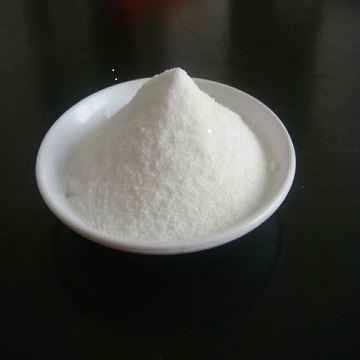
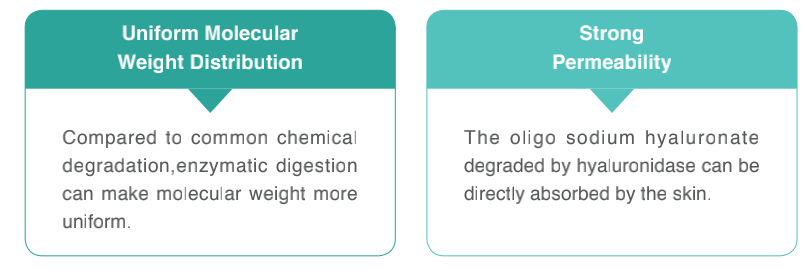
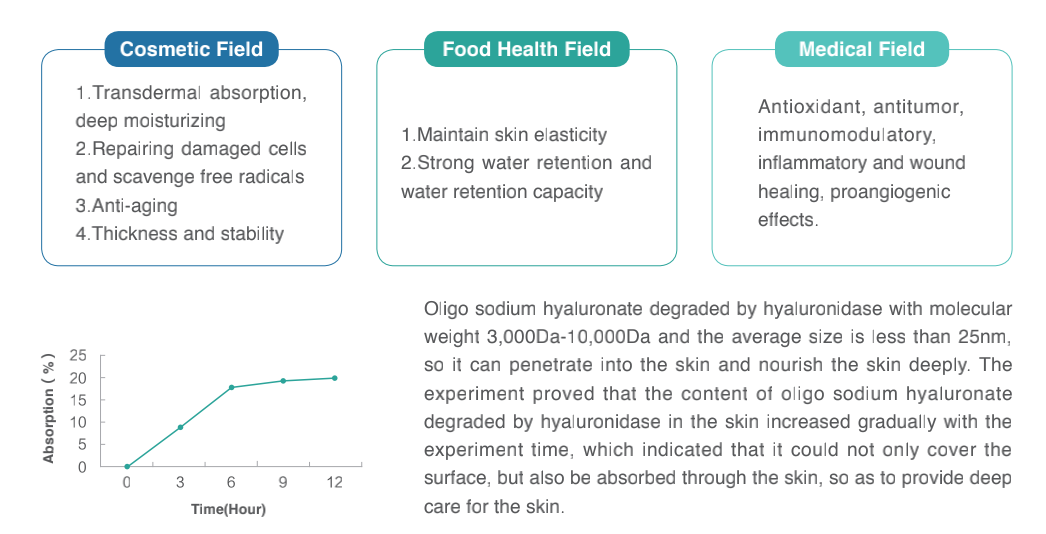
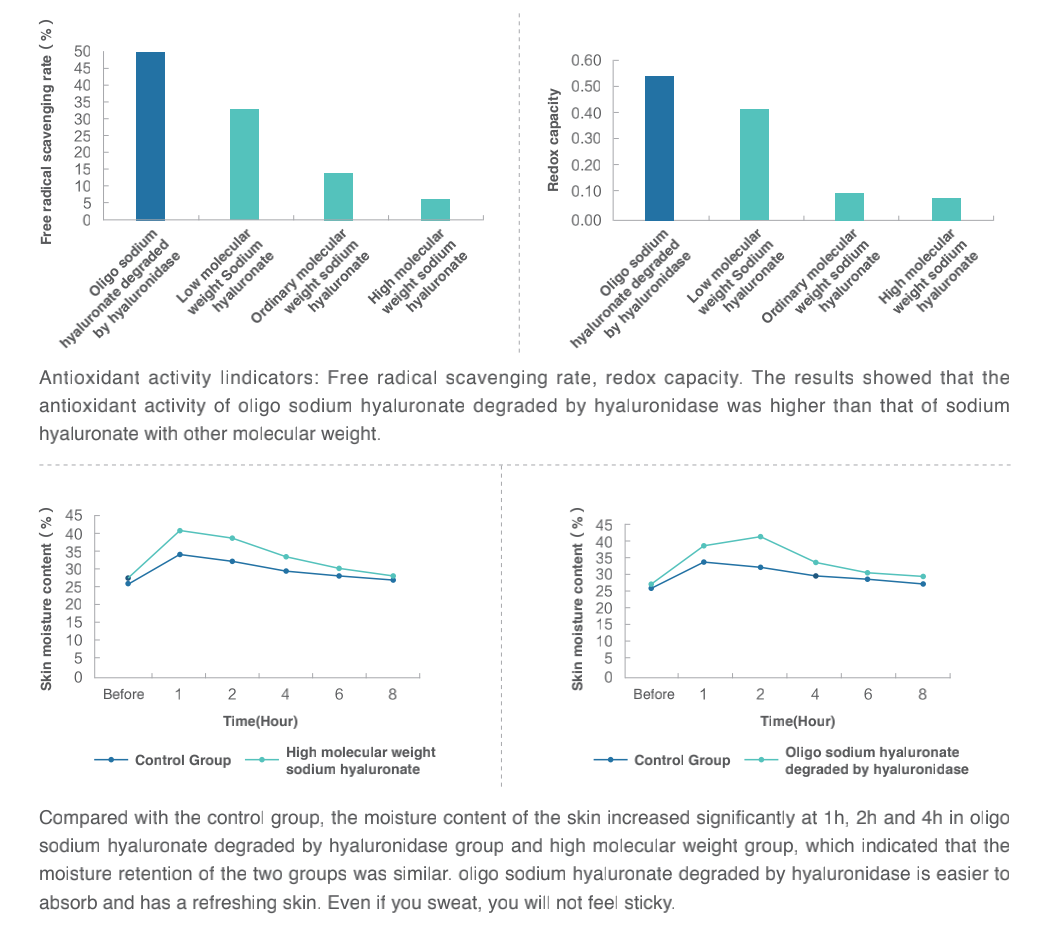
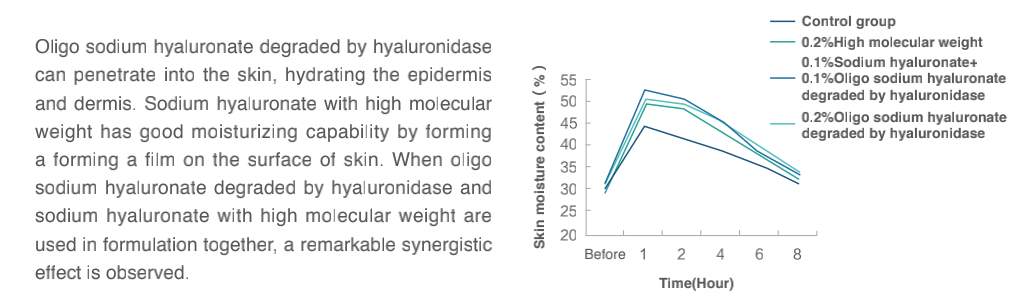
Oligo sodium hyaluronate degraded by hyaluronidase is a new product that developed by bio-enzymatic degradation technology. Its molecular weight is 3,000Da-10,000Da, which is more easily absorbed by the skin and has a deep moisturizing effect.
Product Characteristics
Application Range
AI Product Description
*The following content is generated by AI and is for reference only.
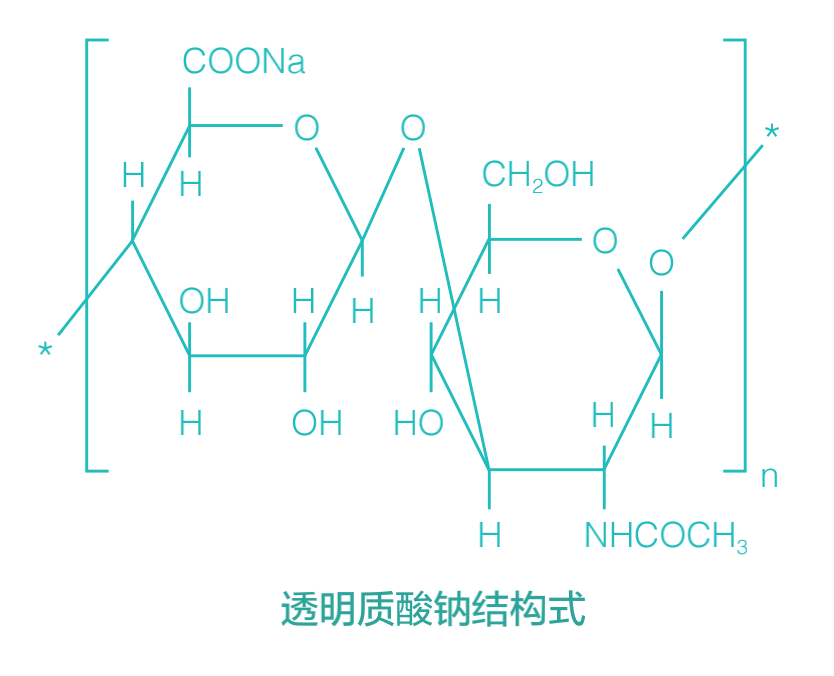
Oligo sodium hyaluronate degraded by hyaluronidase represents a specialized form of low-molecular-weight hyaluronic acid (HA) produced through enzymatic hydrolysis. Unlike high-molecular-weight HA, which forms viscous gels and acts primarily as a space-filling agent, this oligomeric variant possesses significantly reduced molecular weight due to the cleavage of glycosidic bonds by hyaluronidase enzymes. While a single universal chemical formula does not apply due to the polydisperse nature of the resulting mixture, the fundamental repeating unit corresponds to C₁₄H₂₀NNaO₁₁, representing the disaccharide backbone with sodium counterions. The specific CAS number varies depending on the exact chain length distribution and is often cited generally under ranges associated with low-molecular-weight HA rather than a single unique identifier, distinguishing it from standard high-molecular-weight formulations.
The primary application of this product lies in advanced dermatological and ophthalmological therapies. Its small molecular size enables superior skin penetration compared to larger HA molecules, allowing it to reach deeper dermal layers where it can effectively stimulate fibroblast activity. This interaction promotes endogenous collagen and elastin synthesis, making it a potent ingredient for anti-aging treatments, wound healing acceleration, and skin barrier repair. In ophthalmology, its rheological properties are advantageous for treating dry eye syndrome, providing sustained hydration without excessive viscosity that might blur vision. Furthermore, research indicates that these oligomers possess unique immunomodulatory effects; they can interact with cell surface receptors like CD44 and TLR2 to regulate inflammatory responses, offering potential benefits in managing conditions characterized by chronic inflammation or tissue damage.
In industrial contexts, this degraded form is utilized in pharmaceutical delivery systems as a carrier for active ingredients, enhancing transdermal absorption rates. It serves as a critical component in cosmetic serums designed for deep moisturization and rejuvenation, bridging the gap between surface-level hydration and cellular regeneration. As the demand for targeted, bioactive skincare solutions grows, oligo sodium hyaluronate remains a cornerstone ingredient, valued for its biocompatibility, safety profile, and ability to modulate biological processes at the cellular level. Its enzymatic production ensures a natural degradation pathway within the body, minimizing accumulation risks while maximizing therapeutic efficacy across diverse medical and cosmetic applications.






 (All Rights Reserved)