Product Description
Product specification :10:1 20:1
Detection method :TLC
Extract part: Bean
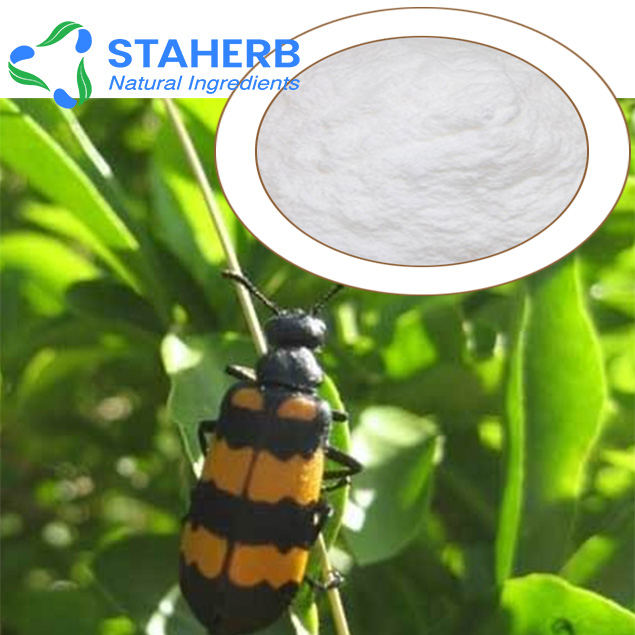
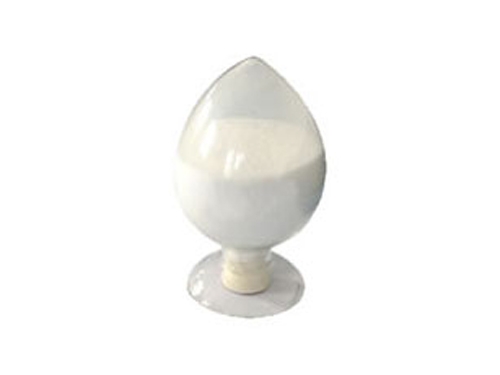
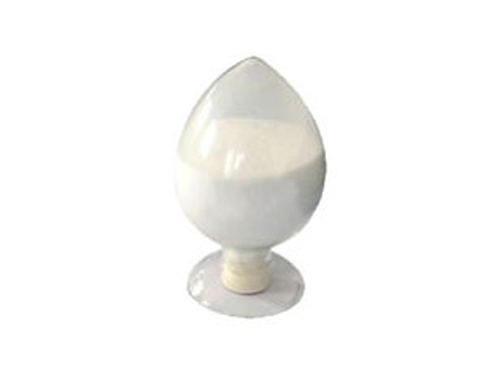
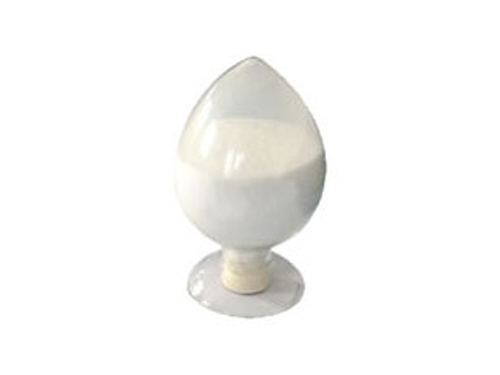
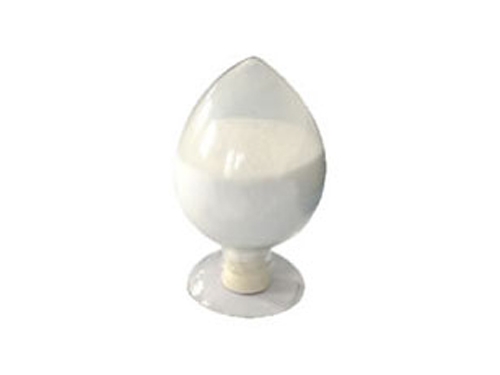
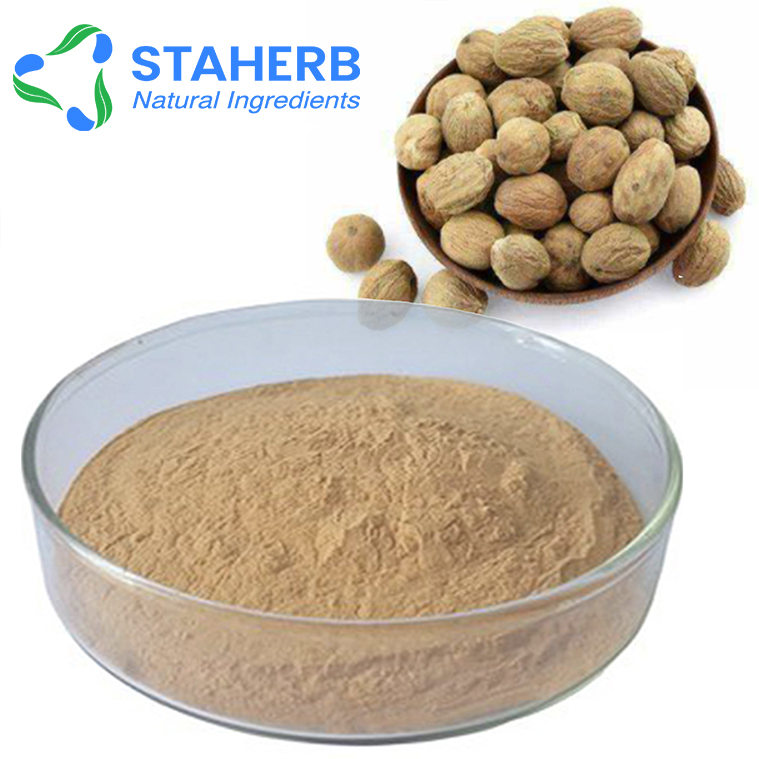
Product color: yellow Brown powder
fineness :80-100 mesh Drying method: spray drying
Shelf life: two years
Packaging: Zip-lock bag/aluminum foil bag/carton/cardboard barrel Manufacturer: Changsha Staherb Natural Ingredients Co., LTD.
Storage conditions: cool and dry place
AI Product Description
*The following content is generated by AI and is for reference only.
The search query "Nutmeg Cardamine Cardamon round cardamom cardamom extract" appears to conflate several distinct botanical entities rather than referring to a single chemical compound. Nutmeg, Cardamom (often spelled Cardamon), and their extracts are complex natural mixtures derived from seeds of the Myristicaceae and Zingiberaceae families, respectively. Conversely, *Cardamine* is a genus of flowering plants in the Brassicaceae family, commonly known as bittercress, which is chemically unrelated to the aromatic spices mentioned. Consequently, there is no singular molecular formula or CAS number that encompasses this entire list.
Nutmeg (*Myristica fragrans*) primarily contains myristicin and safrole, with specific compounds like myristicin having CAS numbers such as 93-15-2. True Cardamom, specifically green cardamom (*Elettaria cardamomum*), is rich in 1,8-cineole and alpha-terpinyl acetate, while black cardamom (*Amomum subulatum*) features different terpenoids. These spice extracts do not share a unified chemical structure; instead, they possess unique profiles defined by their specific essential oils and secondary metabolites. Their applications are vast within the global food and fragrance industries. In culinary contexts, nutmeg provides warm, nutty notes for both sweet desserts and savory meat dishes, whereas cardamom offers a refreshing, eucalyptus-like aroma essential in Indian curries, Scandinavian baking, and Middle Eastern coffee. Beyond gastronomy, these extracts serve critical roles in the perfume industry, providing base notes for oriental and spicy fragrances. Additionally, traditional medicine systems, including Ayurveda and TCM, utilize them for digestive health, breath freshening, and anti-inflammatory properties. Due to their complexity, commercial products are typically standardized based on major constituent levels rather than a single molecular weight. Consumers and manufacturers must distinguish between these ingredients to ensure accurate formulation, as substituting one for another alters the sensory profile and therapeutic potential significantly. The confusion in the original query highlights the importance of precise nomenclature when sourcing raw materials for industrial or pharmaceutical applications.











 (All Rights Reserved)