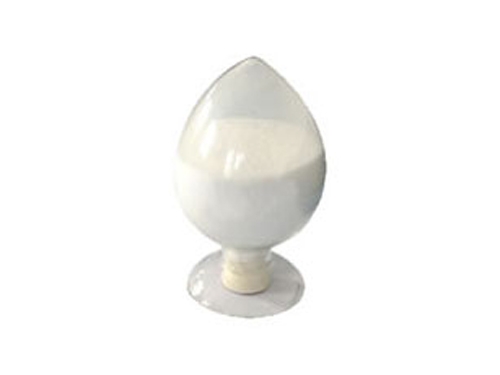
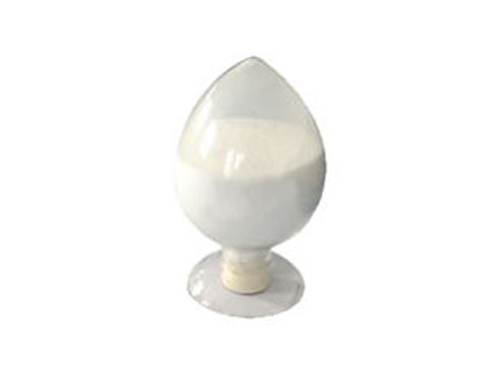
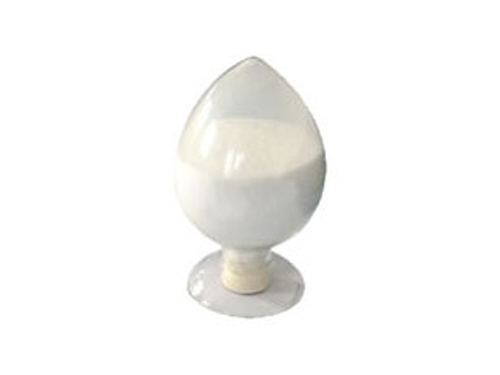
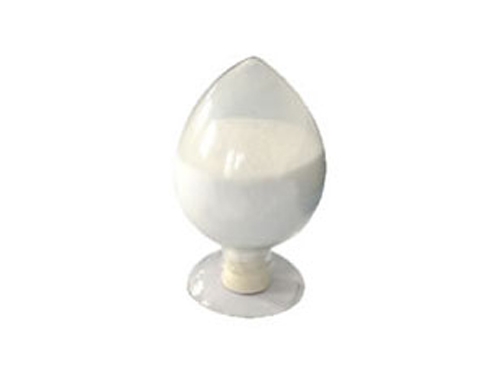
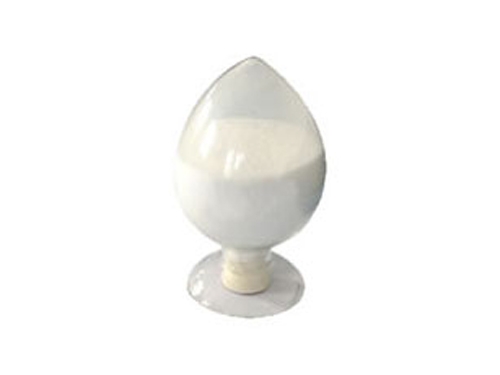
Product Description
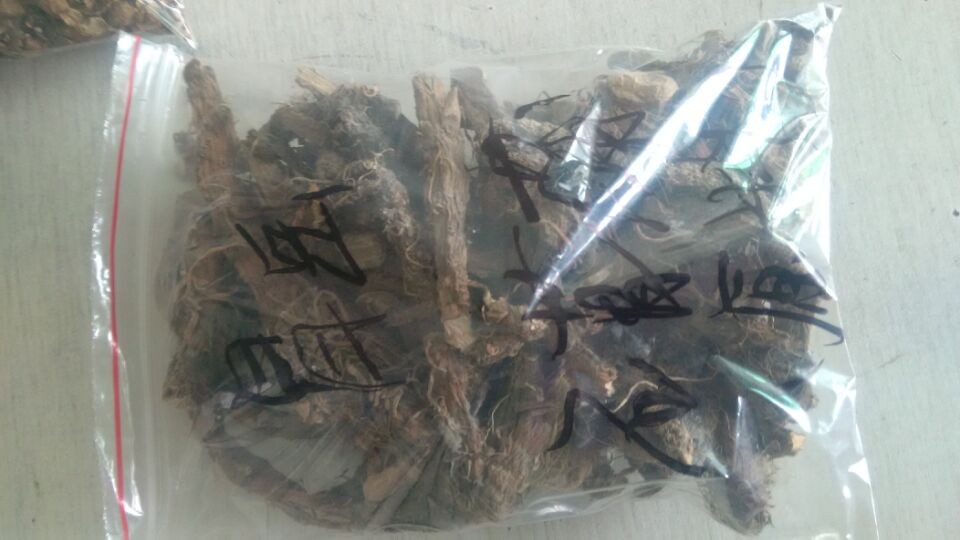
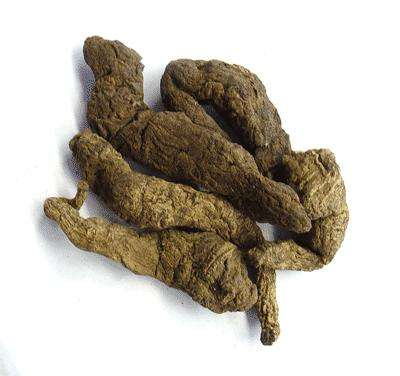
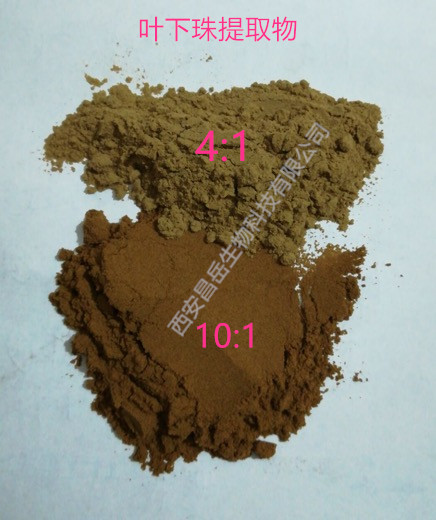
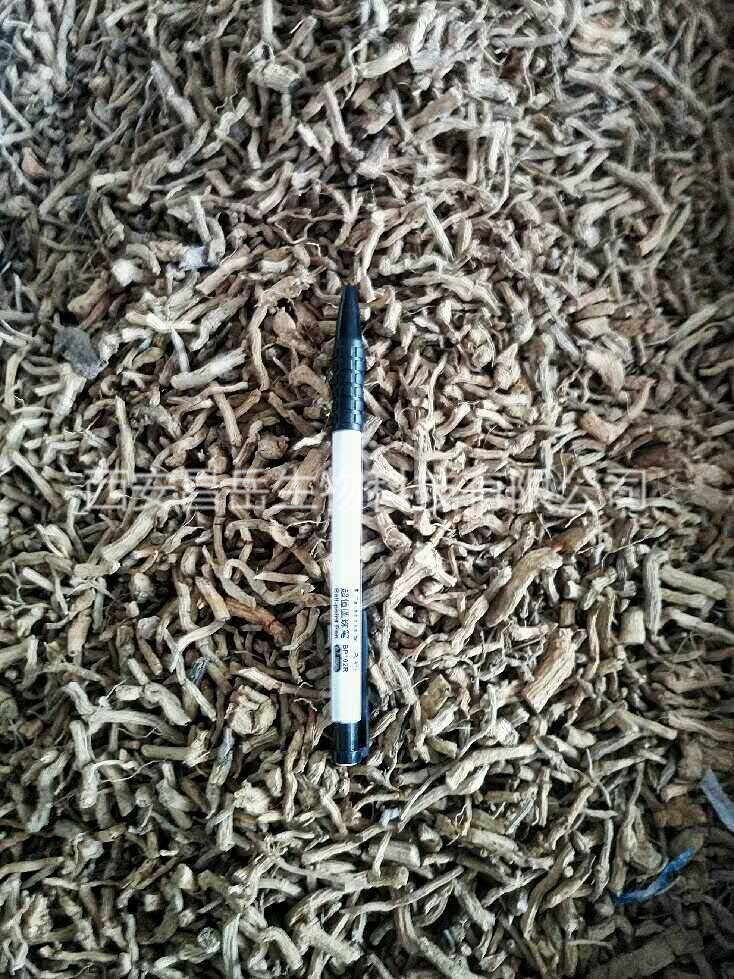
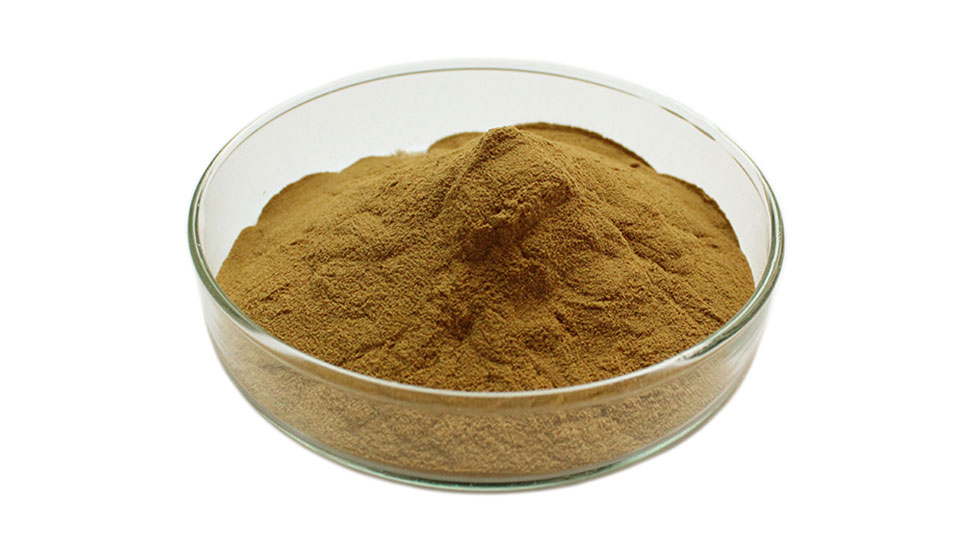
Noni leaf, root, peel, the fruit is rich in polysaccharide, but leaves USES mostly used in plant extracts in the industry, the main is more convenient transportation, and won't destroy the plant itself.
Polysaccharide has good immunity, anti-tumor, fall blood sugar, antiviral, fall hematic fat, and so on. Polysaccharide compounds, as a kind of new drugs, have side effects, high security, small advantages of good curative effect.
AI Product Description
*The following content is generated by AI and is for reference only.
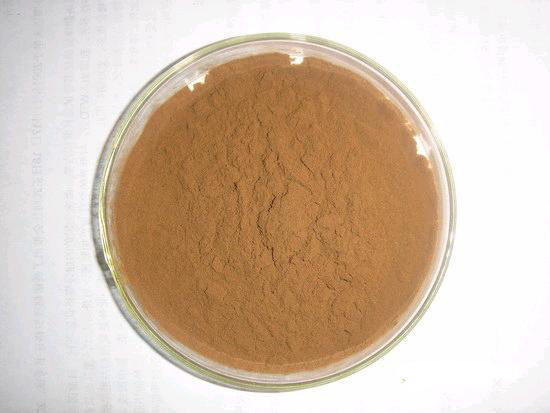
Noni fruit extract, derived from the tropical plant *Morinda citrifolia*, is a potent botanical ingredient widely utilized in cosmetics, dietary supplements, and functional foods. Unlike simple chemical compounds with a single molecular formula or CAS number, Noni extract is a complex mixture of bioactive phytochemicals. Consequently, it does not possess a unique molecular structure or a specific CAS registry number; instead, its composition varies based on extraction methods and geographical origin. Key constituents include iridoids (such as aucubin), phenolic compounds, flavonoids, triterpenes, and essential amino acids. The extract is renowned for its high antioxidant capacity, primarily attributed to these polyphenols which help neutralize free radicals and reduce oxidative stress in biological systems.
In the cosmetic industry, Noni fruit extract is prized for its anti-aging and skin-rejuvenating properties. It promotes collagen synthesis, improves skin elasticity, and aids in wound healing due to its anti-inflammatory effects. Formulators often incorporate it into serums, creams, and lotions to soothe irritated skin, reduce hyperpigmentation, and provide deep hydration. Its natural ability to regulate cellular turnover makes it an effective alternative to harsh synthetic exfoliants. Furthermore, in the nutraceutical sector, the extract is consumed to support immune function, alleviate joint pain, and maintain cardiovascular health. Traditional medicine systems have long revered this fruit for its broad-spectrum therapeutic potential, validating modern scientific findings regarding its efficacy.
The production of high-quality Noni extract requires careful processing to preserve volatile compounds and ensure stability. Standardization often focuses on marker compounds like scopoletin or ursolic acid to guarantee batch consistency, although no single universal standard exists globally. Consumers benefit from its natural profile, which offers a holistic approach to wellness without the side effects associated with synthetic additives. As research continues, the multifaceted applications of Noni fruit extract are expanding, cementing its status as a valuable resource in both preventive healthcare and advanced dermatological formulations. Its versatility underscores the importance of sustainable sourcing and rigorous quality control to maximize its health-promoting benefits for diverse populations worldwide.










 (All Rights Reserved)