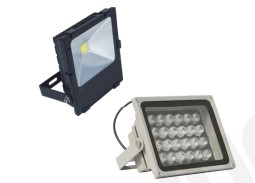
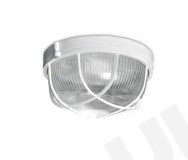
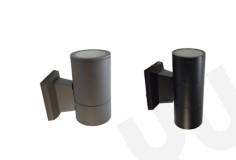
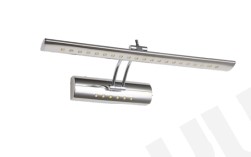
Product Description
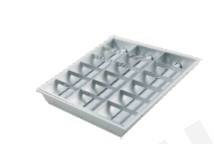
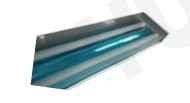
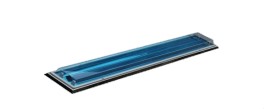
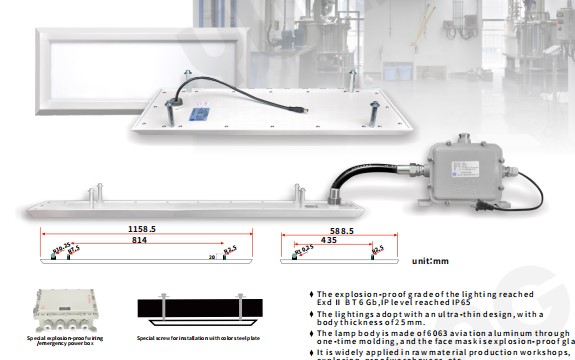
Model Item Size/mm Power/W Luminous Flux/LM Lighting Effect LM/W Kelvin/K Ra IP Level Explosion�Proof level Installation methods
YJFB02-26W 240*600*22 26w 2600
100 4500k 6500k 590nm ≥82 IP66 Exd IIB T6 Gb
Ceiling�mounted
with screw
rod
YJFB02-36W 240*1170*22 36w 3600
YJFB02-56W 240*1170*22 56w 5600
AI Product Description
*The following content is generated by AI and is for reference only.
This specialized lighting fixture is engineered specifically for critical environments where the simultaneous presence of flammable gases, vapors, or combustible dusts and ignition sources poses a severe risk. Primarily utilized in high-hazard industrial sectors such as oil and gas refineries, chemical processing plants, pharmaceutical manufacturing facilities, and grain handling silos, these units serve as essential safety infrastructure. Their core function is to provide reliable, uniform illumination without acting as an ignition point, thereby ensuring operational continuity while safeguarding personnel and assets against catastrophic explosions.
Constructed with robust materials, typically featuring heavy-duty aluminum housings with anti-corrosive coatings, these lights are designed to withstand harsh conditions including extreme temperatures, humidity, and corrosive chemicals. The internal components are meticulously sealed to prevent any electrical arc, spark, or excessive surface heat from escaping into the surrounding atmosphere. This containment capability allows them to operate safely within Zone 1, Zone 2, Zone 21, or Zone 22 hazardous areas, depending on specific regional certification standards like ATEX or IECEx. Furthermore, the optical design often incorporates high-efficiency LEDs that deliver consistent brightness with minimal energy consumption and reduced maintenance requirements compared to traditional technologies.
When installing or maintaining this equipment, strict adherence to local regulations and manufacturer guidelines is paramount. Personnel must ensure that all wiring connections are performed by qualified electricians using appropriate conduit systems designed for hazardous locations. Regular inspection of seals, gaskets, and housing integrity is crucial to maintain the explosion-proof rating over time. Any modification, drilling, or unauthorized disassembly can compromise the safety certification and create dangerous vulnerabilities. Additionally, cleaning procedures must avoid solvents that could degrade sealing materials or leave conductive residues. By integrating these advanced fixtures into facility designs, organizations significantly mitigate fire risks while maintaining optimal visibility for complex industrial operations, ensuring both regulatory compliance and workforce safety in volatile environments.





 (All Rights Reserved)