*The following content is generated by AI and is for reference only.
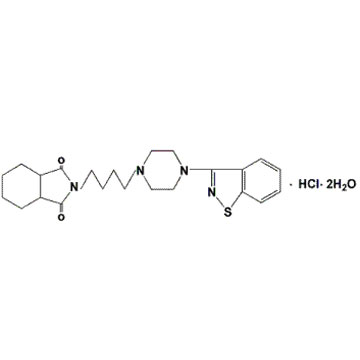
Nitroxynil Injection 25% is a highly effective anthelmintic medication widely utilized in veterinary medicine, specifically for the treatment of gastrointestinal nematodes and liver flukes in ruminant livestock. Chemically known as Nitroxynil, this compound belongs to the class of thiophenol derivatives. Its molecular formula is C16H17NO4S2, and it is identified by the CAS Registry Number 1839-70-1. The active ingredient functions primarily by disrupting the energy metabolism of parasitic worms, leading to their rapid paralysis and death. The 25% injection formulation ensures precise dosage delivery, making it particularly valuable for controlling infestations caused by *Fasciola hepatica* (liver fluke) and various species of *Haemonchus*, *Trichostrongylus*, and *Ostertagia* in cattle, sheep, and goats.
This product is distinguished by its high efficacy against adult flukes and developing stages of parasites that are often resistant to other classes of anthelmintics. The injectable nature allows for systemic distribution, ensuring the drug reaches target organs where parasites reside. It is commonly employed in pasture-based farming systems where parasite burdens can escalate quickly during warm, moist seasons. Veterinary professionals rely on Nitroxynil Injection 25% to maintain herd health, improve weight gain, and prevent production losses associated with chronic parasitic infections. Safety protocols require adherence to withdrawal periods before meat or milk consumption to ensure food safety compliance. While generally well-tolerated, overdosing can cause transient side effects such as salivation or mild muscle tremors. As global agriculture faces increasing challenges from drug-resistant parasites, Nitroxynil remains a critical tool in integrated parasite management strategies. Its continued availability supports sustainable livestock production by safeguarding animal welfare and economic viability. Farmers must consult veterinary guidelines to determine optimal timing and dosage based on local resistance patterns and specific herd requirements.