Product Description
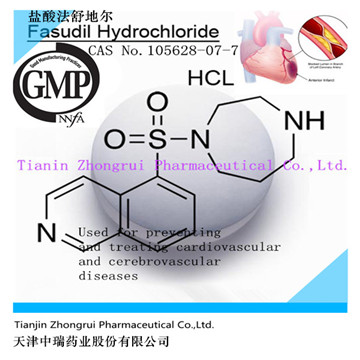
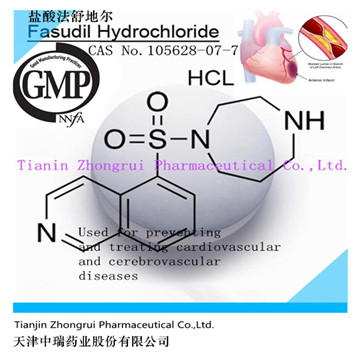
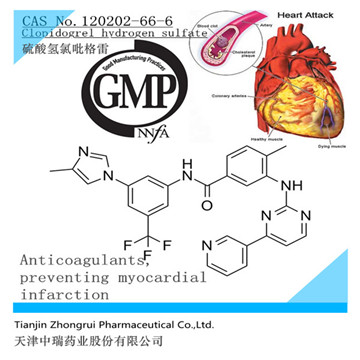
Melting point: 234-238 °C;Chloride: 0.02%;Sulfate: 0.02%;Loss on drying: 0.5%;Residue on ignition: 0.1%;Heavy metals: 0.002%.The aqueous solution is acidity. It is dissolvable in boiling water or boiling ethanol, slightly dissolvable in water, hardly soluble in ethanol, and freely soluble in carbonate solution or aqueous alkali.
AI Product Description
*The following content is generated by AI and is for reference only.
Niacin, commonly known as Vitamin B3 or nicotinic acid, is a water-soluble vitamin essential for human health and widely utilized in both pharmaceutical and nutritional industries. Its molecular formula is C6H5NO2, and it carries the Chemical Abstracts Service (CAS) number 59-67-6. Structurally, niacin consists of a pyridine ring substituted with a carboxylic acid group at the 3-position, distinguishing it from its amide counterpart, niacinamide, which has different solubility and physiological properties.
As a critical component of the coenzymes nicotinamide adenine dinucleotide (NAD) and NAD phosphate (NADP), niacin plays a pivotal role in cellular metabolism. These coenzymes facilitate hundreds of redox reactions within the body, crucial for converting food into energy, repairing DNA, and maintaining cell communication. Consequently, niacin deficiency leads to pellagra, a disease characterized by dermatitis, diarrhea, dementia, and eventually death if untreated. In modern clinical practice, niacin is primarily prescribed to manage dyslipidemia. It effectively lowers triglycerides and low-density lipoprotein (LDL) cholesterol while significantly raising high-density lipoprotein (HDL) cholesterol levels. This lipid-modifying capability makes it a valuable therapeutic agent for reducing cardiovascular risk in patients who cannot tolerate statins or require additional lipid control.
Beyond medical applications, niacin is extensively added to fortified foods such as cereals, flours, and breads to prevent nutritional deficiencies in populations. It is also a common ingredient in dietary supplements and cosmetic formulations, where it supports skin barrier function and reduces inflammation. The compound is generally stable under normal storage conditions but can degrade under extreme heat or pH variations. While highly beneficial, high-dose niacin therapy requires medical supervision due to potential side effects like cutaneous flushing, hepatotoxicity, and hyperglycemia. Overall, niacin remains a cornerstone molecule in biochemistry and public health, bridging the gap between basic metabolic needs and advanced therapeutic interventions for chronic diseases.





 (All Rights Reserved)