Product Description
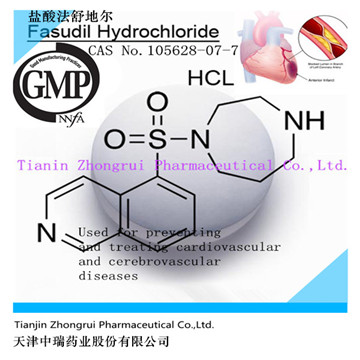
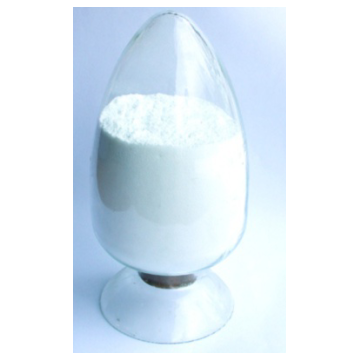
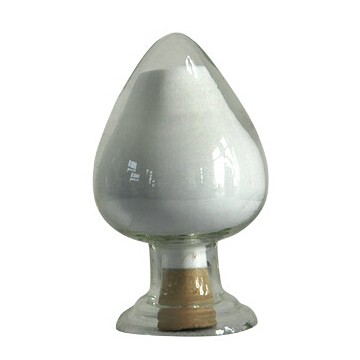
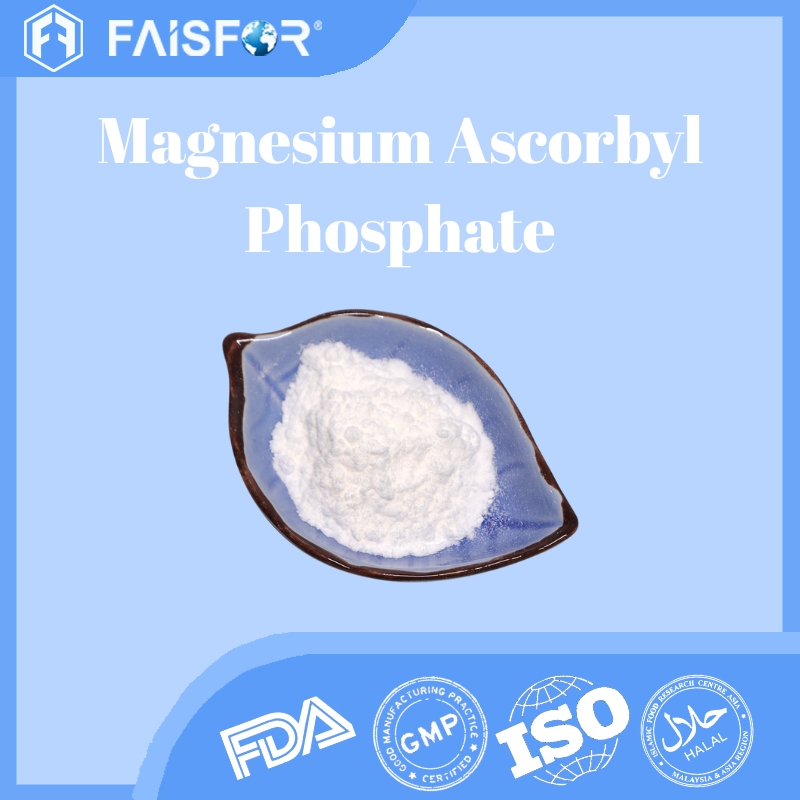
The product is white crystal or crystalline powder, odorless or light odor, light sour in taste. The aqueous solution is acidity. It is dissolvable in boil water or boil ethanol, slightly dissolvable in water, hardly soluble in ethanol, freely soluble in carbonate solution or aqueous alkali.
AI Product Description
*The following content is generated by AI and is for reference only.
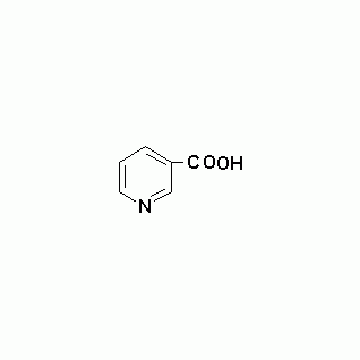
Niacin, chemically known as nicotinic acid or vitamin B3, is a vital water-soluble vitamin essential for human health and widely utilized across pharmaceutical, nutritional, and industrial sectors. Its molecular formula is C6H5NO2, with a precise CAS registry number of 59-67-6. Structurally, it consists of a pyridine ring substituted with a carboxylic acid group at the 3-position, granting it unique chemical stability and biological activity. As an indispensable component of coenzymes NAD and NADP, niacin plays a critical role in cellular metabolism, facilitating energy production from carbohydrates, fats, and proteins. It supports DNA repair, cell signaling, and antioxidant defense mechanisms, making it fundamental for maintaining healthy skin, nerves, and digestion.
In clinical practice, niacin is primarily prescribed to manage dyslipidemia. It effectively lowers triglycerides and low-density lipoprotein (LDL) cholesterol while significantly raising high-density lipoprotein (HDL) cholesterol levels. This lipid-modulating property makes it a cornerstone therapy for reducing cardiovascular risk in patients with hypercholesterolemia. Beyond its metabolic functions, niacin is extensively used in food fortification programs to prevent pellagra, a disease characterized by dermatitis, diarrhea, and dementia caused by severe vitamin deficiency. It is commonly added to cereals, flours, and dietary supplements to ensure adequate population intake.
The pharmaceutical industry manufactures niacin in various forms, including immediate-release tablets, extended-release formulations, and injectable solutions, tailored to specific therapeutic needs and patient tolerance profiles. While generally safe, high-dose supplementation may cause transient cutaneous flushing, a harmless but uncomfortable side effect mediated by prostaglandin release. Industrial applications also include its use as a precursor in synthesizing other vitamins, agrochemicals, and specialty polymers. With a long history of safety and efficacy, niacin remains one of the most accessible and cost-effective micronutrients globally, bridging the gap between basic nutrition and advanced medical intervention. Its versatility ensures continued relevance in modern healthcare strategies aimed at promoting longevity and preventing chronic diseases associated with metabolic dysfunction.





 (All Rights Reserved)