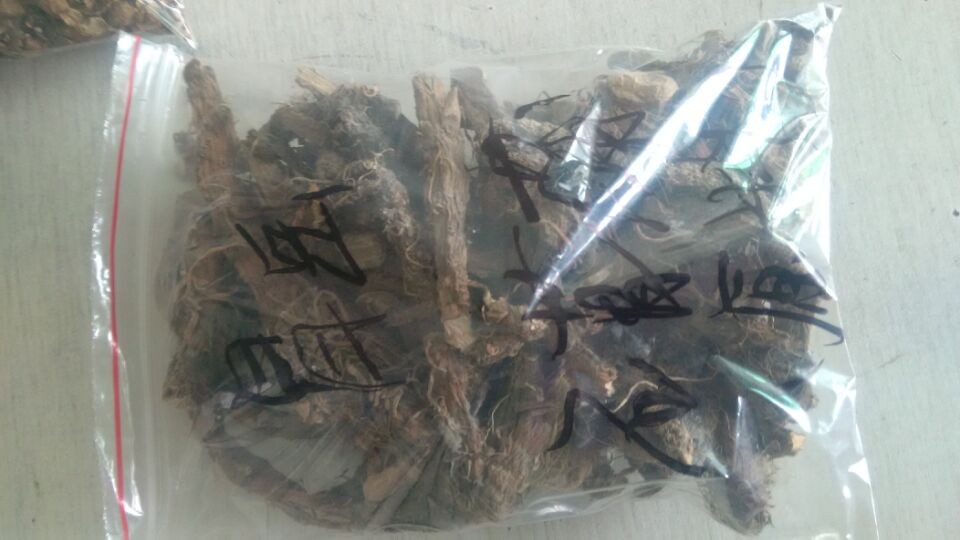
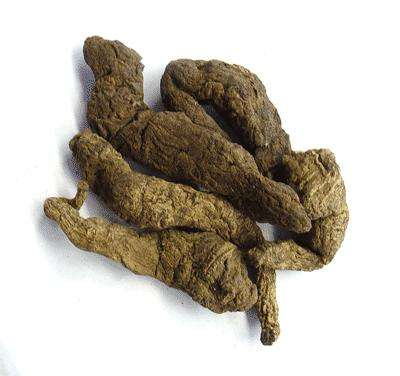
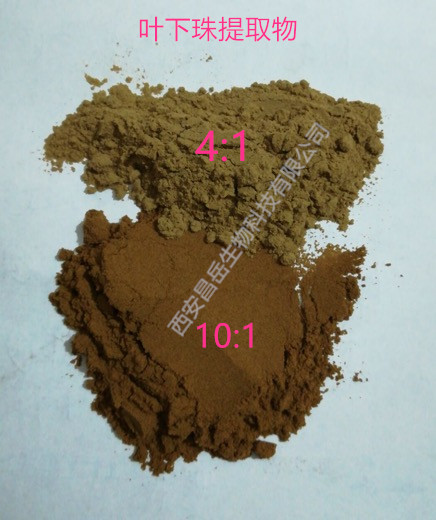
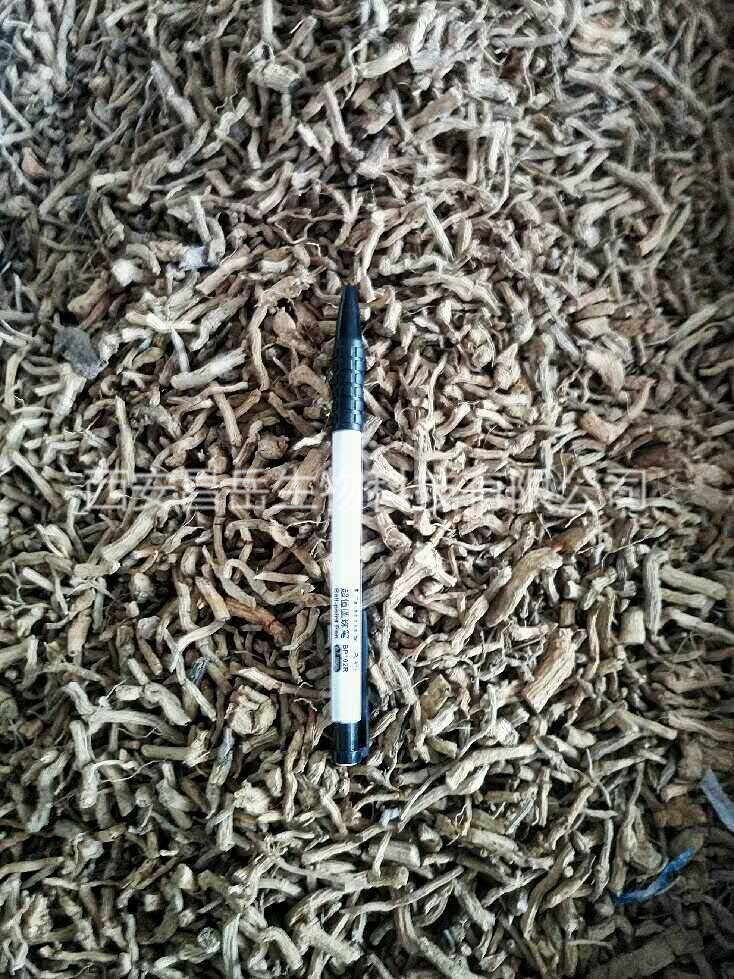
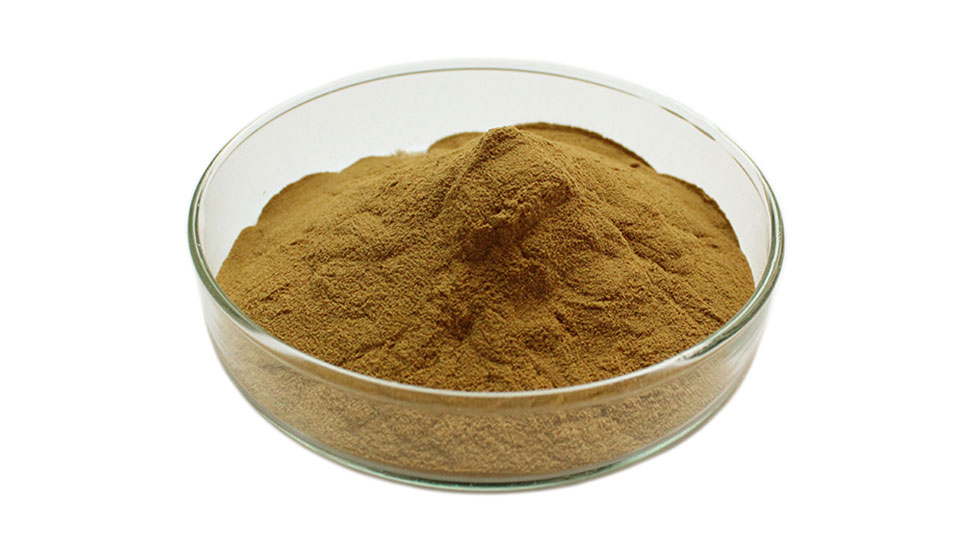
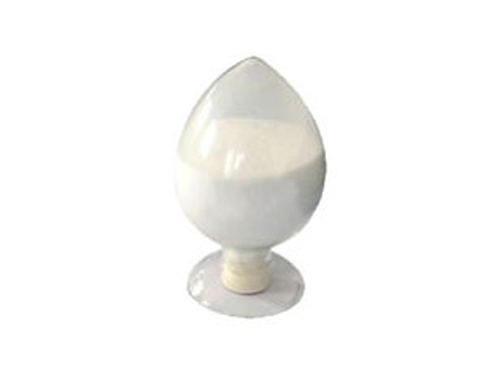
Nettle extract for urticaceae plants hemp leaf nettle UrticacannabinaL., wide leaf nettle UrticalaetevirensMaxim. Narrow leaf, nettle UrticaangustifoliaFischChemicalbook. ExHornem. All the dry grass extract, mainly contain flavonoids, lignans, steroids, lipids, organic acids, protein, tannin, chlorophyll, alkaloid and polysaccharide and other components.
Is rheumatism, fall blood sugar, and treatment of benign prostatic hypertrophy biological activity.
*The following content is generated by AI and is for reference only.
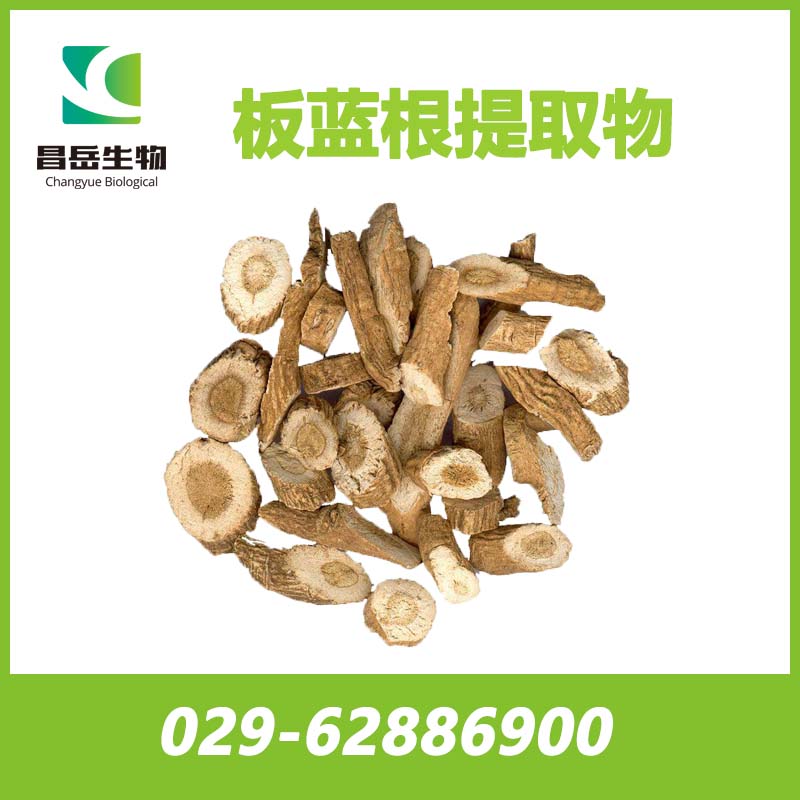
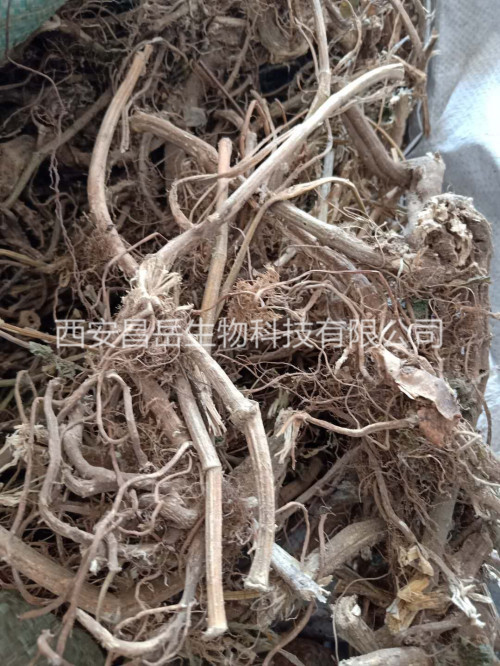
Nettle Root Extract, derived from the dried roots of *Urtica dioica* (stinging nettle), is a widely utilized botanical ingredient in dietary supplements and cosmetic formulations. Unlike the leaves, which are rich in flavonoids and chlorophyll, the root contains distinct bioactive compounds such as beta-sitosterol, lignans, ferulic acid, and mannitol. Because it is a complex natural mixture rather than a single isolated chemical entity, Nettle Root Extract does not possess a single molecular formula or a specific CAS number. Instead, commercial extracts are typically identified by their source material and extraction method, often referenced under general plant extract classifications or specific standardized fractions used in clinical studies.
The primary application of this extract lies in its traditional and modern use for supporting male urinary tract health. It is extensively studied and marketed for managing symptoms of benign prostatic hyperplasia (BPH), including frequent urination, nocturia, and incomplete bladder emptying. The mechanism is believed to involve the inhibition of 5-alpha-reductase, an enzyme that converts testosterone into dihydrotestosterone (DHT), a hormone implicated in prostate enlargement. By modulating this pathway, the extract helps reduce prostate volume and improve urine flow without the side effects associated with synthetic pharmaceuticals.
In the cosmetics industry, Nettle Root Extract serves as a valuable anti-inflammatory and sebum-regulating agent. Its high content of antioxidants helps protect skin cells from oxidative stress caused by environmental pollutants and UV radiation. Furthermore, its ability to soothe irritation makes it suitable for treating sensitive skin conditions like acne and dermatitis. When incorporated into serums, shampoos, and lotions, it promotes a balanced scalp environment, potentially reducing dandruff and strengthening hair follicles. As a natural alternative to synthetic drugs, it offers a gentle yet effective approach to maintaining hormonal balance and skin integrity. Consumers should note that while generally safe, individuals taking blood thinners or diabetes medications should consult healthcare providers before use due to potential interactions.










 (All Rights Reserved)