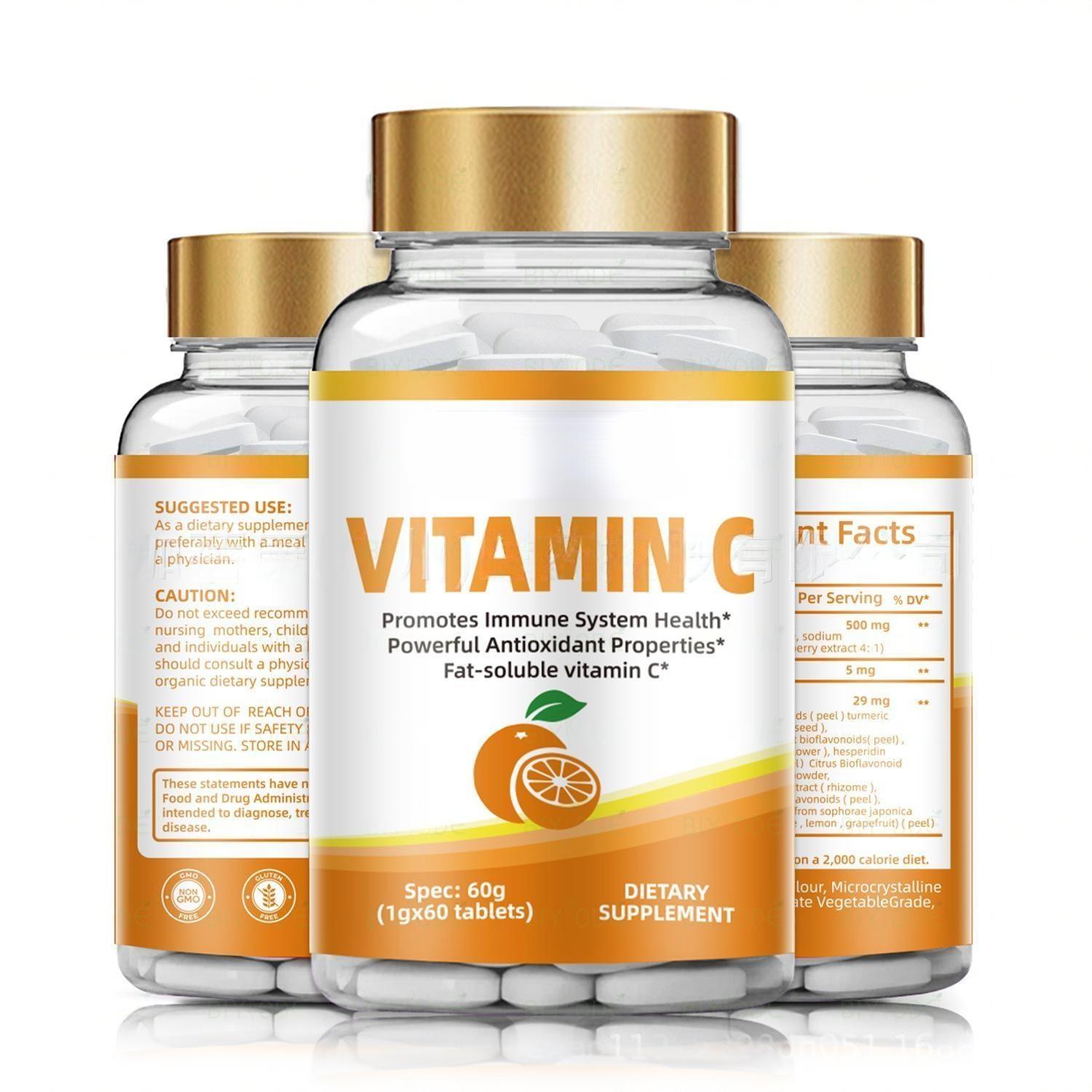
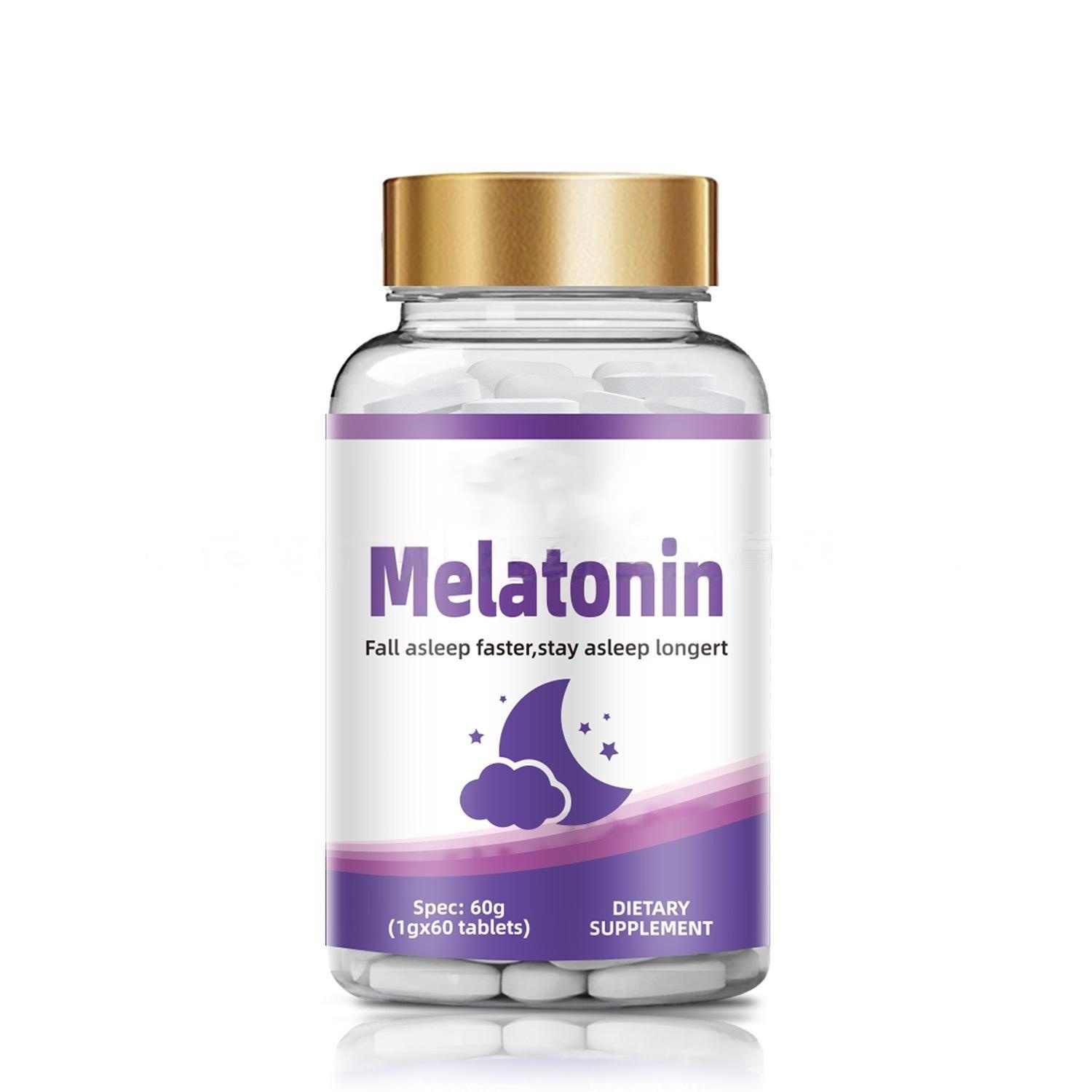
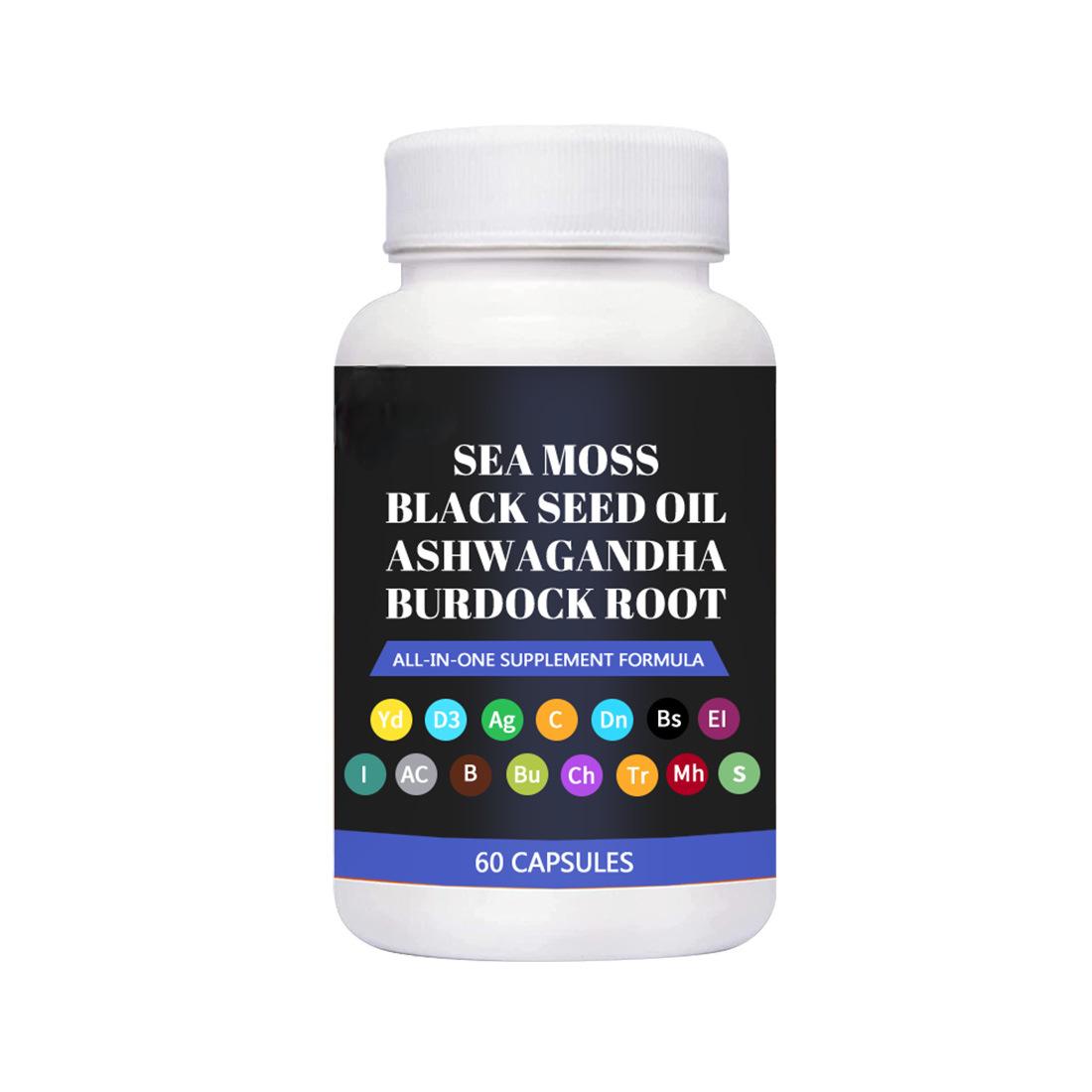
We are professional Raw Material Manufacturer, with more than 10 years' experience.
Please contact us for more information and detailed quotation
Email: sales12@sgonekbio.com
Phone/WhatsApp/Wechat: +86 13572550462


*The following content is generated by AI and is for reference only.
Nervonic acid, chemically known as (Z)-9-tetracosenoic acid, is a long-chain monounsaturated fatty acid characterized by a 24-carbon backbone with a single double bond at the ninth carbon position. Its molecular formula is C24H46O2, and it carries the CAS Registry Number 105-07-3. This bioactive lipid plays a pivotal role in biological systems, primarily serving as a critical structural component of myelin sheaths that insulate nerve fibers in the central nervous system. The presence of nervonic acid ensures the rapid transmission of electrical impulses, which is essential for proper neurological function and cognitive development.
In terms of industrial and therapeutic applications, nervonic acid has garnered significant attention due to its potential neuroprotective properties. It is widely utilized in the formulation of dietary supplements and nutraceuticals aimed at supporting brain health, particularly for individuals suffering from neurodegenerative conditions such as X-linked adrenoleukodystrophy (X-ALD). In X-ALD, the body fails to break down very long-chain fatty acids, leading to toxic accumulation; therefore, specific formulations containing high-purity nervonic acid are often used to restore balance and support remyelination processes. Furthermore, research suggests its efficacy in mitigating age-related cognitive decline and enhancing memory retention, making it a valuable ingredient in anti-aging skincare products designed to promote cellular regeneration and skin barrier integrity.
The synthesis of nervonic acid can be achieved through various chemical pathways or extracted from natural sources like vegetable oils, though synthetic methods often provide higher purity for pharmaceutical use. Its solubility profile allows it to be incorporated into liposomes and emulsions, facilitating better absorption in biological tissues. As scientific understanding of lipid metabolism deepens, nervonic acid continues to emerge as a key molecule in the development of novel treatments for neurological disorders. With ongoing clinical trials exploring its broader therapeutic windows, this compound represents a promising frontier in both medical science and wellness industries, offering hope for improved quality of life for patients with compromised nervous systems.







 (All Rights Reserved)