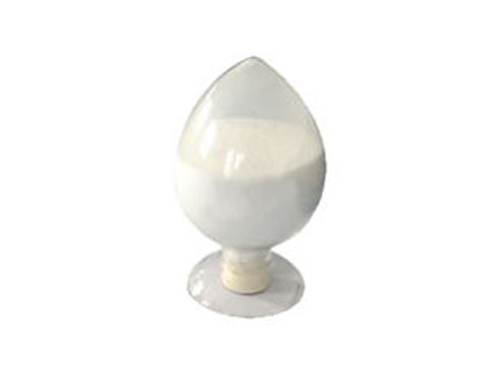
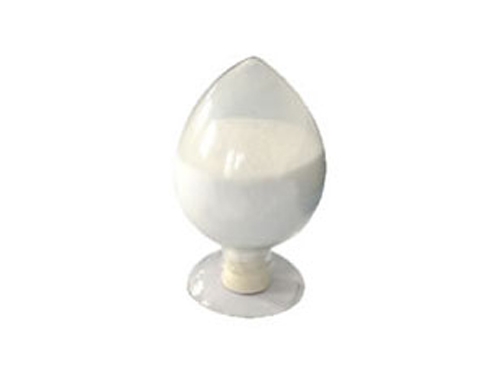
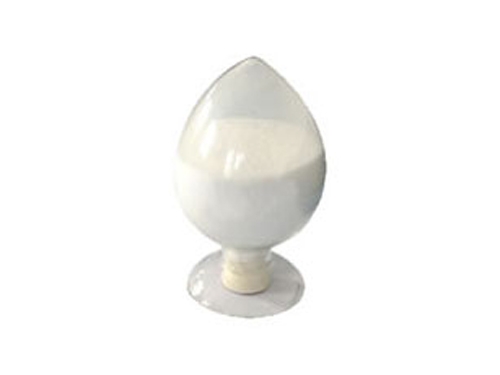
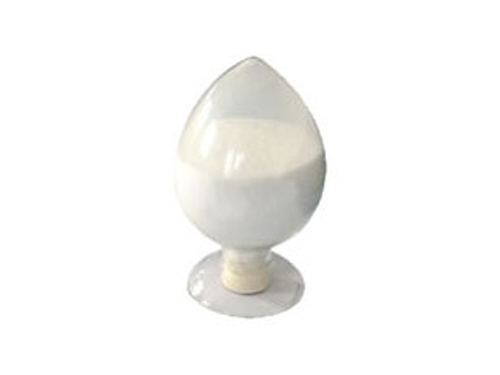
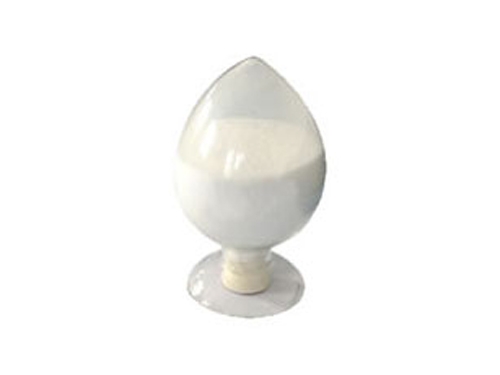
Product Description
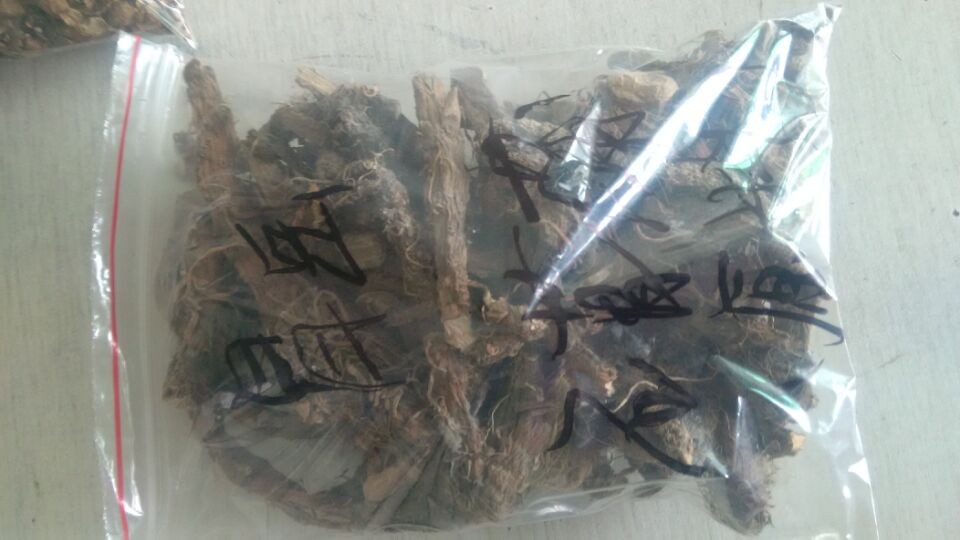
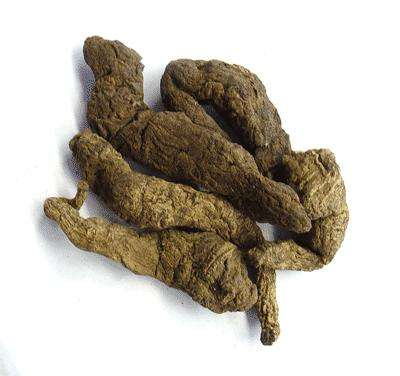
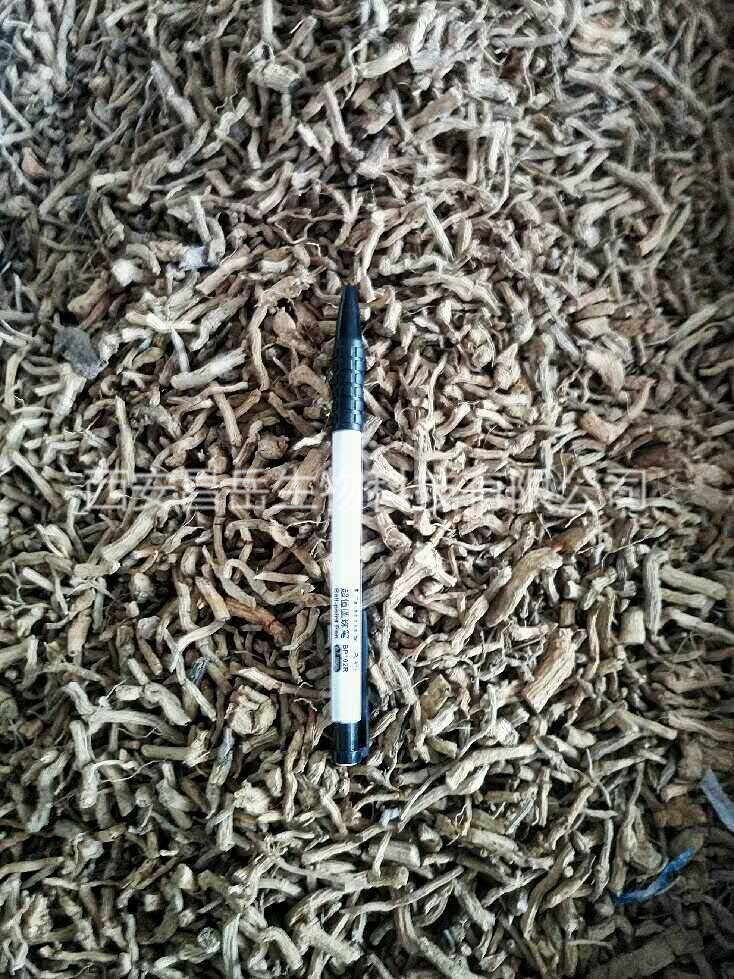
Indigo naturalis powder for dicotyledonous plants medicine angiospermae Bahamas blue, dicotyledonous plants legumes wooden blue, dicotyledons crucifer woad, grass green or dry pigment in polygonaceae plants indigo leaves.
AI Product Description
*The following content is generated by AI and is for reference only.
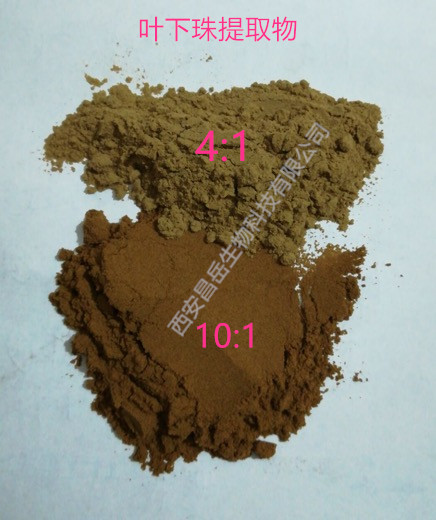
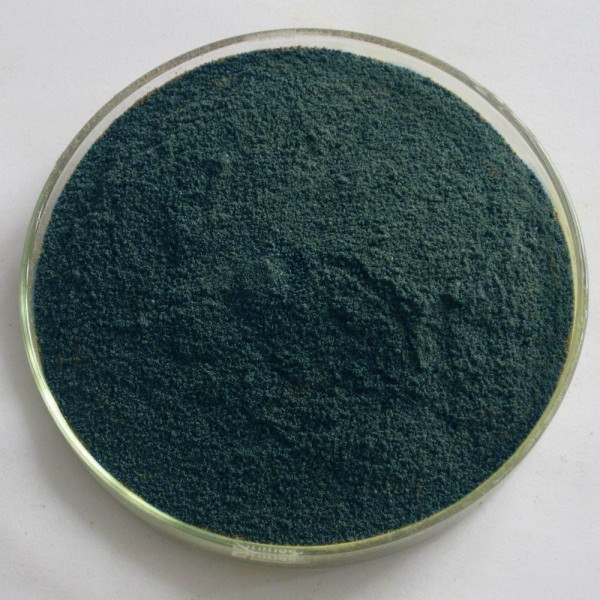
Natural indigo extract is a renowned, eco-friendly dye derived primarily from the leaves of plants in the *Indigofera* genus, such as *Indigofera tinctoria*, as well as from *Polygonum tinctorium*. Unlike synthetic counterparts, this pigment offers a sustainable alternative for textile coloring, adhering to strict environmental and health standards. The chemical identity of pure natural indigo is characterized by the molecular formula C₁₆H₁₀N₂O₂ and the CAS number 83-61-8. Structurally, it exists as an insoluble blue pigment that requires a reduction process to become water-soluble before application, allowing fibers to absorb the color effectively. Once oxidized upon exposure to air, the dye reverts to its insoluble, vibrant blue state, creating durable bonds with fabric.
The primary application of natural indigo extract lies in the denim and fashion industries, where it is prized for producing classic blue hues on cotton and other cellulosic fibers. Its use extends beyond textiles to include food coloring, cosmetics, and traditional medicinal practices in various cultures due to its perceived anti-inflammatory properties. As consumer demand shifts towards non-toxic and biodegradable products, natural indigo has gained significant traction among manufacturers seeking compliance with global regulations like REACH and OEKO-TEX. The extraction process typically involves fermentation or enzymatic treatment to convert indican precursors into indoxyl, which then dimerizes to form indigo. This botanical origin ensures minimal ecological footprint compared to petrochemical-based dyes, reducing water pollution and hazardous waste generation. Furthermore, the unique depth and character of natural indigo often result in distinct fading patterns, highly valued in artisanal craftsmanship. While production costs are generally higher than synthetic options, the premium quality and marketability of "natural" labels justify the investment for high-end brands. Consequently, natural indigo extract stands as a cornerstone of the green chemistry movement, bridging ancient traditions with modern sustainability goals in the global dye market.










 (All Rights Reserved)