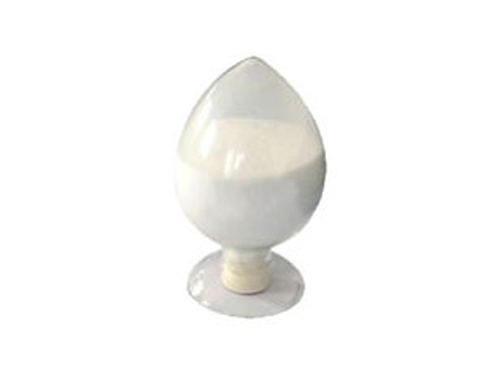
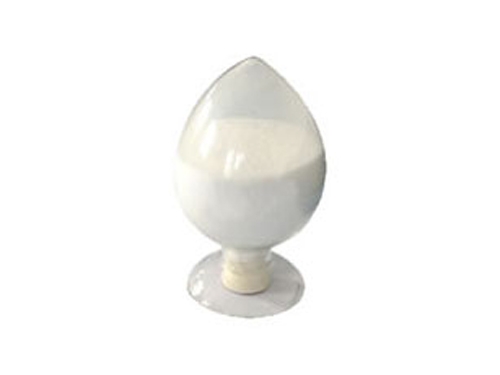
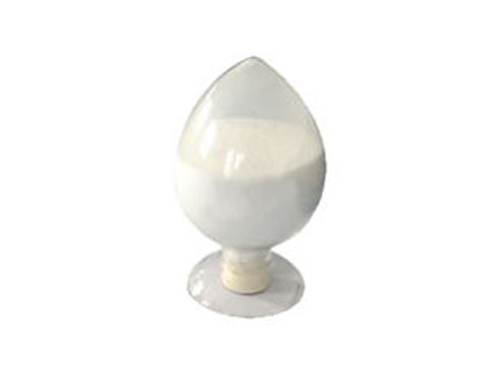
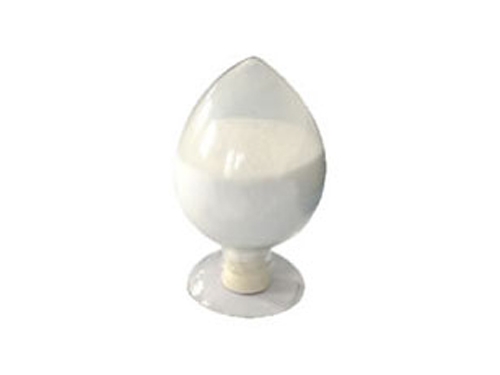
Product Description
We are professional Raw Material Manufacturer, with more than 10 years' experience.
Please contact us for more information and detailed quotation
Email: sales12@sgonekbio.com
Phone/WhatsApp/Wechat: +86 13572550462

AI Product Description
*The following content is generated by AI and is for reference only.
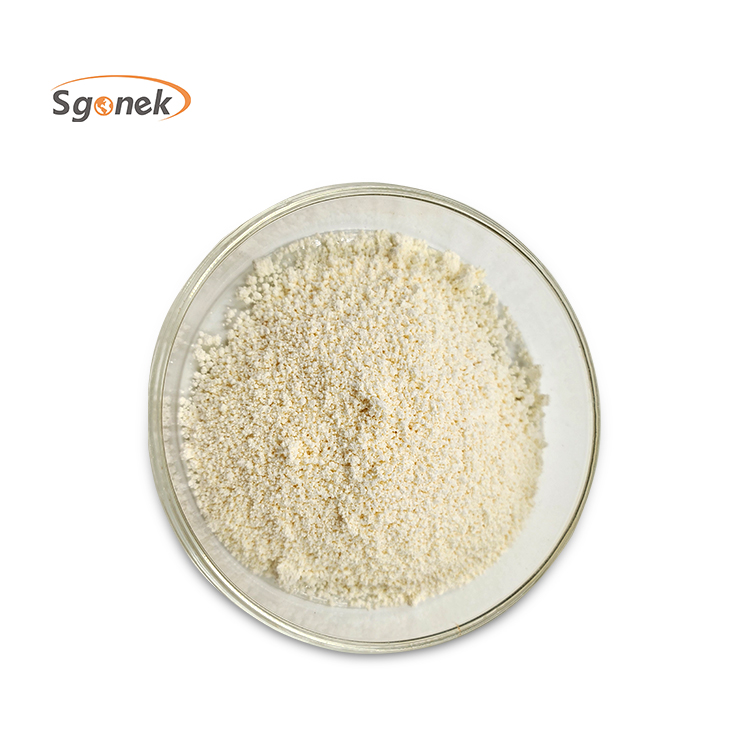
Natural Sunflower Seed Protein is a versatile, plant-based ingredient derived from the defatted meal of sunflower seeds (*Helianthus annuus*) following oil extraction. Unlike many other protein sources, it does not have a single defined molecular formula or a specific CAS number because it is a complex mixture of various proteins, including albumins and globulins, rather than a pure chemical compound. The primary protein fraction typically contains essential amino acids such as lysine, arginine, and methionine, making it a nutritionally complete alternative to animal-derived proteins. This ingredient is renowned for its high digestibility, neutral flavor profile, and excellent functional properties, including solubility, emulsification, and water-binding capacity.
The applications of natural sunflower seed protein are extensive across the food and beverage industries. It serves as a key component in meat analogues, plant-based burgers, and sausages, providing structure and texture that mimics animal muscle tissue. In bakery products, it enhances dough strength and improves shelf life by retaining moisture. Furthermore, it is widely utilized in sports nutrition bars, protein shakes, and dietary supplements due to its hypoallergenic nature and suitability for vegan diets. Its clean-label status makes it particularly attractive to consumers seeking non-GMO and organic options. Additionally, the industry increasingly utilizes this protein in dairy alternatives like plant milks and yogurts to boost protein content without compromising taste. As the global demand for sustainable and ethical food sources grows, natural sunflower seed protein stands out as a crucial resource for manufacturers aiming to reduce environmental footprints while delivering high-quality nutritional value. Its production process is generally more environmentally friendly compared to soy or whey, requiring less water and land. Consequently, it continues to gain traction in developing innovative food solutions that meet both consumer health trends and regulatory standards worldwide.












 (All Rights Reserved)