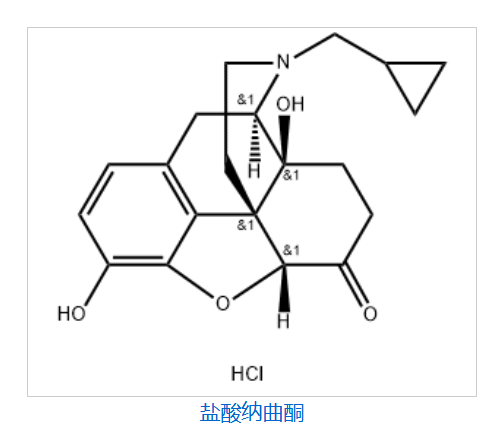
盐酸纳曲酮化学性质熔点:274-2760C储存条件:2-8°C溶解度:H2O:50mg/mL,clear,colorless形态:powder颜色:WhitetoOff-White水溶解性:SolubChemicalbookleinwaterat50mg/ml.敏感性:LightSensitiveMerck:13,6389BRN:3580333CAS数据库:16676-29-2(CASDataBaseReference)
*The following content is generated by AI and is for reference only.
Naltrexone hydrochloride is a potent, orally active opioid antagonist widely utilized in the medical field for the management of substance use disorders. Its molecular formula is C20H23NO4·HCl, and it carries the unique CAS Registry Number 16594-78-6. Structurally derived from oxymorphone, this compound functions by competitively binding to mu-opioid receptors in the central nervous system with high affinity. Unlike agonists such as morphine or heroin, naltrexone does not activate these receptors; instead, it blocks them, thereby preventing exogenous opioids from producing their characteristic euphoric effects or analgesia. This mechanism is pivotal in relapse prevention strategies for individuals recovering from alcohol dependence and opioid addiction. By eliminating the rewarding sensation associated with substance intake, it supports long-term abstinence and behavioral modification programs.
Beyond addiction treatment, naltrexone hydrochloride has shown promise in managing chronic pain conditions and reducing cravings in various neurological contexts. It is available in both immediate-release tablets and extended-release injectable formulations, offering flexibility in patient adherence and treatment duration. The drug is generally well-tolerated, though common side effects may include nausea, headache, dizziness, and fatigue. A critical safety consideration is the requirement for patients to be completely opioid-free for at least seven days prior to initiation to avoid precipitating acute withdrawal symptoms. Furthermore, it is contraindicated in cases of acute opioid withdrawal or severe hepatic impairment. As a non-narcotic medication, it carries no risk of abuse or physical dependence itself, making it a cornerstone therapy in modern pharmacological interventions for recovery. Clinical guidelines continue to endorse its integration into comprehensive rehabilitation protocols, emphasizing its role in restoring quality of life for those struggling with dependency. Ongoing research explores its potential applications in treating other compulsive behaviors, expanding its therapeutic horizon beyond traditional addiction medicine.


![8,16-Diazadispiro[6.1.6.2]heptadecan-17-one](https://eimg.pharmasources.com/image/product/20250403/ca91cba8b87e53fc879f8d8764873a40jpg)


![6,8-Dioxo-5,7-diazaspiro[3.4]octane-2-carboxylic acid](https://eimg.pharmasources.com/image/product/20250403/02effeb5a7639bc84ff1f3add3c0c64fjpg)

![8-Oxa-1,3-diazaspiro[4.5]decane-2,4-dione](https://eimg.pharmasources.com/image/product/20250403/60fa7223d5a34f24138486ceea0ffb15jpg)





 (All Rights Reserved)